

In today’s competitive manufacturing landscape, quality control in injection molding is not just a process requirement—it is a strategic necessity. Injection molding is widely used to produce plastic parts for industries ranging from automotive and electronics to medical devices and consumer goods. Because the process involves high volumes and complex components, ensuring that both the injection molds and the final plastic parts meet strict quality standards is essential for maintaining customer satisfaction, reducing waste, and supporting brand reputation.
Why Quality Control Matters in Injection Molding
Injection molding is a precision-driven process. Even small deviations in mold dimensions, material properties, or process parameters can lead to defective parts. Poorly manufactured components can result in functional failures, assembly issues, and customer dissatisfaction, which can be costly in both financial and reputational terms.
Quality control ensures that each mold and plastic part consistently meets the desired specifications. It involves rigorous inspection at every stage—from mold design and material selection to production and final finishing. By implementing systematic quality control, manufacturers can minimize defects, optimize production efficiency, and demonstrate reliability to customers.
Quality Control in Injection Molds
Injection molds are the cornerstone of the injection molding process, as they directly define the shape, tolerance, and surface finish of the final plastic parts. Quality control of molds includes the following critical aspects:
- Material Inspection: High-grade tool steel or aluminum is typically used to manufacture molds. Inspecting these raw materials for hardness, composition, and uniformity ensures that the mold will withstand repeated high-pressure cycles without deforming or wearing prematurely.
- Precision Machining and Surface Finish: Modern molds are produced using CNC machining, EDM (Electrical Discharge Machining), and grinding processes. Dimensional accuracy must be verified at each stage to guarantee tight tolerances. Surface finishes, especially for cosmetic parts, are also critical for aesthetics and functionality.
- Mold Assembly and Fit Testing: Before production, all mold components—including cores, cavities, ejector pins, and cooling channels—are carefully assembled and tested. Misalignment or improper fit can result in flash, warping, or incomplete filling of the mold.
- Functional Testing: Molds are trialed with test runs to simulate real production conditions. This helps identify issues such as uneven filling, short shots, air traps, or excessive cycle times, allowing adjustments before mass production.
- Maintenance and Longevity: Regular inspections and maintenance of molds are essential. Preventative care reduces the risk of downtime and ensures that molds consistently produce high-quality parts over extended production runs.
Quality Control of Plastic Parts
While molds define the shape of plastic parts, the final product quality depends on careful control of the injection molding process itself. Key quality control measures include:
- Material Verification: Plastics vary widely in properties such as viscosity, strength, and shrinkage. Incoming material inspection ensures that the correct grade and quality are used, reducing the risk of weak or inconsistent parts.
- Process Monitoring: Injection molding machines must be closely monitored for temperature, pressure, injection speed, cooling time, and mold clamping force. Deviations can lead to warping, sink marks, voids, or incomplete filling.
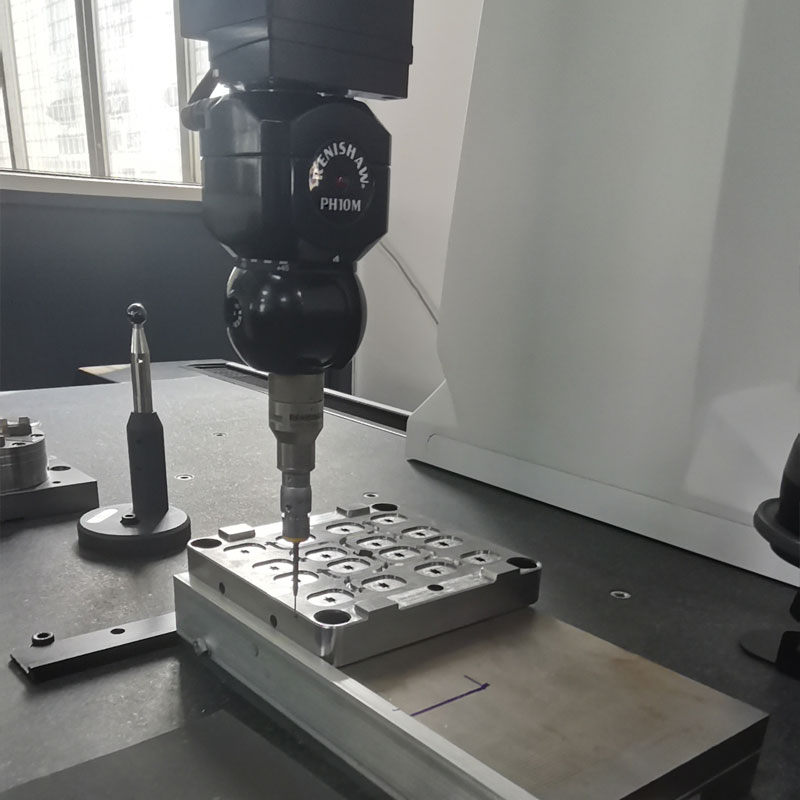
- Dimensional Inspection: Using precision tools such as calipers, micrometers, and Coordinate Measuring Machines (CMM), manufacturers verify that each part meets dimensional specifications. High-volume production often employs automated inspection systems to ensure consistency.
- Surface and Cosmetic Checks: Surface appearance is important in consumer products and electronics. Parts are inspected for blemishes, scratches, or discoloration to maintain aesthetic quality.
- Functional Testing: For parts with mechanical, thermal, or electrical functions, testing ensures that they meet operational requirements. This may include stress testing, assembly checks, or compatibility tests with other components.
The Role of Copper in Injection Molds
Some high-performance molds incorporate copper or copper alloys, particularly in areas where fast heat transfer is required, such as cores, inserts, or thin-walled sections. Copper helps achieve faster cooling, which reduces cycle time and improves part quality by minimizing warping or sink marks. Quality control of copper components includes verification of thermal conductivity, dimensional precision, and compatibility with the surrounding mold materials.
Communicating Quality to Customers
A robust quality control system not only prevents defects but also builds customer confidence. By demonstrating that molds and plastic parts undergo strict inspection at every stage, manufacturers reassure clients that the products they receive are reliable, durable, and consistent. Certifications, inspection reports, and trial samples further strengthen this trust, making customers more likely to form long-term partnerships.
Conclusion
In the injection molding industry, quality control is far more than a technical step—it is the foundation of success. From the precision of the molds to the consistency of plastic parts, every element of production must be closely monitored and verified. Copper components, advanced measurement equipment, and stringent process checks all contribute to superior product quality.
For manufacturers, implementing comprehensive quality control reduces defects, minimizes waste, and enhances operational efficiency. For customers, it translates to high-performance parts, reliable delivery, and a partner they can trust. In a competitive global market, emphasizing quality control in injection molding is a decisive factor that distinguishes exceptional manufacturers from the rest.
Quality
Quality is the life of company. So Cherish it.
Quality creates value
We know reliable quality can help us win the deep trust from customers. Our Quality Assurance department provides customized inspection services to meet each customer’s specific requirements. With the capacity to measure both steel tool components and final plastic parts in depth, the quality of our work is closely monitored and maintained throughout the entire manufacturing and production process. All tools and molded parts are fully-qualified by our QA staff using state-of-the-art inspection equipment. Inspection reporting is available in a variety of formats which can be customized for each unique project.
Our Main QC procedure
- Steel Hardness Inspection
- Steel Dimension Inspection
- Electrodes Inspection
- Parts Dimension Inspection
- Preassembly Inspection
- Trial Report and Samples Inspection
- Shipment Final Inspection
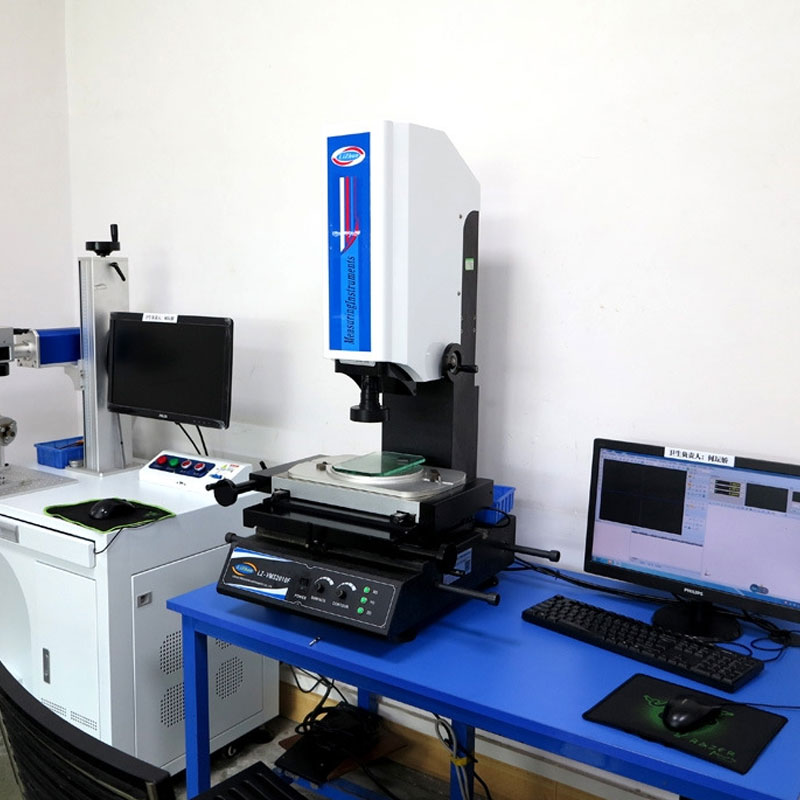
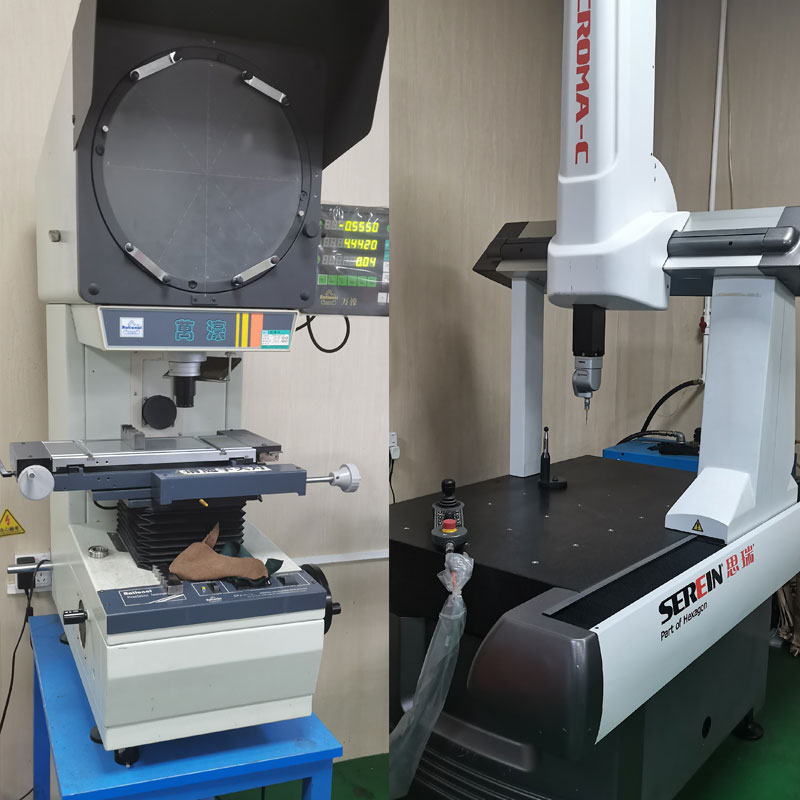
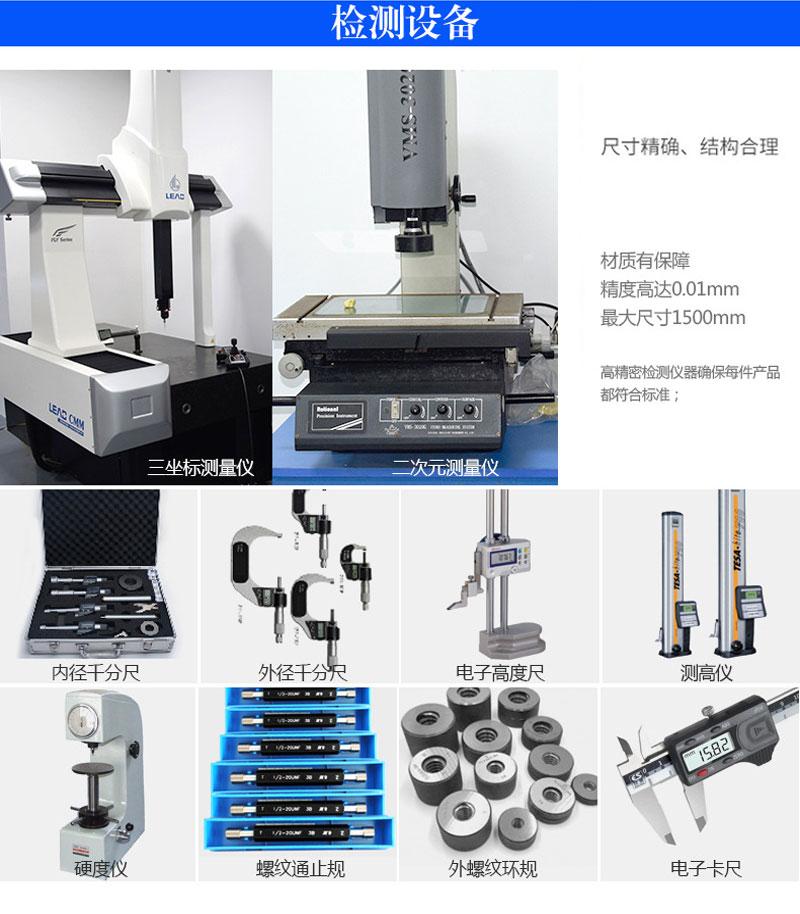
Our Main QC Equipments
- CMM Machine
- Optical Projector
- Electronic Height Gauge
- Electronic Gauge
Photos for Equipments