


ISO-9001-2015 Verified Manufacturer
The Importance of ISO 9001 Certification in Modern Business
ISO 9001 is an internationally recognized standard for quality management systems (QMS) developed by the International Organization for Standardization (ISO). It provides a framework for organizations to consistently deliver products and services that meet customer and regulatory requirements while driving continuous improvement. For businesses across industries, including manufacturing, engineering, Gesundheitswesen, and services, ISO 9001 certification is more than just a badge—it is a demonstration of commitment to quality, efficiency, and customer satisfaction.
1. Ensuring Consistent Quality
One of the primary benefits of ISO 9001 is that it establishes a systematic approach to managing quality. By defining processes, roles, and responsibilities, companies can reduce variability in production and service delivery. This ensures that every product or service meets predefined standards and customer expectations. For manufacturers, such as those producing injection molds or plastic parts, ISO 9001 helps maintain precise tolerances, consistent material quality, and defect-free products. This consistency builds customer trust and strengthens the company’s reputation in competitive markets.
2. Improving Operational Efficiency
ISO 9001 emphasizes process optimization, documentation, and monitoring of key performance indicators. By standardizing procedures, companies can eliminate inefficiencies, reduce waste, and improve resource utilization. Employees understand their roles and responsibilities clearly, which minimizes errors and miscommunication. For organizations operating in complex manufacturing environments, this leads to faster production cycles, better inventory management, and reduced operational costs. In addition, process improvements driven by ISO 9001 standards often result in smoother workflow and higher productivity.
3. Enhancing Customer Satisfaction
At its core, ISO 9001 is customer-focused. By identifying customer requirements, monitoring feedback, and addressing complaints systematically, organizations can enhance satisfaction and loyalty. A certified QMS ensures that customer expectations are consistently met and that corrective actions are implemented whenever issues arise. For industries where precision and reliability are critical, such as medical devices, automotive parts, or electronics, ISO 9001 demonstrates to clients that the company prioritizes quality, accountability, and responsiveness.
4. Facilitating Risk Management
ISO 9001 helps organizations proactively identify and mitigate risks that could affect product quality or service delivery. Through structured internal audits, regular reviews, and monitoring of processes, companies can detect potential problems before they escalate. This proactive approach reduces the likelihood of product recalls, defects, or service failures, protecting both the company’s reputation and its financial stability. Risk management under ISO 9001 also strengthens compliance with legal and regulatory requirements, which is especially critical in heavily regulated industries.
5. Supporting Continuous Improvement
A key principle of ISO 9001 is the philosophy of continuous improvement. Organizations are encouraged to measure performance, analyze data, and implement changes that enhance efficiency, quality, and customer satisfaction. This ongoing refinement ensures that the company remains competitive, adaptable, and innovative. Employees are also engaged in improvement initiatives, fostering a culture of accountability, problem-solving, and teamwork. Over time, continuous improvement helps the organization achieve operational excellence while maintaining high standards of product and service quality.
6. Increasing Market Competitiveness
ISO 9001 certification is often a prerequisite for doing business with large corporations, government agencies, and international clients. Being certified signals reliability, professionalism, and a commitment to quality management, which can open doors to new markets and partnerships. Companies with ISO 9001 certification are frequently preferred over non-certified competitors because the standard provides assurance that processes are robust, risks are managed, and customer expectations are consistently met.
Conclusion
In today’s competitive and quality-driven business environment, ISO 9001 certification is not just a technical requirement—it is a strategic asset. It ensures consistent quality, improves operational efficiency, enhances customer satisfaction, facilitates risk management, fosters continuous improvement, and increases market competitiveness. By implementing ISO 9001, companies demonstrate a commitment to excellence, accountability, and long-term success. For any organization aiming to build trust, optimize performance, and maintain a sustainable competitive edge, ISO 9001 is an indispensable tool.
-
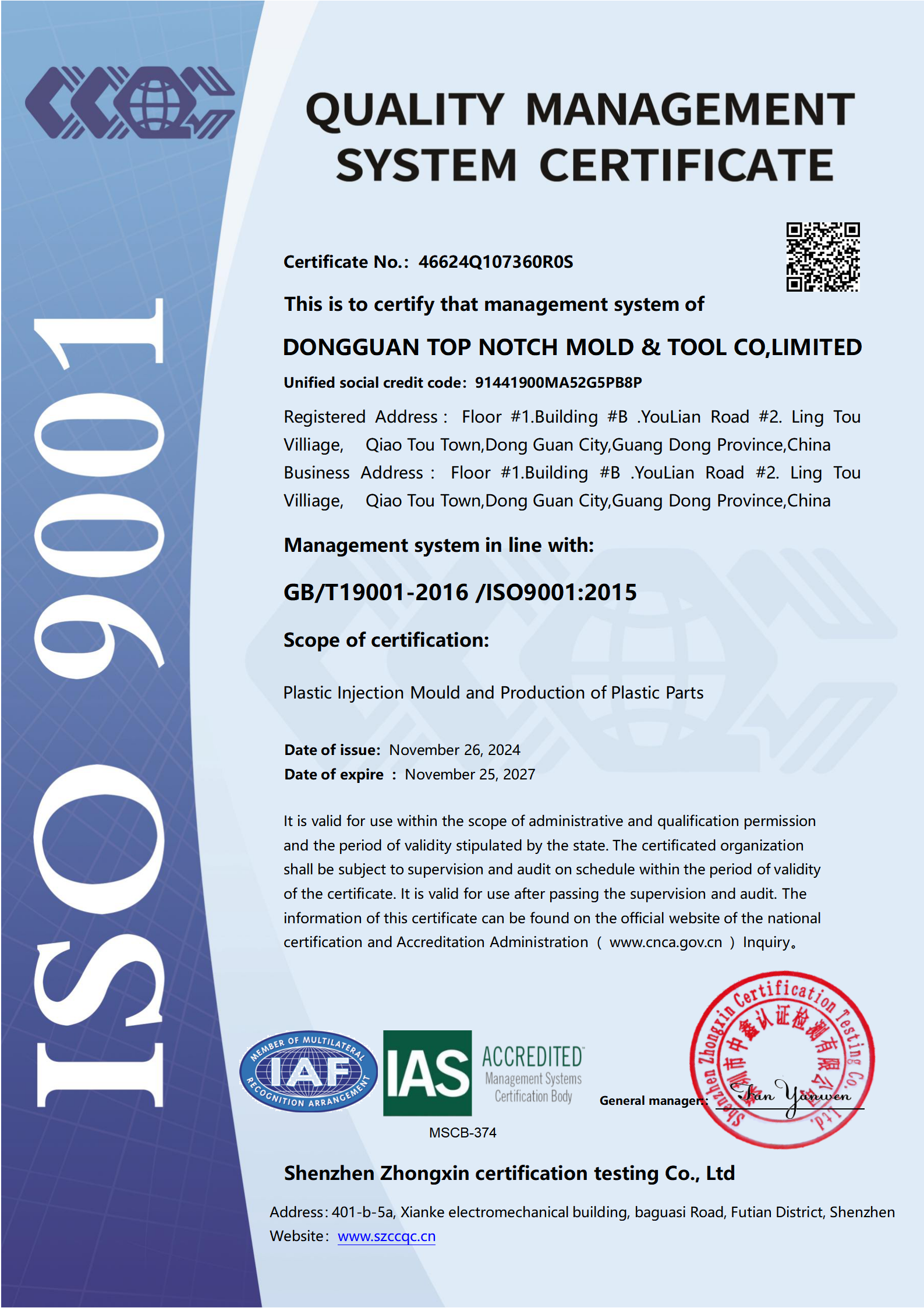
- ISO ENGLISCH
-
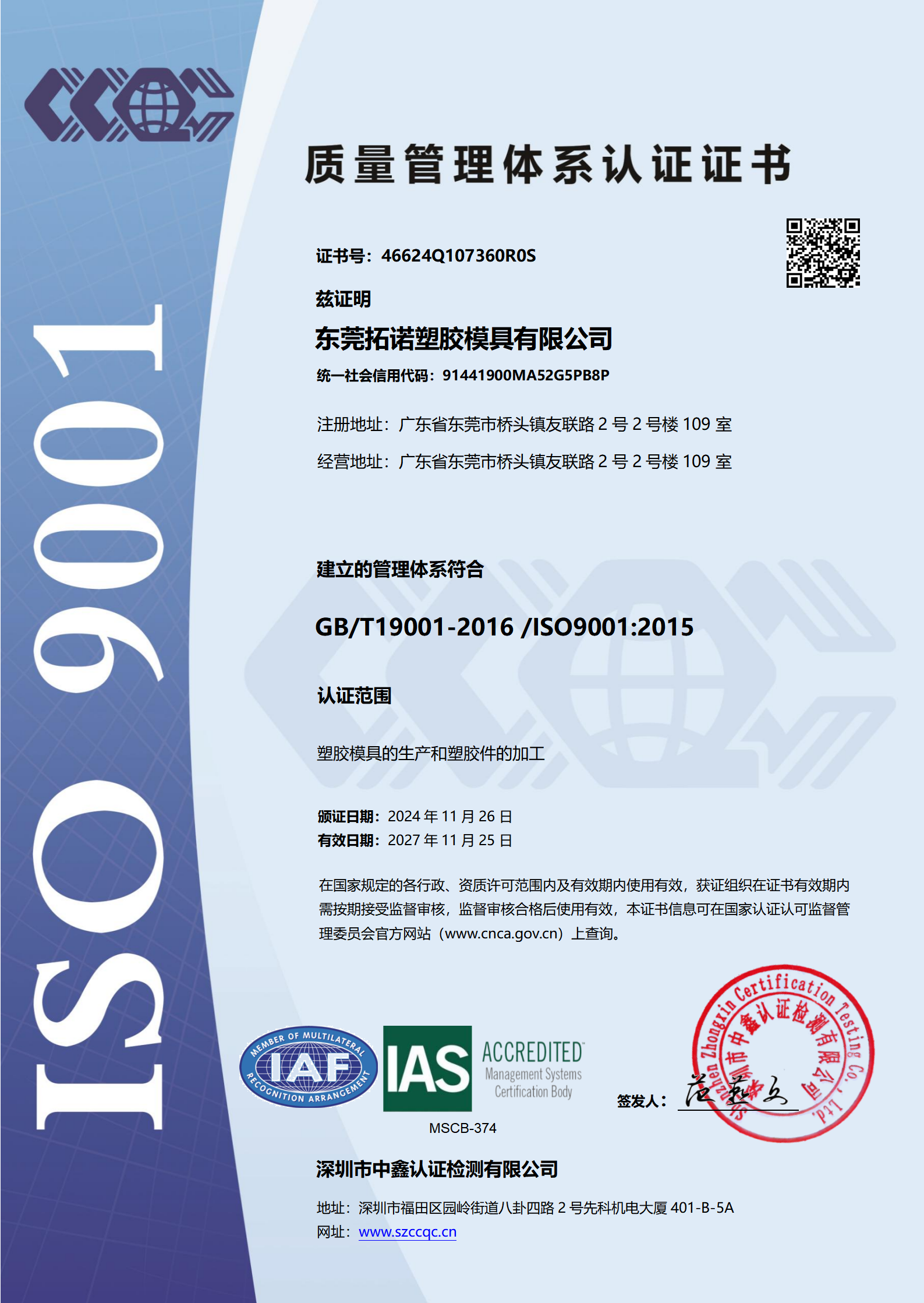
- ISO-CHINESISCH