
WhatsApp/Wechat:86-138-2878-1334


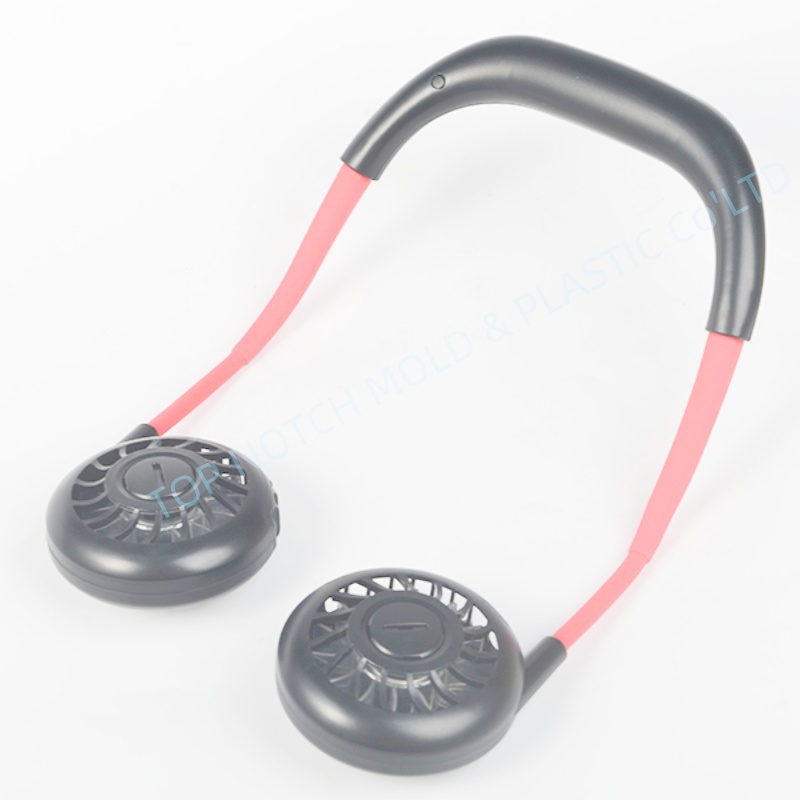
Plastic Injection Mold for Neckband Headphones
Mold Description
|
Nombre
|
Plastic Injecition Mold |
| Mould Material | P20,NAK80,SKD11,S316,S50C,S45C,718H,718 ,1.2344, Per customer's requirement |
| Mould base | LKM, HASCO, DME or Per customer's requirement |
| Type of plastic mold | 3-plate mold,2-plate mold |
| Cavity | Single/Multi cavity ,1*1,1+1,1*2,1+1+1,etc |
| Gate Position | Fan gate,Sub gate,Pin Point gate,Hot Runner Valve Gate,Open Nozzel |
| Ejection system | Stripper plate,Lifter,Push Bar,Ejection Pin etc |
| Runner | Hot/cold type |
| Plastic Resin Material | ABS+PC,HDPE, PP, nylon, PEEK, LDPE, ABS, styrene, acrylic, acetal, PE, PTFE, PEI, and PES |
| Mould life | 300,000-500,000-1,000,000 shots |
| Lead time | 25-35 days after deposit received/and mold design is approved by customer |
| Specification | Follow the 3D final drawing |
| Packaging details |
Covering with film for anti rust and packed with wooden Case
|
Parts Production Details
| Product Material | ABS,AS,PP,PPS,PC,PE,POM,PMMA,PS,HDPE,TPE,TPU etc |
| Surface finish | Polishing finish,Texture Finish,Glossy Finish,Pintura,Slik print,Rubber Painting etc |
| MOQ | 500 PCS |
| Packaging details | Carton box or wooden Case upon product weight and customer's requirements. |
| Shipping | By sea ,by train ,or by air as customer requirement |
| Export Country | Janpan,Europe,USA,Mexico,Australia,Middle East,Korea,Asia etc |
| Typical Used For | Housings, containers, caps, fittings,including as below Power-tool housing, Disposable razors, Electrical Switches,Crates/Recycling boxesAutomotive dash boards,Television Cabinets,Drug Inhalation Units,Automotive bumpers,Wheelie bins ,Syringes,Telephone handsets ,Washing-up bowls,DVDs,Bottle Lids/closures,Battery Casings |
| Range of markets | consumer electronics,industrial products, , food processing, aviation, seals/gaskets, lighting, packaging, filter,healthcare, telecommunications, mechanical, water treatment, appliance, recreation,lawn and garden, educational, oil and gas, government, construction,plumbing, surveillance, pumps, marine, motors, gears, RFID tags, electronics,and fasteners. |
- Description
Plastic Injection Mold for Neckband Headphones: Precision Manufacturing for Modern Audio Devices
Neckband headphones have rapidly gained popularity due to their ergonomic design, portability, and superior audio performance. These wearable audio devices require precise and durable components that not only ensure comfort for the user but also support complex electronic assemblies. Among the manufacturing techniques employed, plastic injection molding stands out as an efficient and high-precision method for producing the intricate plastic components essential to neckband headphones.
Understanding Plastic Injection Molding for Neckband Headphones
Plastic injection molding is a manufacturing process in which molten thermoplastic material is injected into a mold cavity, cooled, and solidified to form precise and repeatable parts. This technique enables the creation of highly detailed and complex geometries that are essential for consumer electronics like neckband headphones.
The process typically involves selecting appropriate thermoplastic materials, designing the mold to accommodate complex shapes, and employing precise injection parameters to achieve consistent quality. Common plastics used in headphone manufacturing include ABS (Acrylonitrile Butadiene Styrene), PC (Polycarbonate), PA (Nylon), and TPE (Thermoplastic Elastomer). These materials are chosen for their strength, flexibility, durability, and aesthetic finish.
Applications of Plastic Components in Neckband Headphones
Plastic injection molding is widely used to manufacture several components of neckband headphones:
- Neckband Frame
- The main structural part of the headphone, designed to rest comfortably around the user’s neck.
- Must be lightweight, durable, and flexible to accommodate different neck sizes without compromising comfort.
- Housing for Electronics
- Encases the battery, Bluetooth modules, amplifiers, and other electronics.
- Requires precision molding to ensure proper alignment of internal components and to prevent damage during assembly or use.
- Earbud Connectors and Cable Guides
- Provides routing and protection for wires connecting the earbuds to the neckband.
- Requires smooth surface finishing to prevent wear on wires and cables.
- Button and Switch Panels
- Molded parts for volume controls, power buttons, or multifunction switches.
- Demands precise tolerances to ensure tactile feedback and functionality.
- Decorative and Ergonomic Features
- Surface textures, logos, or rubberized grips are often integrated directly during the molding process using inserts or overmolding techniques.
Advantages of Plastic Injection Molding for Neckband Headphones
- High Precision and Repeatability
- Injection molding ensures consistent dimensions, which is critical for tight-fitting electronic components and assembly accuracy.
- Reduces errors and defects in high-volume production.
- Design Flexibility
- Allows for the production of complex shapes, undercuts, and integrated features that would be difficult or costly with traditional manufacturing methods.
- Enables ergonomic designs that enhance comfort and usability.
- Material Versatility
- Various plastics can be combined or overmolded to provide desired mechanical properties, such as rigidity, flexibility, or softness.
- Overmolding TPE on ABS or PC provides soft-touch surfaces and enhanced grip.
- Efficient Mass Production
- Once molds are fabricated, high-volume production of identical parts is achievable with minimal waste.
- Reduces per-unit costs and allows competitive pricing in the consumer electronics market.
- Integrated Features
- Injection molding allows functional and aesthetic elements—such as clips, channels for wires, or logo embossing—to be integrated directly into the part, minimizing the need for secondary operations.
Key Considerations in Mold Design for Neckband Headphones
Producing high-quality molded components for neckband headphones requires careful attention to mold design, material selection, and processing parameters:
- Ergonomics and Flexibility
- The neckband must flex without cracking or permanently deforming.
- Mold design often includes uniform wall thickness and optimized ribs to balance strength and flexibility.
- Precision for Electronics Housing
- Internal cavities must align perfectly with electronic components, battery holders, and connectors.
- Tight tolerances are essential to prevent malfunction or loose assembly.
- Surface Finish and Aesthetics
- Smooth or textured surfaces contribute to comfort, grip, and the overall appearance of the product.
- Mold polishing and inserts can create glossy or matte finishes as required.
- Cooling and Cycle Time Optimization
- Proper placement of cooling channels ensures consistent part dimensions and reduces warpage.
- Efficient cooling improves production speed and reduces defects.
- Overmolding and Multi-Material Integration
- Many neckband designs combine hard plastics with soft-touch TPE for comfort and aesthetic appeal.
- Mold design must accommodate multiple material injections without compromising structural integrity.
Quality Control and Testing
Quality control is essential in the production of neckband headphone components. Manufacturers employ dimensional inspection, visual inspection, and functional testing to ensure that each part meets design specifications. Key checks include:
- Wall thickness uniformity and absence of warping.
- Alignment and fit of electronic housings and button panels.
- Surface finish consistency and defect-free aesthetics.
- Mechanical performance of flexible neckband sections under repeated bending.
Advanced facilities may also use CMM (Coordinate Measuring Machines) and optical scanning systems to verify dimensional accuracy for critical components.
Trends in Injection Molding for Neckband Headphones
The consumer electronics industry is constantly evolving, and injection molding technology has adapted to meet these demands:
- Miniaturization
- Molded parts are becoming smaller and more precise to accommodate compact electronics.
- Overmolding and Soft-Touch Surfaces
- Overmolding TPE over ABS or PC creates comfortable, ergonomic designs while protecting wires and electronics.
- Sustainable Materials
- Recycled plastics and bio-based materials are being used to reduce environmental impact.
- Smart Mold Design
- Incorporating quick-change inserts and modular molds reduces downtime and allows rapid prototyping of new designs.
Conclusion
Plastic injection molding is a critical manufacturing method for neckband headphones, enabling the production of precise, durable, and aesthetically appealing components. From structural frames and electronic housings to flexible cable guides and soft-touch surfaces, molded plastic parts are essential for comfort, functionality, and design innovation.
By leveraging high-precision molds, advanced materials, and modern production techniques, manufacturers can produce high-quality components that meet the stringent demands of today’s consumer electronics market. With the continued growth of wearable audio devices, plastic injection molding remains a cornerstone of neckband headphone production, ensuring performance, reliability, and competitive advantage in a rapidly evolving industry.
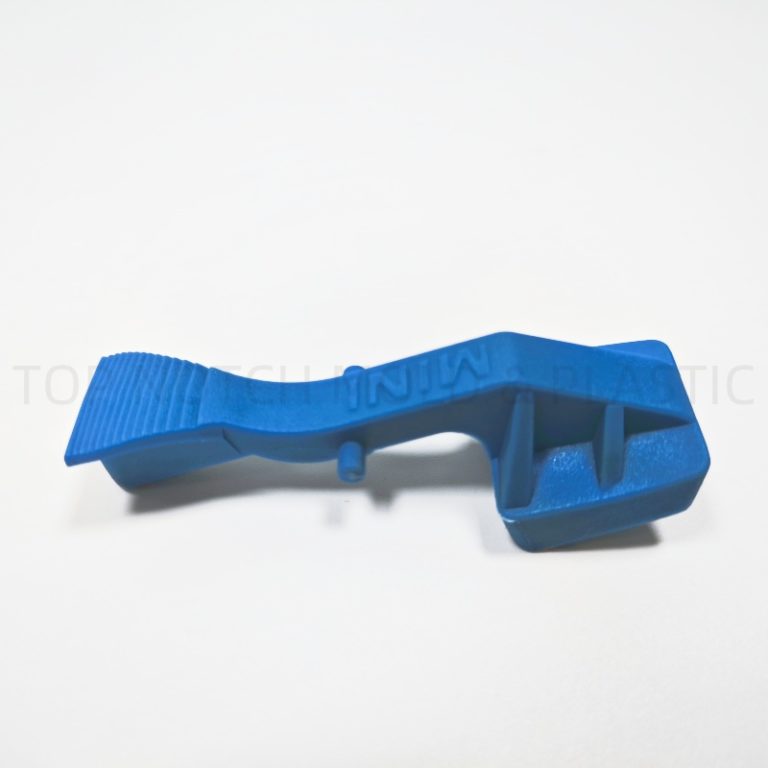
Fotos de piezas de plástico, Consumer Electronic plastic injection molding, neckband headphones injection mold, neckband earphones plastic mold, neckband earbuds, neck bluetooth headset molds, plastic mold, plastic injection mold
SEND INQUIRY
Related Products
© 2025 www.tpi-mould.com. All rights reserved by Top Notch Mold & Tool Co'Ltd
Funciona con Wpboss