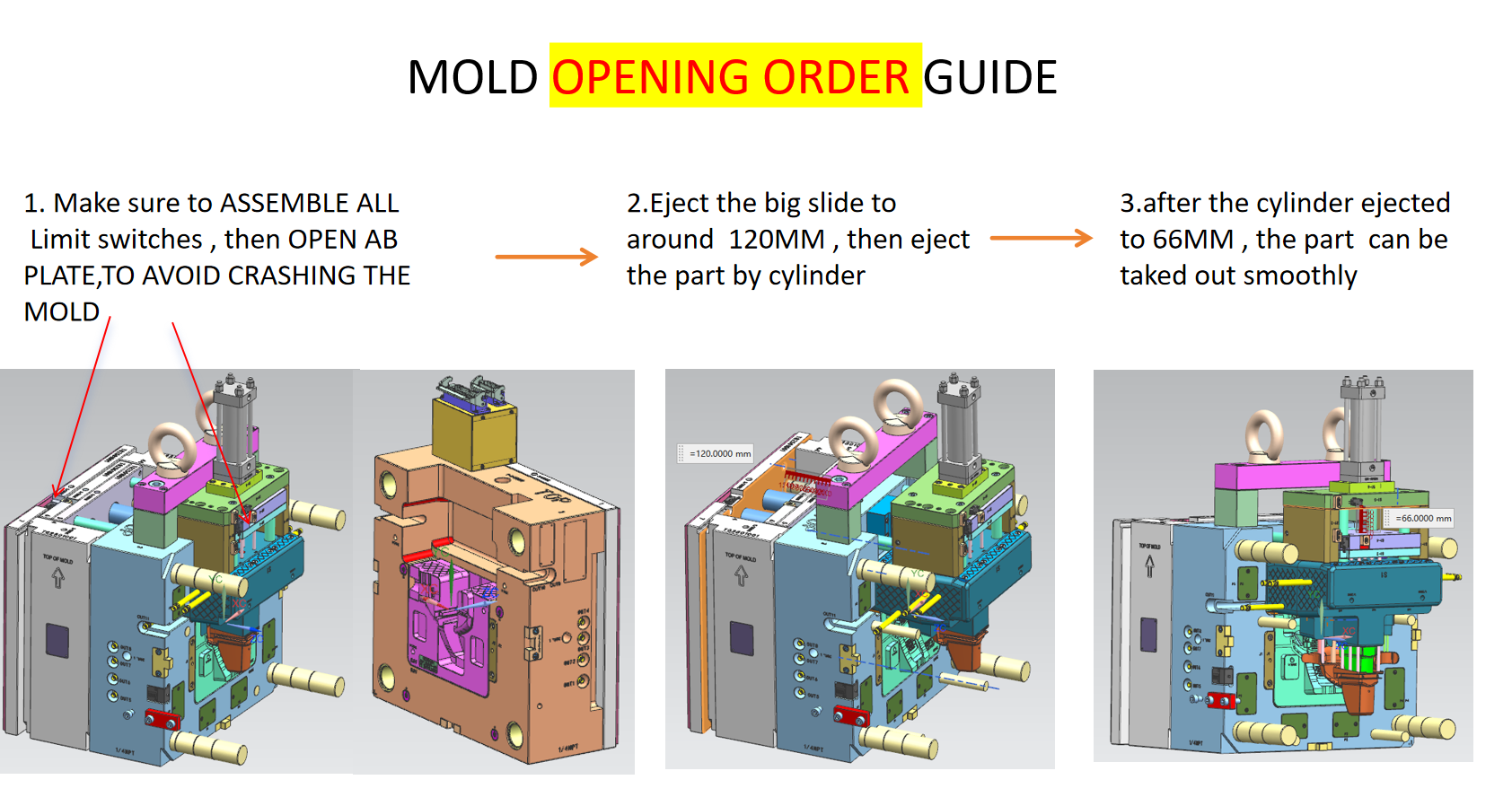
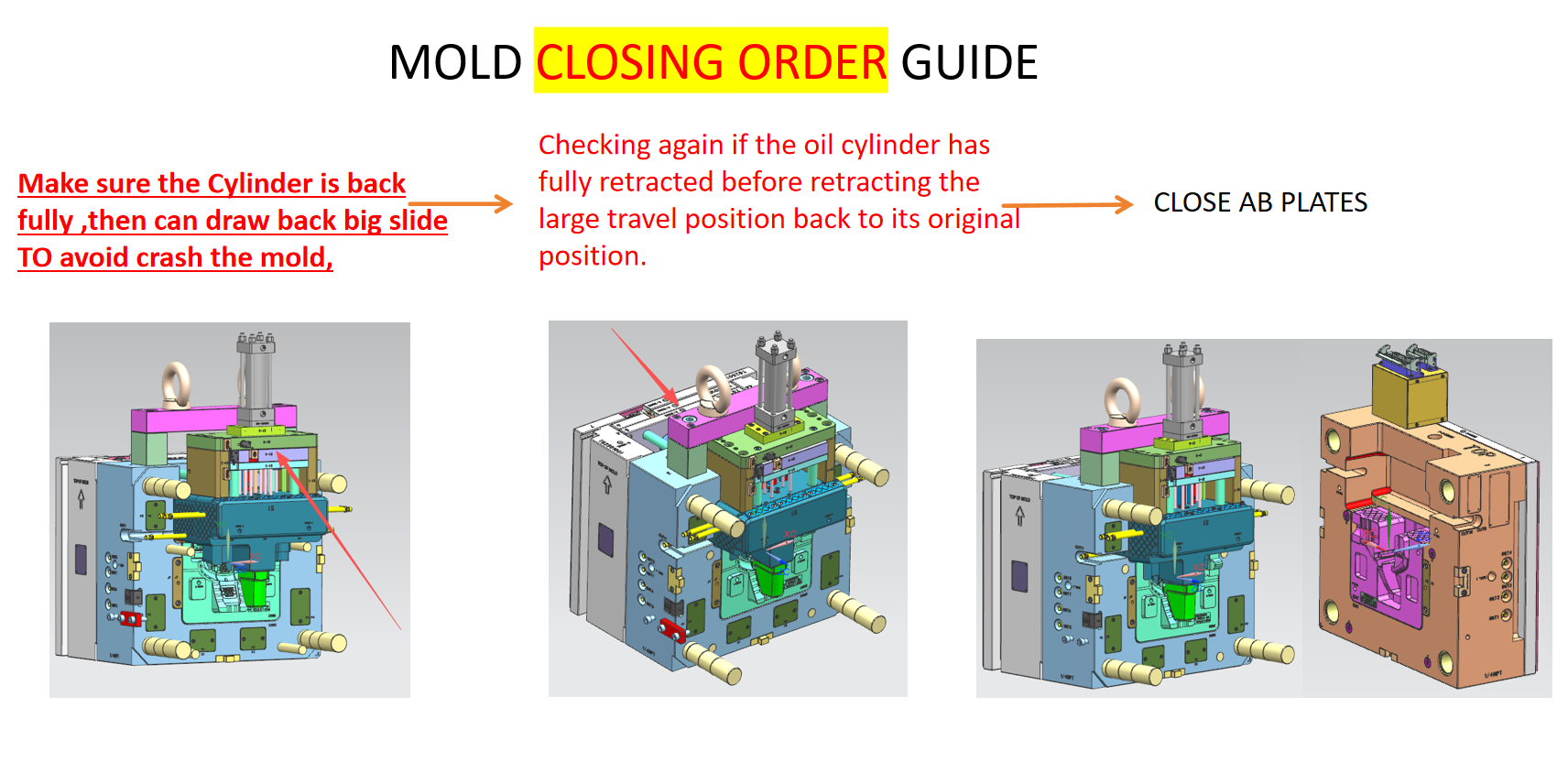
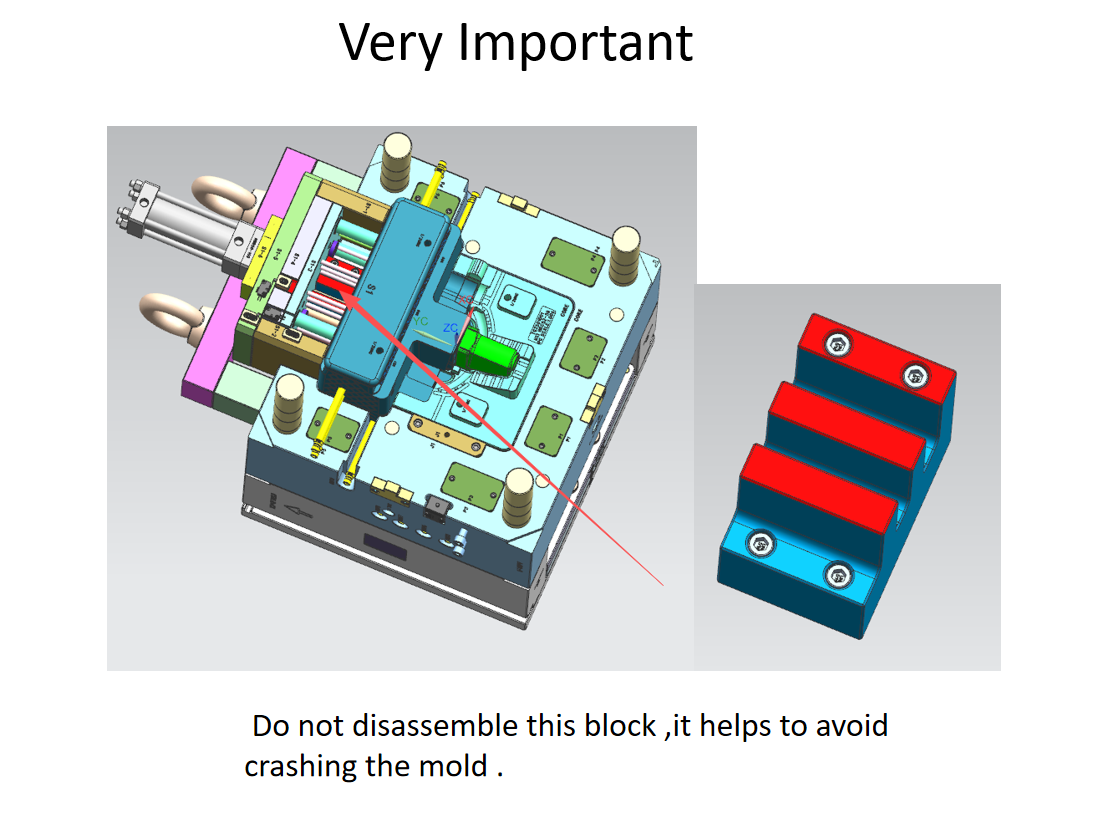
The Critical Role of Safety Devices in Injection Mold: Protecting Tools, Machines, and Operators
Injection molding is one of the most widely used manufacturing processes for producing plastic parts with high precision and efficiency. From automotive components to consumer electronics, medical devices, and household goods, the versatility and speed of injection molding make it indispensable in modern industry. However, the process involves high-pressure systems, moving components, and heated materials, all of which can pose serious risks if not properly controlled. One crucial aspect of maintaining safe, efficient, and reliable injection molding operations is the use of safety devices within the mold design. Properly engineered safety features protect the mold itself, the machine, and, most importantly, the operators.
To appreciate the importance of safety devices, it is necessary to understand the common risks in injection molding. The injection mold consists of multiple moving parts, including:
- Cylinders and hydraulic or pneumatic actuators – which control slides, Elevadores, and ejectors.
- Slides and lifters – which move under high force to form undercuts or complex geometries.
- Ejection systems – which push the molded parts out of the mold cavity.
Improper movement or failure of any of these components can lead to:
- Damage to the mold – such as broken cores, cavities, or inserts.
- Downtime in production – resulting from repairs and tool replacement.
- Injury to operators – from moving parts or flying debris.
These risks make the integration of safety devices in mold design essential.
2. Cylinder Safety Devices: Preventing Drop-Offs and Misalignment
Hydraulic or pneumatic cylinders are widely used in injection molds to drive slides, Elevadores, or other movable components. While they are robust and precise, cylinders can fail if over-extended, misaligned, or if internal components degrade over time. A common hazard is the cylinder dropping off its mount, which can cause severe damage to the mold and potential injury.
Safety design solutions include:
- Cylinder stroke limits: Mechanical stops or limiters ensure the cylinder cannot extend beyond a safe range. These devices physically prevent the piston rod from overextending, eliminating the risk of it colliding with other mold components or detaching.
- Mounting safety features: Proper brackets, locking pins, and anti-fall devices secure the cylinder to the mold frame. In case of unexpected pressure loss, the cylinder remains safely in position.
- Pressure relief valves: Integrated into the hydraulic system, these valves prevent over-pressurization, which could otherwise force the cylinder beyond its safe operating range.
By implementing these safety measures, mold designers ensure that cylinders operate within defined boundaries, preserving tool integrity and preventing accidents.
3. Slide Safety Devices: Avoiding Collisions with Cavity or Core
Slides are crucial for forming complex part geometries such as undercuts, threads, or angled features. However, uncontrolled slide movement is a common source of mold damage. A slide moving too far can collide with the mold cavity or core, causing breakage.
Key safety measures for slides include:
- Mechanical slide limits: These are hard stops built into the mold to restrict slide travel. Even if hydraulic or pneumatic control fails, the slide cannot move beyond a predefined safe range.
- Sensors and interlocks: Modern molds often integrate proximity sensors or micro-switches to detect slide position. These sensors can stop the molding cycle if the slide moves outside its intended range, preventing collision damage.
- Guiding systems: Precision guide rails and bushings ensure the slide moves smoothly and predictably, minimizing the risk of skewed motion or binding.
By incorporating these safety devices, the mold can maintain consistent operation without risking damage to the expensive mold cavity and core.
4. Ejection System Safety: Protecting Parts and Mold
The ejection system is responsible for removing molded parts from the cavity. Most molds use ejector pins, sleeves, or plates actuated by hydraulic, pneumatic, or mechanical means. Despite their simple function, ejection systems are prone to damage if not properly constrained.
Safety considerations include:
- Ejector stroke limits: Excessive ejection stroke can bend or break pins, damage the part, or even deform the mold face. Mechanical stops or limiters ensure the ejector cannot travel beyond its safe stroke.
- Balanced actuation: Uneven actuation of ejector pins can lead to high local stresses, causing pins to shear or the part to jam. Synchronization devices, such as tie bars or guide plates, maintain uniform movement.
- Shock absorption and cushioning: Some molds include elastomer or spring buffers to absorb sudden shocks during ejection. This reduces the stress on both the pins and the mold structure.
With these safety features, the ejection system operates reliably, maintaining mold longevity and preventing costly downtime.
5. Benefits of Safety Devices in Injection Molds
The incorporation of safety devices provides numerous advantages, both tangible and intangible, including:
- Enhanced mold longevity: Properly constrained cylinders, slides, and ejectors reduce wear and prevent breakage, extending the life of the mold.
- Reduced downtime and repair costs: Avoiding mold damage means less unplanned maintenance, fewer production interruptions, and lower repair costs.
- Improved operator safety: Mechanical stops, sensors, and interlocks protect operators from accidental injuries due to moving parts.
- Consistent part quality: Damage to slides or ejectors often results in part defects. Safety devices help maintain repeatable, high-quality production.
- Compliance with safety standards: Many industries mandate the use of safety features in molds to meet regulatory requirements for workplace safety and quality control.
6. Case Examples
Cylinder over-extension: In one reported case, a hydraulic cylinder without a mechanical limiter extended too far, striking the mold frame. The impact caused a broken core insert and two days of production downtime. Installing stroke limiters and pressure relief valves eliminated the risk.
Slide collision: A mold with a complex undercut used slides without mechanical stops. A hydraulic control failure drove a slide into the cavity, breaking the core and ejector pins. After redesign, mechanical stops and position sensors were added, preventing recurrence.
Ejector pin failure: In high-volume production of consumer electronics, an unprotected ejector plate over-traveled due to uneven pressure, bending several pins. Adding stroke limiters and cushioning springs ensured smooth, safe operation.
These examples highlight the real-world necessity of integrating safety devices in injection molds.
7. Designing Safety Devices: Best Practices
When designing safety features for injection molds, several principles should be followed:
- Identify all movable components: List cylinders, slides, Elevadores, and ejectors that could cause damage if uncontrolled.
- Define safe travel ranges: Determine maximum allowable stroke, angle, or displacement for each component.
- Use mechanical limits where possible: Hard stops and brackets provide fail-safe protection independent of the control system.
- Incorporate sensors and interlocks: Electronic monitoring adds an extra layer of protection and enables automated shutdown in case of deviation.
- Test and validate: Simulate failures and verify that all safety features function correctly before production starts.
- Document safety measures: Provide clear instructions and schematics for operators and maintenance personnel.
8. Conclusion
Safety devices in injection molds are not optional—they are essential for protecting the mold, the machine, and the operators. Cylinders with stroke limits prevent accidental drop-offs, slides with mechanical stops avoid collisions with the cavity or core, and properly constrained ejection systems prevent breakage. Implementing these safety features ensures consistent production quality, reduces downtime, and safeguards personnel.
As injection molding technology evolves and molds become more complex, the role of integrated safety devices becomes even more critical. Forward-thinking manufacturers who prioritize safety in mold design not only protect their investment but also enhance productivity, maintain compliance, and foster a safer working environment. In a competitive industry where precision and reliability are paramount, well-designed safety devices are a hallmark of excellence.