
WhatsApp/Wechat:86-138-2878-1334


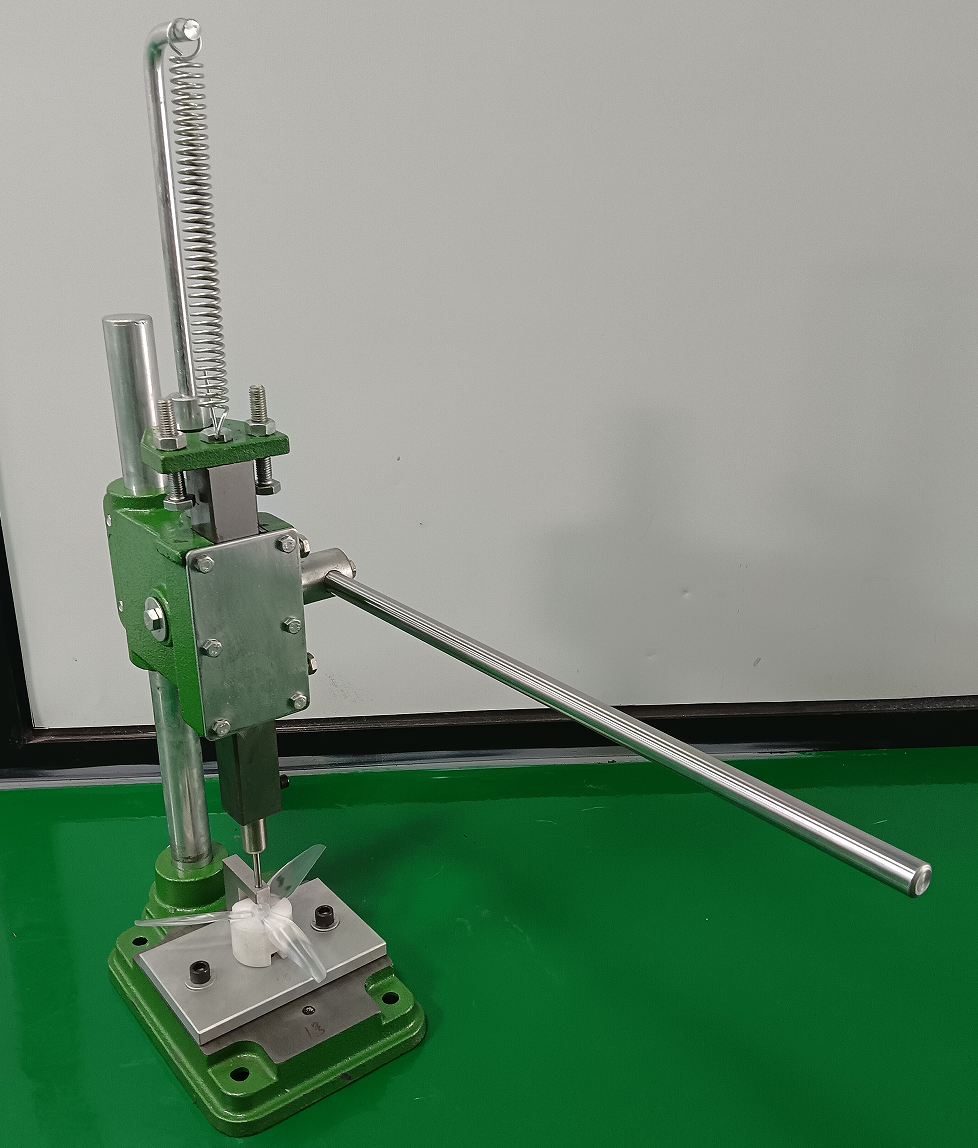
Gate Cutting Fixture for Plastic Injection Molding
Plastic injection molding is one of the most widely used manufacturing processes for producing high-volume, high-precision plastic parts. From automotive components to consumer electronics and medical devices, injection molding allows the creation of complex geometries with consistent quality. A critical step in the process is the removal of the gate—the small portion of plastic connecting the part to the runner system of the mold. To improve efficiency, precision, and safety in this step, manufacturers utilize gate cutting fixtures. This article explains what gate cutting fixtures are, their purpose, components, applications, and advantages in plastic injection molding.
1. What is a Gate Cutting Fixture?
A gate cutting fixture is a specialized tool or device used to accurately and efficiently remove the gate from molded plastic parts after the injection molding process. In injection molding, molten plastic flows into the mold cavity through a runner system, entering via the gate, which forms a small attachment point on the part. Once the part has cooled and been ejected from the mold, the gate remains attached and must be removed to meet quality, aesthetic, and functional standards.
While manual cutting is possible, it can be time-consuming, inconsistent, and prone to errors, especially for high-volume production. A gate cutting fixture ensures consistent removal with minimal damage to the part, reduces labor costs, and improves production efficiency.
2. Why Gate Cutting Fixtures are Important
Gate cutting is a critical step in injection molding for several reasons:
- Precision and Consistency: A gate cutting fixture ensures that gates are removed accurately without leaving burrs, rough edges, or deformation. This is particularly important for cosmetic parts like housings, covers, and medical devices.
- Reduced Labor and Increased Efficiency: Manual gate cutting is labor-intensive. Fixtures standardize the process, allowing operators to work faster and produce more parts in less time.
- Safety: Cutting gates manually with knives or saws can be dangerous. A fixture secures the part, reducing the risk of injury.
- Quality Assurance: Improperly removed gates can affect part assembly, functionality, or surface appearance. Using a fixture ensures uniformity and reduces the likelihood of defective products.
- Cost Savings: By minimizing rework, damage, and labor, gate cutting fixtures contribute to overall cost reduction in high-volume production.
3. Components of a Gate Cutting Fixture
Gate cutting fixtures can vary depending on the part design, production volume, and type of gate, but most share several key components:
3.1 Base Plate or Frame
The base provides a stable platform to hold the plastic part during cutting. It is designed to withstand repeated use and maintain alignment of the part.
3.2 Part Holding Mechanism
Clamps, vises, or custom inserts are used to securely hold the part in place. This prevents movement during cutting, ensuring precision and safety.
3.3 Cutting Guide
The cutting guide directs the blade, knife, or rotary tool to the exact gate location. For parts with multiple gates or complex geometries, the guide ensures accurate alignment each time.
3.4 Cutting Tool
Depending on the material and gate type, the cutting tool can be a blade, rotary cutter, saw, or specialized cutting mechanism. For high-volume automated setups, pneumatic or electric cutters are often integrated.
3.5 Adjustment Features
Some fixtures have adjustable components to accommodate different part sizes or gate locations, making them versatile for multiple products.
3.6 Safety Guards
Safety shields and protective covers prevent operator injury during cutting, particularly when using powered tools.
4. Types of Gate Cutting Fixtures
Gate cutting fixtures can be designed for different applications:
- Manual Fixtures: Operators position the part, align it with the cutting guide, and remove the gate manually using a hand tool or blade.
- Semi-Automatic Fixtures: Pneumatic or mechanical cutting tools assist the operator, reducing effort and increasing precision.
- Fully Automatic Fixtures: Part of automated production lines, these fixtures cut gates using programmed machines or robotic systems without manual intervention, suitable for high-volume manufacturing.
The choice of fixture depends on production scale, part complexity, and desired precision.
5. Applications in Plastic Injection Molding
Gate cutting fixtures are used in various industries where injection-molded plastic parts are produced:
- Automotive: Removing gates from dashboards, panels, or small interior components.
- Consumer Electronics: Cutting gates from housings, buttons, and enclosures with high cosmetic requirements.
- Medical Devices: Gate removal from syringes, diagnostic components, and housings while maintaining strict tolerances and surface quality.
- Consumer Products: Toys, household items, and pet products with multiple gates or intricate features.
- Industrial Equipment: Mechanical parts and housings where precision is critical for assembly.
6. Advantages of Using Gate Cutting Fixtures
- Improved Efficiency: Reduces the time needed to remove gates compared to manual cutting.
- Consistency: Ensures uniform gate removal, preventing part defects.
- Enhanced Safety: Minimizes risk of operator injury during the cutting process.
- Versatility: Adjustable fixtures can handle multiple part designs, reducing tooling changes.
- Cost-Effectiveness: Reduces labor, scrap, and rework, improving overall manufacturing profitability.
- Quality Control: Helps maintain the dimensional integrity and surface finish of critical parts.
7. Conclusion
In injection molding, gate removal is a critical post-processing step that directly affects product quality, aesthetics, and functionality. Gate cutting fixtures provide a reliable, precise, and efficient way to remove gates from molded parts, enhancing production efficiency and reducing labor costs. By incorporating holding mechanisms, cutting guides, adjustable features, and safety guards, these fixtures ensure consistent gate removal for parts ranging from automotive components and medical devices to consumer electronics and household products.
As manufacturers continue to demand higher precision, faster production, and lower costs, gate cutting fixtures play a crucial role in modern plastic injection molding. They ensure that every part meets quality standards, reduces waste, and maintains operator safety, making them an essential component of any professional injection molding operation.
Inquiry- Description
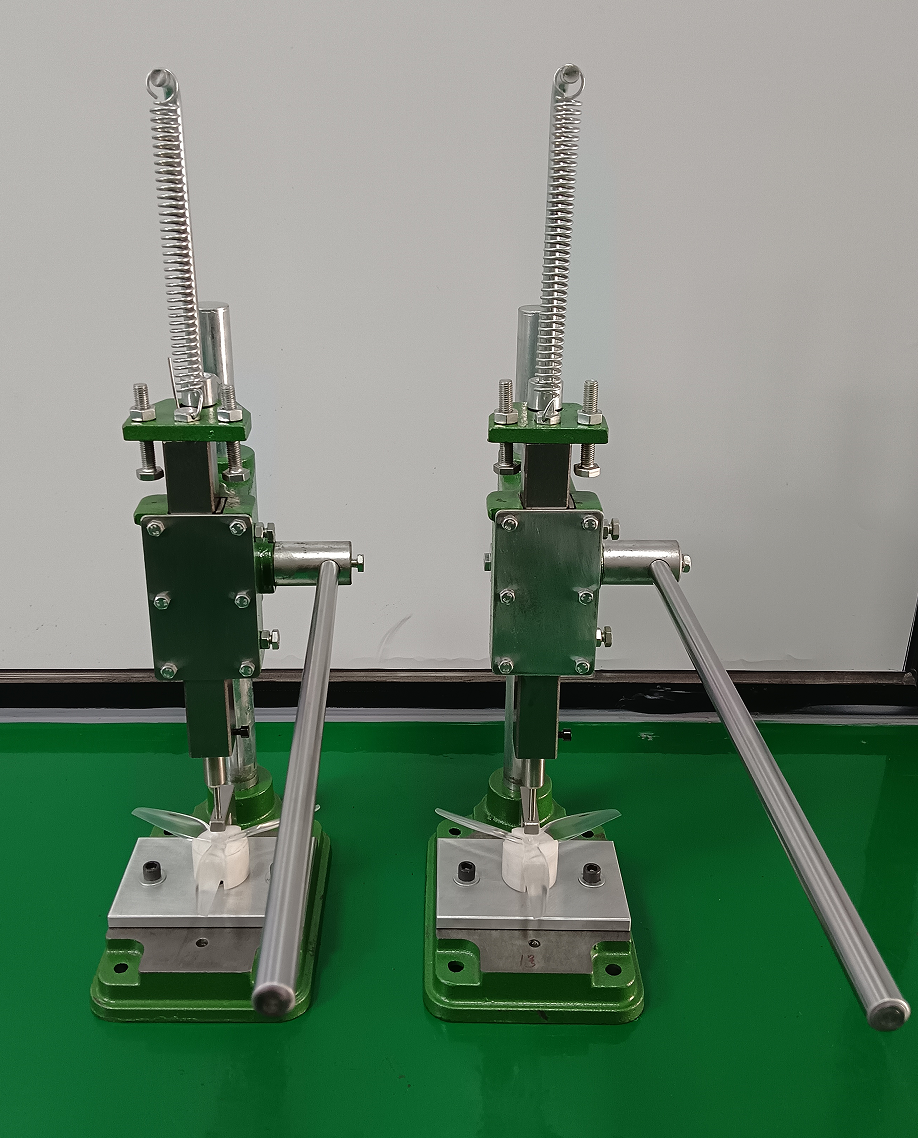
Gate Cutting Fixture for Plastic Injection Molding
Plastic injection molding is one of the most widely used manufacturing processes for producing high-volume, high-precision plastic parts. From automotive components to consumer electronics and medical devices, injection molding allows the creation of complex geometries with consistent quality. A critical step in the process is the removal of the gate—the small portion of plastic connecting the part to the runner system of the mold. To improve efficiency, precision, and safety in this step, manufacturers utilize gate cutting fixtures. This article explains what gate cutting fixtures are, their purpose, components, applications, and advantages in plastic injection molding.
1. What is a Gate Cutting Fixture?
A gate cutting fixture is a specialized tool or device used to accurately and efficiently remove the gate from molded plastic parts after the injection molding process. In injection molding, molten plastic flows into the mold cavity through a runner system, entering via the gate, which forms a small attachment point on the part. Once the part has cooled and been ejected from the mold, the gate remains attached and must be removed to meet quality, aesthetic, and functional standards.
While manual cutting is possible, it can be time-consuming, inconsistent, and prone to errors, especially for high-volume production. A gate cutting fixture ensures consistent removal with minimal damage to the part, reduces labor costs, and improves production efficiency.
2. Why Gate Cutting Fixtures are Important
Gate cutting is a critical step in injection molding for several reasons:
- Precision and Consistency: A gate cutting fixture ensures that gates are removed accurately without leaving burrs, rough edges, or deformation. This is particularly important for cosmetic parts like housings, covers, and medical devices.
- Reduced Labor and Increased Efficiency: Manual gate cutting is labor-intensive. Fixtures standardize the process, allowing operators to work faster and produce more parts in less time.
- Safety: Cutting gates manually with knives or saws can be dangerous. A fixture secures the part, reducing the risk of injury.
- Quality Assurance: Improperly removed gates can affect part assembly, functionality, or surface appearance. Using a fixture ensures uniformity and reduces the likelihood of defective products.
- Cost Savings: By minimizing rework, damage, and labor, gate cutting fixtures contribute to overall cost reduction in high-volume production.
3. Components of a Gate Cutting Fixture
Gate cutting fixtures can vary depending on the part design, production volume, and type of gate, but most share several key components:
3.1 Base Plate or Frame
The base provides a stable platform to hold the plastic part during cutting. It is designed to withstand repeated use and maintain alignment of the part.
3.2 Part Holding Mechanism
Clamps, vises, or custom inserts are used to securely hold the part in place. This prevents movement during cutting, ensuring precision and safety.
3.3 Cutting Guide
The cutting guide directs the blade, knife, or rotary tool to the exact gate location. For parts with multiple gates or complex geometries, the guide ensures accurate alignment each time.
3.4 Cutting Tool
Depending on the material and gate type, the cutting tool can be a blade, rotary cutter, saw, or specialized cutting mechanism. For high-volume automated setups, pneumatic or electric cutters are often integrated.
3.5 Adjustment Features
Some fixtures have adjustable components to accommodate different part sizes or gate locations, making them versatile for multiple products.
3.6 Safety Guards
Safety shields and protective covers prevent operator injury during cutting, particularly when using powered tools.
4. Types of Gate Cutting Fixtures
Gate cutting fixtures can be designed for different applications:
- Manual Fixtures: Operators position the part, align it with the cutting guide, and remove the gate manually using a hand tool or blade.
- Semi-Automatic Fixtures: Pneumatic or mechanical cutting tools assist the operator, reducing effort and increasing precision.
- Fully Automatic Fixtures: Part of automated production lines, these fixtures cut gates using programmed machines or robotic systems without manual intervention, suitable for high-volume manufacturing.
The choice of fixture depends on production scale, part complexity, and desired precision.
5. Applications in Plastic Injection Molding
Gate cutting fixtures are used in various industries where injection-molded plastic parts are produced:
- Automotive: Removing gates from dashboards, panels, or small interior components.
- Consumer Electronics: Cutting gates from housings, buttons, and enclosures with high cosmetic requirements.
- Medical Devices: Gate removal from syringes, diagnostic components, and housings while maintaining strict tolerances and surface quality.
- Consumer Products: Toys, household items, and pet products with multiple gates or intricate features.
- Industrial Equipment: Mechanical parts and housings where precision is critical for assembly.
6. Advantages of Using Gate Cutting Fixtures
- Improved Efficiency: Reduces the time needed to remove gates compared to manual cutting.
- Consistency: Ensures uniform gate removal, preventing part defects.
- Enhanced Safety: Minimizes risk of operator injury during the cutting process.
- Versatility: Adjustable fixtures can handle multiple part designs, reducing tooling changes.
- Cost-Effectiveness: Reduces labor, scrap, and rework, improving overall manufacturing profitability.
- Quality Control: Helps maintain the dimensional integrity and surface finish of critical parts.
7. Conclusion
In injection molding, gate removal is a critical post-processing step that directly affects product quality, aesthetics, and functionality. Gate cutting fixtures provide a reliable, precise, and efficient way to remove gates from molded parts, enhancing production efficiency and reducing labor costs. By incorporating holding mechanisms, cutting guides, adjustable features, and safety guards, these fixtures ensure consistent gate removal for parts ranging from automotive components and medical devices to consumer electronics and household products.
As manufacturers continue to demand higher precision, faster production, and lower costs, gate cutting fixtures play a crucial role in modern plastic injection molding. They ensure that every part meets quality standards, reduces waste, and maintains operator safety, making them an essential component of any professional injection molding operation.
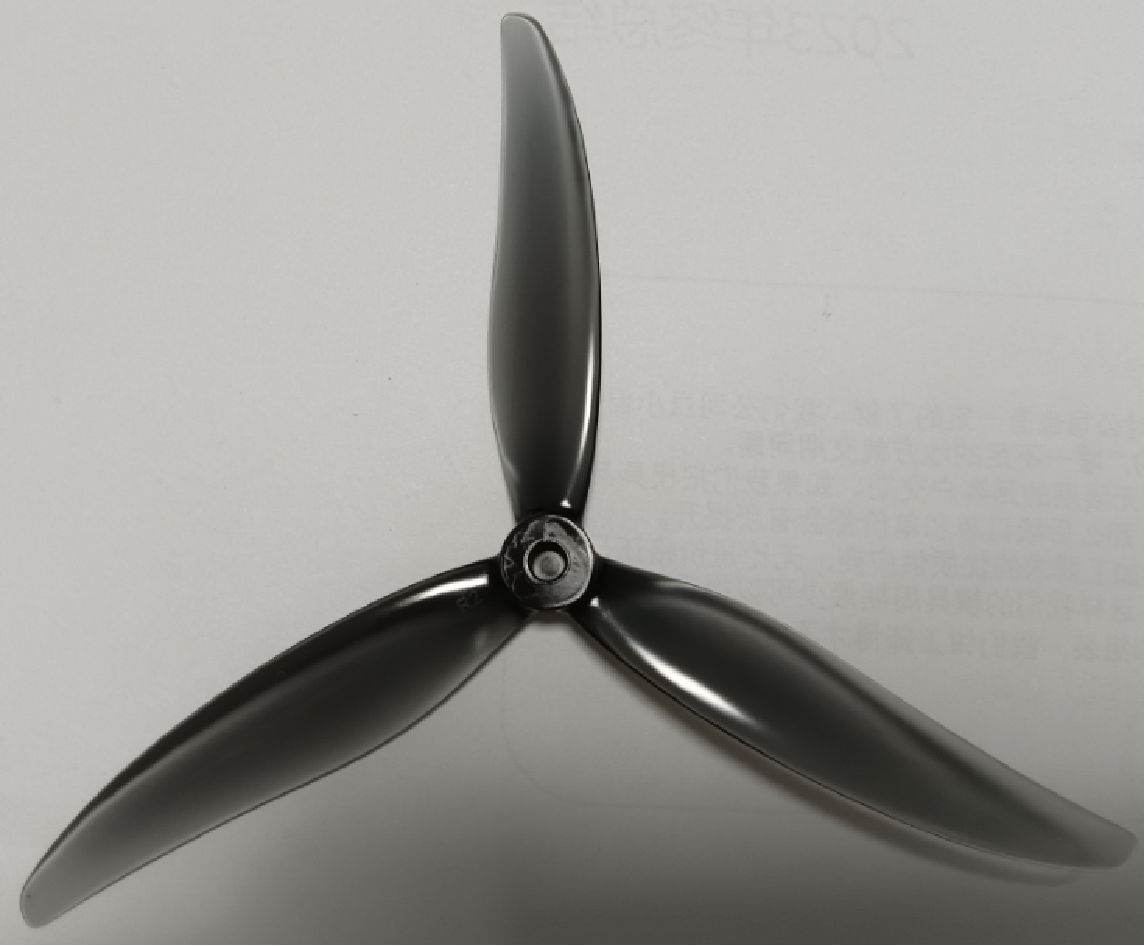
Gate Cutting Fixture
SEND INQUIRY
Related Products
© 2025 www.tpi-mould.com. All rights reserved by Top Notch Mold & Tool Co'Ltd
Powered by Wpboss