
WhatsApp/Wechat:86-138-2878-1334


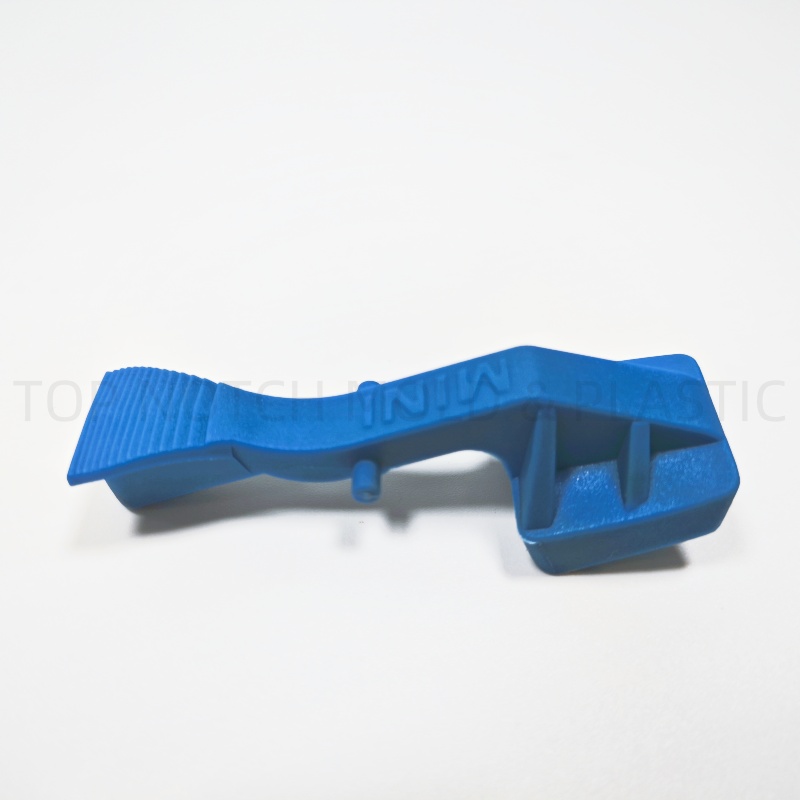
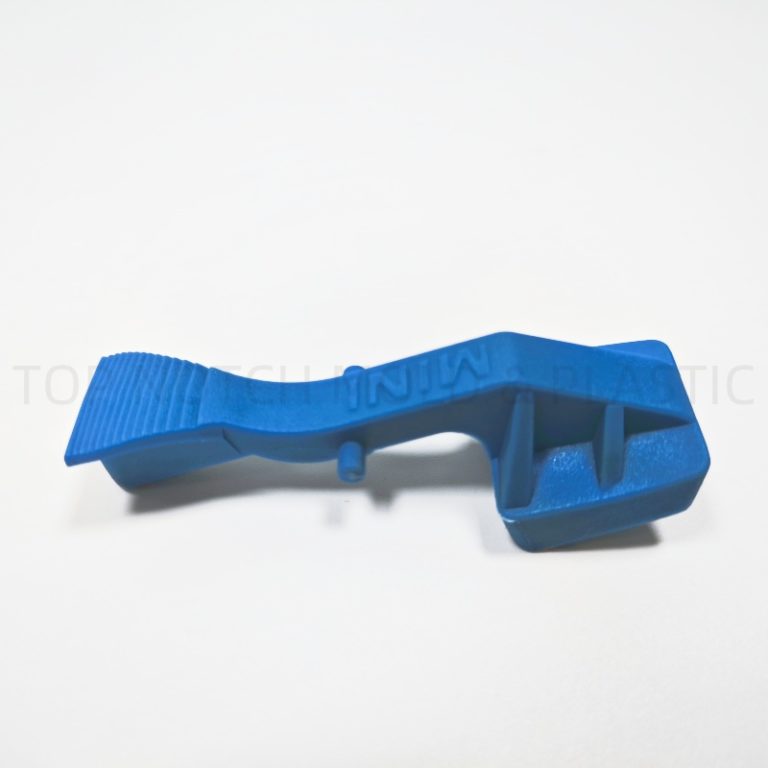
Plastic Industrial Parts in Injection Mold
Mold Description
|
Name
|
Plastic Injecition Mold |
| Mould Material | P20,NAK80,SKD11,S316,S50C,S45C,718H,718 ,1.2344, Per customer's requirement |
| Mould base | LKM, HASCO, DME or Per customer's requirement |
| Type of plastic mold | 3-plate mold,2-plate mold |
| Cavity | Single/Multi cavity ,1*1,1+1,1*2,1+1+1,etc |
| Gate Position | Fan gate,Sub gate,Pin Point gate,Hot Runner Valve Gate,Open Nozzel |
| Ejection system | Stripper plate,Lifter,Push Bar,Ejection Pin etc |
| Runner | Hot/cold type |
| Plastic Resin Material | ABS+PC,HDPE, PP, nylon, PEEK, LDPE, ABS, styrene, acrylic, acetal, PE, PTFE, PEI, and PES |
| Mould life | 300,000-500,000-1,000,000 shots |
| Lead time | 25-35 days after deposit received/and mold design is approved by customer |
| Specification | Follow the 3D final drawing |
| Packaging details |
Covering with film for anti rust and packed with wooden Case
|
Parts Production Details
| Product Material | ABS,AS,PP,PPS,PC,PE,POM,PMMA,PS,HDPE,TPE,TPU etc |
| Surface finish | Polishing finish,Texture Finish,Glossy Finish,Painting,Slik print,Rubber Painting etc |
| MOQ | 500 PCS |
| Packaging details | Carton box or wooden Case upon product weight and customer's requirements. |
| Shipping | By sea ,by train ,or by air as customer requirement |
| Export Country | Janpan,Europe,USA,Mexico,Australia,Middle East,Korea,Asia etc |
| Typical Used For | Housings, containers, caps, fittings,including as below Power-tool housing, Disposable razors, Electrical Switches,Crates/Recycling boxesAutomotive dash boards,Television Cabinets,Drug Inhalation Units,Automotive bumpers,Wheelie bins ,Syringes,Telephone handsets ,Washing-up bowls,DVDs,Bottle Lids/closures,Battery Casings |
| Range of markets | consumer electronics,industrial products, , food processing, aviation, seals/gaskets, lighting, packaging, filter,healthcare, telecommunications, mechanical, water treatment, appliance, recreation,lawn and garden, educational, oil and gas, government, construction,plumbing, surveillance, pumps, marine, motors, gears, RFID tags, electronics,and fasteners. |
- Description
Plastic Industrial Parts in Injection Mold: Precision, Efficiency, and Versatility
In today’s industrial landscape, plastic components play a pivotal role in the manufacturing and operational processes across various sectors, ranging from automotive and electronics to machinery and consumer goods. Among the techniques used to manufacture these components, plastic injection molding stands out as a highly efficient, precise, and cost-effective solution. The process of producing plastic industrial parts through injection molding has revolutionized modern manufacturing, enabling complex designs, rapid production cycles, and consistent quality.
Understanding Plastic Injection Molding
Plastic injection molding is a manufacturing process where molten plastic is injected into a pre-designed mold cavity under high pressure. Once the plastic cools and solidifies, it takes the shape of the mold, resulting in a precise and repeatable part. This technique allows manufacturers to produce highly intricate designs, which would be challenging or impossible with other manufacturing methods.
The process begins with the selection of suitable thermoplastic materials. Common plastics used in industrial parts include ABS, polypropylene (PP), polyethylene (PE), polycarbonate (PC), and nylon (PA). Each material offers unique properties such as strength, chemical resistance, heat tolerance, and flexibility, allowing engineers to choose the optimal material for the intended application.
Applications of Plastic Industrial Parts
Plastic industrial parts produced via injection molding have a wide range of applications. In the automotive industry, molded components are used in dashboards, housings, connectors, clips, and other interior and exterior elements. These parts contribute to reducing vehicle weight, which enhances fuel efficiency while maintaining durability.
In electrical and electronic industries, injection-molded plastic parts are used for connectors, casings, switches, and insulating components. The precision offered by injection molding ensures that each part meets strict tolerances, which is critical for the safety and functionality of electrical systems.
The machinery and industrial equipment sector also relies heavily on injection-molded parts, including gears, brackets, handles, and housings. These components must withstand mechanical stress, temperature variations, and chemical exposure, making the selection of appropriate plastics and molds crucial.
Advantages of Using Injection Molding for Industrial Parts
- High Precision and Repeatability: One of the greatest advantages of injection molding is its ability to produce parts with tight tolerances consistently. This precision is essential in industrial applications where exact fit and function are critical.
- Efficient Mass Production: Injection molding is ideal for producing large quantities of parts with minimal waste. Once a mold is created, hundreds or thousands of identical parts can be manufactured in a short period, making it cost-effective for medium to high-volume production runs.
- Design Flexibility: Injection molding allows for the creation of complex geometries, including hollow structures, undercuts, threads, and intricate surface textures. This flexibility enables engineers to design parts that meet specific functional and aesthetic requirements.
- Material Versatility: With a wide range of thermoplastics available, manufacturers can select materials tailored to their specific industrial needs, whether for durability, flexibility, chemical resistance, or thermal performance.
- Reduced Post-Processing: Most injection-molded parts require minimal finishing, as the process can produce components with smooth surfaces, integrated features, and consistent dimensions. This reduces labor and additional processing costs.
Key Considerations in Manufacturing Industrial Parts
Successful production of plastic industrial parts requires careful planning and attention to detail. Mold design is a critical factor, as it directly impacts part quality, production efficiency, and cost. Molds must be designed to allow smooth plastic flow, minimize defects, and enable efficient cooling cycles. Advanced mold-making techniques, including CNC machining and precision steel fabrication, ensure durability and accuracy.
Another important consideration is quality control. Industrial parts often operate in demanding environments, so manufacturers implement rigorous inspection protocols, including dimensional checks, surface inspections, and mechanical testing. Modern facilities also utilize CMM (Coordinate Measuring Machines) and automated vision systems to maintain high standards consistently.
Sustainability in Injection Molding
The plastic industry faces growing pressure to adopt sustainable practices, and injection molding is no exception. Many manufacturers now incorporate recycled materials, optimize material usage, and reduce energy consumption in the molding process. Innovations in biodegradable plastics and eco-friendly compounds also support the creation of industrial parts with a lower environmental footprint.
Conclusion
Plastic industrial parts produced through injection molding combine precision, durability, and versatility, making them indispensable across multiple sectors. The process allows for high-volume production of complex components while maintaining tight tolerances and consistent quality. With advances in materials, mold design, and automation, injection molding continues to be the go-to method for industrial part manufacturing, offering manufacturers efficiency, cost-effectiveness, and flexibility.
As industries continue to evolve and demand more innovative solutions, plastic injection molding remains at the forefront, delivering industrial parts that are not only functional and reliable but also capable of meeting the rigorous standards of modern engineering. Investing in high-quality injection-molded industrial parts ensures performance, longevity, and competitiveness in an increasingly demanding global market.
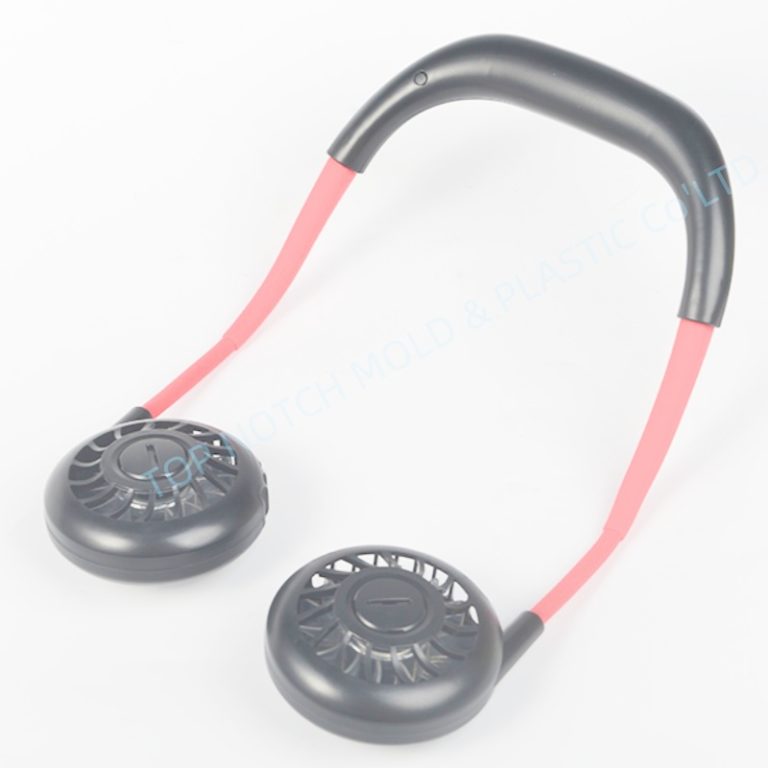
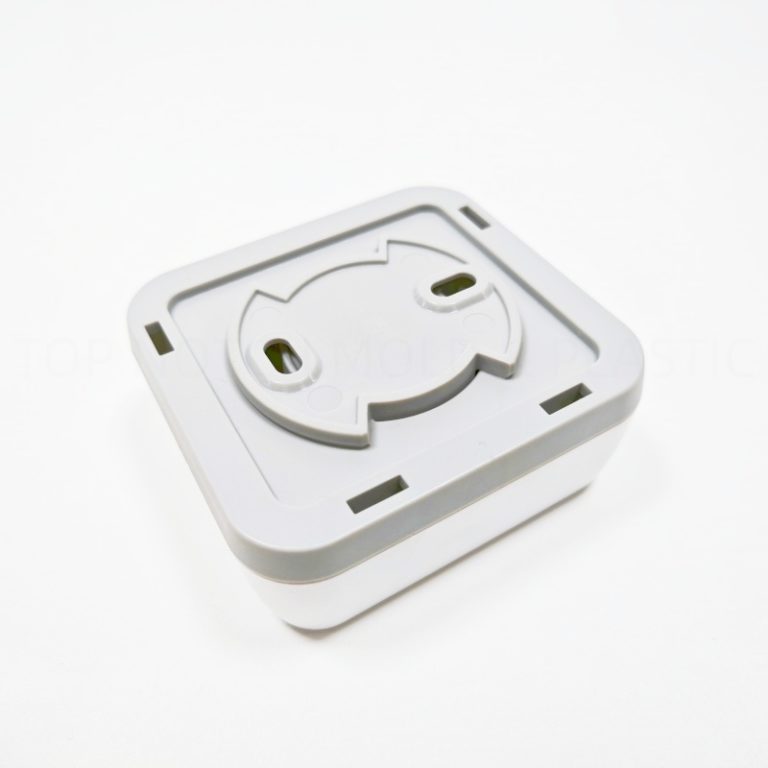
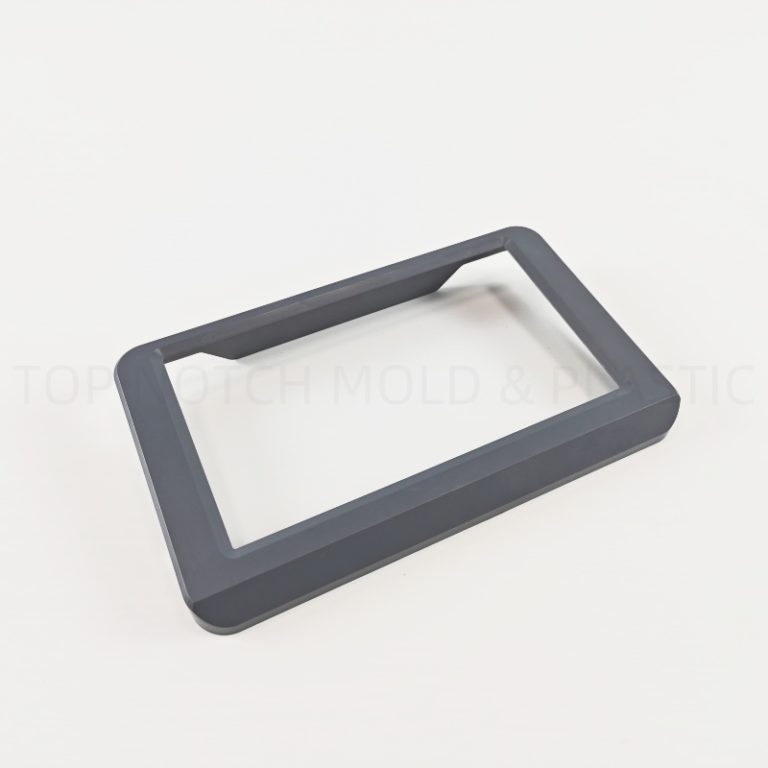
Plastic Parts Photos, Industrial Products plastic injection molding, neckband headphones injection mold, neckband earphones plastic mold, neckband earbuds, neck bluetooth headset molds, plastic mold, plastic injection mold
SEND INQUIRY
Related Products
© 2025 www.tpi-mould.com. All rights reserved by Top Notch Mold & Tool Co'Ltd
Powered by Wpboss