Детали для обработки с ЧПУ: Precision Manufacturing for Plastics and Metals
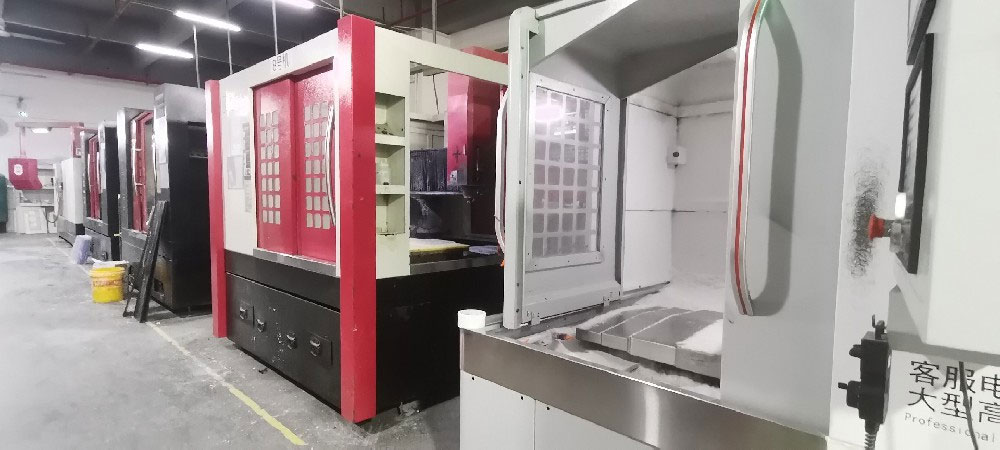
CNC machining has become an indispensable process in modern manufacturing, offering unmatched precision, flexibility, and efficiency. Both plastic and metal components can be manufactured through CNC machining, enabling industries to produce complex parts with tight tolerances and high-quality finishes. This article explores CNC machining of plastic and metal parts, common materials used, and the applications that make this technology essential across industries.
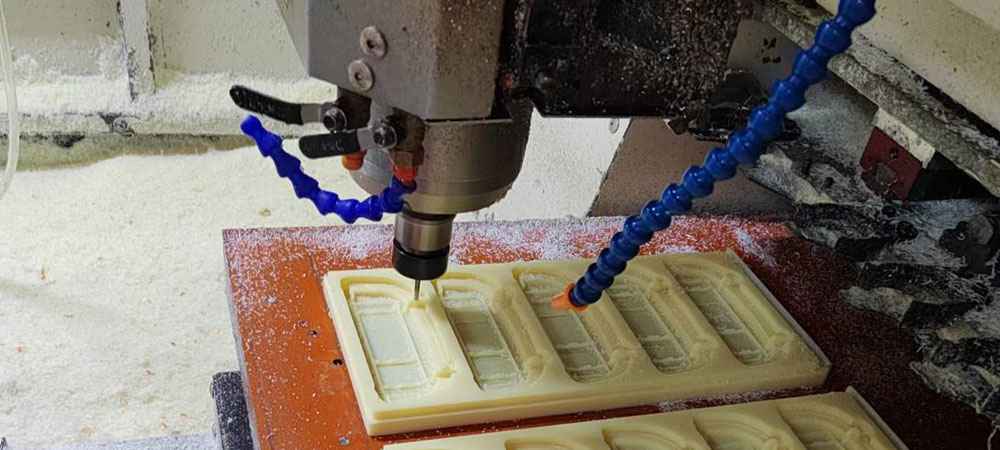
CNC machining of plastics involves using computer-controlled cutting tools to shape pre-formed plastic materials into precise components. Unlike molding processes, CNC machining allows for rapid prototyping, low- to medium-volume production, and high customization with minimal tooling costs.
Common Materials for CNC Machining Plastics:
- ПРЕСС (Acrylonitrile Butadiene Styrene)
- Properties: Durable, impact-resistant, and lightweight. ABS has excellent dimensional stability and can be easily machined and polished.
- Applications: Housings for electronics, automotive interior panels, enclosures, and consumer products.
- ПОМ (Polyoxymethylene, also known as Acetal)
- Properties: High strength, stiffness, and low friction. POM exhibits excellent wear resistance and dimensional stability under thermal changes.
- Applications: Gears, bearings, bushings, mechanical parts, and precision components in automotive and industrial machinery.
- ПП (Polypropylene)
- Properties: Lightweight, chemical-resistant, and flexible. PP is easy to machine and offers good fatigue resistance.
- Applications: Containers, caps, automotive parts, and components for chemical and medical applications.
- ПК (Polycarbonate)
- Properties: Extremely strong, impact-resistant, and transparent. PC has high heat resistance and excellent dimensional stability.
- Applications: Protective covers, lenses, medical devices, electronics housings, and optical components.
Advantages of CNC Machining Plastic Parts:
- High precision and tight tolerances, often within ±0.01 mm.
- Ability to produce complex shapes and features that may be difficult with molding.
- Rapid prototyping and low-volume production without the need for expensive molds.
- Smooth surface finish and consistent quality across multiple parts.
Plastic CNC machining is particularly valuable for industries that require functional prototypes, custom designs, or small-batch production before committing to injection molding or mass production.
2. CNC Machining Metal Parts
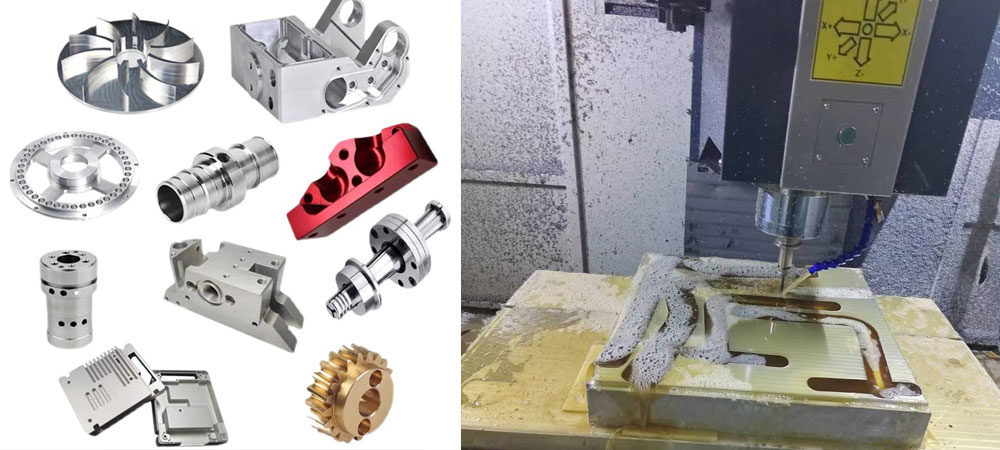
CNC machining of metals involves cutting, drilling, milling, and turning metal blocks or bars into finished components. This process is crucial for industries requiring high-strength, durable, and precise parts. CNC machines can handle a variety of metals, each offering specific mechanical and chemical properties.
Common Metals for CNC Machining:
- Алюминий (Al)
- Properties: Lightweight, corrosion-resistant, and easy to machine. Aluminum has excellent thermal and electrical conductivity.
- Applications: Aerospace components, automotive parts, heat sinks, electronic housings, and machinery components.
- Aluminum Alloys
- Properties: Alloying improves strength, hardness, and fatigue resistance while retaining machinability.
- Applications: Structural components, precision machinery, frames, and custom industrial parts.
- Zinc (Zinc Alloys)
- Properties: High corrosion resistance, good wear resistance, and excellent casting ability. CNC machining is often used to refine features after casting.
- Applications: Automotive components, hardware fittings, electronic housings, and decorative parts.
- Сталь
- Properties: Strong, durable, and heat-resistant. Steel is suitable for load-bearing and structural parts. Stainless steel offers corrosion resistance, while carbon steel provides high strength.
- Applications: Gears, shafts, brackets, industrial machinery components, and tools.
- Brass
- Properties: Excellent corrosion resistance, electrical conductivity, and machinability. Brass is often used for decorative and functional components.
- Applications: Valves, fittings, gears, musical instruments, and electrical connectors.
Advantages of CNC Machining Metal Parts:
- High dimensional accuracy and repeatability.
- Ability to create complex geometries with tight tolerances.
- Superior mechanical properties compared to plastic components.
- Suitable for both low-volume prototypes and high-volume production with consistent quality.
3. Applications Across Industries
CNC machining parts, both plastic and metal, serve critical roles in diverse industries:
- Automotive Industry: Алюминий, steel, and plastic components such as engine brackets, housings, gears, dashboards, and bushings. CNC machining ensures durability, tight tolerances, and performance under high stress.
- Aerospace Industry: High-precision aluminum and alloy parts like structural frames, brackets, and housings. CNC machining ensures lightweight construction while maintaining strength and safety standards.
- Electronics and Consumer Goods: Plastic CNC parts like ABS and PC enclosures, buttons, and mechanical components, as well as metal heat sinks and frames, are essential for high-quality, functional products.
- Medical Industry: Plastic components such as PC and PP surgical tool housings, combined with stainless steel CNC machined instruments, require high precision, biocompatibility, and durability.
- Industrial Equipment: Both metal and plastic CNC parts are used in gears, shafts, bushings, and machinery components, supporting smooth operation, long life, and efficiency.
- Prototyping and Product Development: CNC machining allows engineers to quickly create prototypes in both plastic and metal before moving to mass production. Rapid iteration ensures product designs meet functional and aesthetic requirements.
4. Advantages of CNC Machining for Plastic and Metal Parts
- Precision and Accuracy: CNC machines achieve tight tolerances, ensuring parts fit perfectly in assemblies.
- Flexibility: Capable of producing a wide range of sizes and shapes, including complex geometries.
- Material Versatility: Can handle a broad range of plastics and metals, enabling the selection of the most suitable material for the application.
- Efficiency: High-speed machines and automation reduce production time while maintaining consistent quality.
- Prototyping and Small-Batch Production: Eliminates the need for expensive molds, making CNC machining cost-effective for low-volume parts.
Conclusion
CNC machining is a cornerstone of modern manufacturing, bridging the gap between concept and production. By working with both plastic materials like ABS, ПОМ, ПП, and PC, and metals such as aluminum, alloys, zinc, steel, and brass, manufacturers can produce parts with exceptional precision, functionality, and durability.
Plastic CNC machining excels in prototyping, small-batch production, and components requiring lightweight, corrosion-resistant materials, while metal CNC machining ensures structural integrity, high strength, and long service life for demanding applications.
Across industries—from automotive, aerospace, and electronics to medical devices, industrial machinery, and consumer goods—CNC machined parts deliver reliability, performance, and quality. With advanced CNC equipment, skilled engineers, and high-quality materials, manufacturers can meet diverse production needs while maintaining tight tolerances and consistent quality.
In today’s competitive market, the ability to produce high-quality plastic and metal parts efficiently through CNC machining is a significant advantage, enabling companies to innovate, reduce production costs, and deliver superior products to customers worldwide.
Детали для обработки с ЧПУ (Закон о пластике и алюминии)
1. Обработка пластиковых деталей с ЧПУ(ПРЕСС, ПОМ, ПП, ПК)
2. Обработка металлических деталей с ЧПУ(Выпускник, Сплав, Цинк, Сталь, Бекью)
3. Обработка металлических деталей с ЧПУ(Выпускник, Сплав, Цинк, Сталь, Бекью)