
WhatsApp/Wechat:86-138-2878-1334


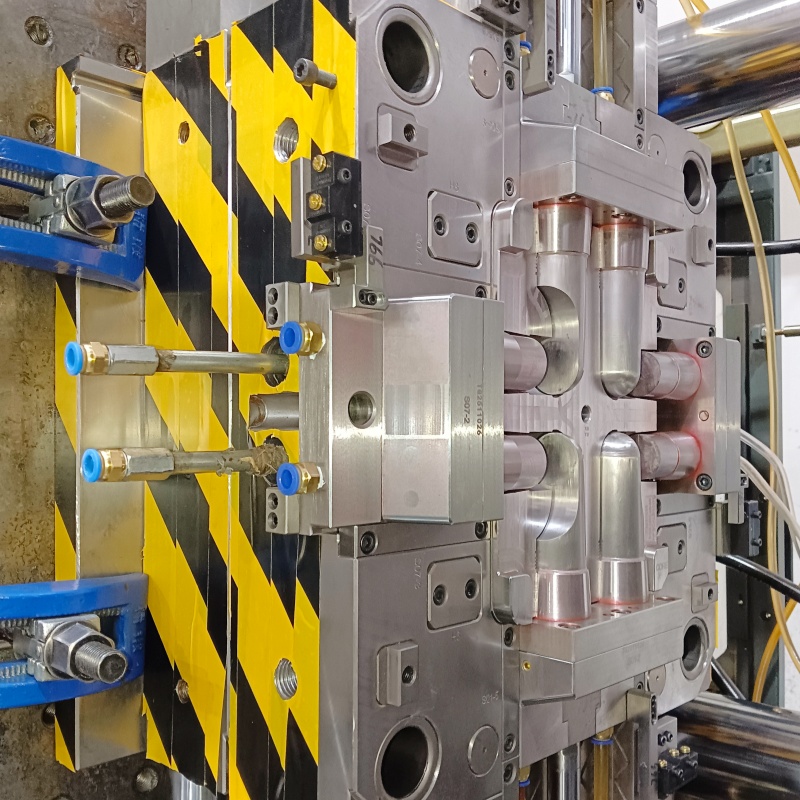
Multi-Cavity Unscrewing Plastic Products
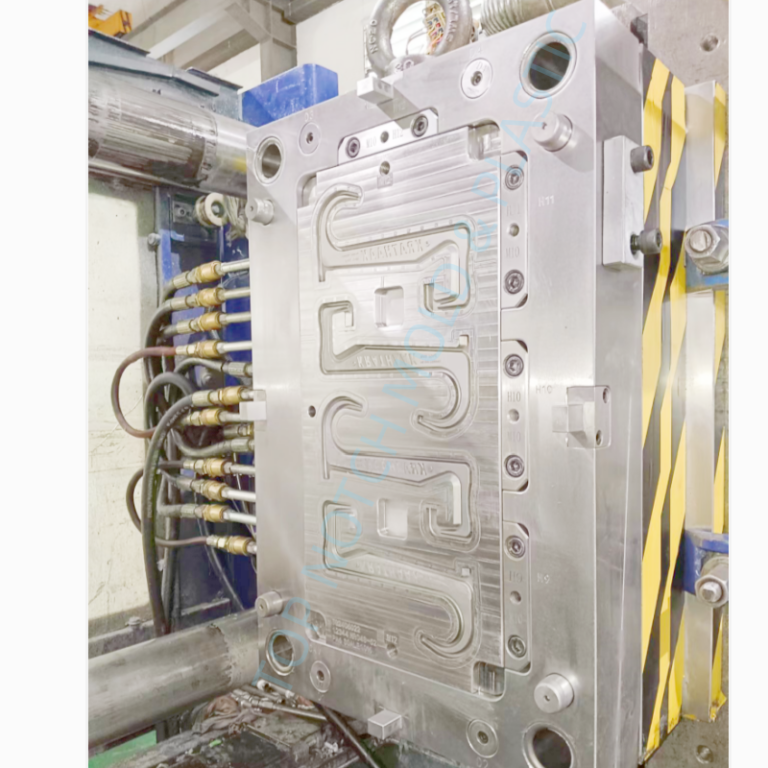
Mold Description
|
Имя
|
Plastic Injecition Mold |
| Mould Material | P20,NAK80,SKD11,S316,S50C,S45C,718H,718 ,1.2344, Per customer's requirement |
| Mould base | LKM, ХАСКО, DME or Per customer's requirement |
| Type of plastic mold | 3-plate mold,2-plate mold |
| Cavity | Single/Multi cavity ,1*1,1+1,1*2,1+1+1,и так далее |
| Gate Position | Fan gate,Sub gate,Pin Point gate,Hot Runner Valve Gate,Open Nozzel |
| Ejection system | Stripper plate,Lifter,Push Bar,Ejection Pin etc |
| Runner | Hot/cold type |
| Plastic Resin Material | АБС+ПК,ПНД, ПП, нейлон, Быстрый взгляд, ПВД, ПРЕСС, стирол, акриловый, Ацеталь, ПЭ, ПТФЭ, ОПЭ, and PES |
| Mould life | 300,000-500,000-1,000,000 shots |
| Lead time | 25-35 days after deposit received/and mold design is approved by customer |
| Specification | Follow the 3D final drawing |
| Packaging details |
Covering with film for anti rust and packed with wooden Case
|
Parts Production Details
| Product Material | ПРЕСС,AS,ПП,PPS,ПК,ПЭ,ПОМ,PMMA,PS,ПНД,TPE,TPU etc |
| Surface finish | Polishing finish,Texture Finish,Glossy Finish,Живопись,Slik print,Rubber Painting etc |
| MOQ | 500 PCS |
| Packaging details | Carton box or wooden Case upon product weight and customer's requirements. |
| Shipping | By sea ,by train ,or by air as customer requirement |
| Export Country | Janpan,Europe,USA,Mexico,Australia,Middle East,Korea,Asia etc |
| Typical Used For | Housings, containers, caps, fittings,including as below Power-tool housing, Disposable razors, Electrical Switches,Crates/Recycling boxesAutomotive dash boards,Television Cabinets,Drug Inhalation Units,Automotive bumpers,Wheelie bins ,Syringes,Telephone handsets ,Washing-up bowls,DVDs,Bottle Lids/closures,Battery Casings |
| Range of markets | consumer electronics,industrial products, , food processing, aviation, seals/gaskets, lighting, packaging, filter,healthcare, telecommunications, mechanical, water treatment, appliance, recreation,lawn and garden, educational, oil and gas, government, construction,plumbing, surveillance, pumps, marine, motors, gears, RFID tags, electronics,and fasteners. |
- Описание
Multi-Cavity Unscrewing Plastic Products in Injection Molds: Design, Process, and Applications
Injection molding has long been the preferred method for producing complex and high-precision plastic components. One of the most advanced techniques in this field is multi-cavity unscrewing plastic products in injection molds, which allows the efficient production of threaded parts, caps, and containers with integrated screws or internal threads in a single molding cycle. This technology is essential for high-volume production of plastic components requiring precise threading without the need for secondary machining operations.
This article explores the design, manufacturing process, advantages, assembly considerations, quality assurance, and applications of multi-cavity unscrewing plastic products in injection molds.
1. Introduction to Multi-Cavity Unscrewing Injection Molds
Multi-cavity injection molds are molds with multiple cavities that produce several identical parts in a single injection cycle, maximizing efficiency and productivity. When these molds are combined with unscrewing mechanisms, they can mold threaded plastic parts directly, such as bottle caps, closures, and connector housings, eliminating the need for post-molding threading.
Key goals of multi-cavity unscrewing plastic products in injection molds include:
- Producing high volumes of threaded parts efficiently.
- Ensuring precise and consistent internal or external threads.
- Reducing labor and machining costs.
- Maintaining dimensional stability and surface quality.
This technology is widely used in packaging, automotive, consumer electronics, medical devices, and industrial applications.
2. Mold Design for Multi-Cavity Unscrewing Plastic Products
The design of multi-cavity unscrewing injection molds is more complex than standard molds due to the need for integrated threading mechanisms. Proper mold design ensures dimensional accuracy, functional threads, and consistent part quality.
2.1 Core Components of the Mold
- Cavities: Multiple identical cavities allow simultaneous production of parts. The number of cavities depends on injection machine capacity and part size.
- Core and cavity inserts: Precisely machined to form the outer and inner surfaces, including threads.
- Unscrewing mechanism: A mechanical system rotates the core or part to release threads without damaging the plastic.
- Ejection system: After unscrewing, ejector pins or plates push the molded part out safely.
- Cooling channels: Designed to ensure uniform cooling, reducing warpage and maintaining thread accuracy.
2.2 Thread Design Considerations
- Thread pitch and depth must match functional requirements.
- The core must rotate smoothly to unscrew the part without stressing the plastic.
- Draft angles facilitate part release and reduce risk of thread damage.
2.3 Material Selection
Materials used for threaded plastic products must be durable and maintain dimensional stability:
- Polypropylene (ПП): Flexible, chemical-resistant, ideal for closures and caps.
- Polyethylene (ПЭ): Common for bottles and containers.
- ABS or PC: High-strength plastics for functional threaded components like electronics enclosures.
- Nylon (PA): Excellent wear resistance, suitable for mechanical connectors.
3. Injection Molding Process for Unscrewing Plastic Products
The injection molding process for multi-cavity unscrewing products combines standard injection molding steps with a precise unscrewing cycle to create threaded components.
3.1 Melting and Injection
Plastic granules are melted and injected under high pressure into the mold cavities. The material flows into the cavity, filling the threaded sections carefully to avoid voids or defects.
3.2 Cooling and Solidification
After injection, the plastic solidifies inside the mold. Cooling channels are critical for uniform solidification, preventing warping, shrinkage, or deformation that could compromise threads.
3.3 Unscrewing Mechanism
Once the plastic has solidified:
- The unscrewing mechanism rotates the core or cavity, releasing the internal or external threads without damaging the part.
- The rotation speed and torque are controlled to avoid stressing or cracking the molded part.
- Multi-cavity molds synchronize the unscrewing of all cavities to maintain consistent cycle times.
3.4 Part Ejection
After threads are released, ejector pins or plates remove the parts from the mold. This step ensures smooth removal without scratching the surface or distorting the threads.
4. Advantages of Multi-Cavity Unscrewing Injection Molds
Using multi-cavity unscrewing molds provides several advantages over traditional molding and secondary threading:
4.1 High Efficiency
Multiple parts are produced in a single cycle, reducing production time and increasing throughput for high-volume operations.
4.2 Cost Reduction
Eliminates secondary machining or tapping operations, reducing labor and tooling costs while improving consistency.
4.3 Precision and Consistency
Integrated unscrewing mechanisms produce uniform threads with high dimensional accuracy across all cavities.
4.4 Material Optimization
Minimizes waste by producing complex threaded parts in one step without additional machining or assembly.
4.5 Versatility
Suitable for producing threaded parts of various sizes, including caps, connectors, housings, and closures for liquids, electronics, or industrial applications.
5. Assembly Considerations for Unscrewed Plastic Parts
Threaded parts produced by multi-cavity unscrewing molds are often part of larger assemblies, and careful handling ensures product reliability.
5.1 Functional Testing
- Check the threads for smooth engagement with corresponding male or female components.
- Verify torque resistance and load-bearing capacity of the threads.
5.2 Secondary Operations
Some products may require:
- Adhesive bonding for waterproof or tamper-resistant assemblies.
- Overmolding or decoration for branding or aesthetics.
- Insertion of seals, gaskets, or other functional elements.
5.3 Упаковка
- Handle threaded parts carefully to prevent cross-threading or damage during shipping.
- Protective trays or bags are often used to maintain surface integrity.
6. Quality Control and Inspection
Ensuring high-quality multi-cavity unscrewing plastic products requires rigorous quality assurance procedures.
6.1 Dimensional Verification
- Thread dimensions, pitch, and diameter are measured using precision gauges or optical inspection systems.
- Critical for ensuring proper fit in assemblies and preventing product failures.
6.2 Functional Testing
- Check rotation and engagement of threads with mating parts.
- Test resistance to torque, vibration, and repeated usage.
6.3 Surface and Cosmetic Inspection
- Verify absence of flash, sink marks, or deformation on threaded surfaces.
- Ensure consistent surface finish for consumer-facing products.
6.4 Process Monitoring
- Monitor injection pressure, temperature, and cycle times.
- Use statistical process control (SPC) to detect deviations in real-time and maintain uniformity.
7. Applications of Multi-Cavity Unscrewing Plastic Products
Multi-cavity unscrewing molds are widely used in industries that require high-volume threaded plastic components:
7.1 Упаковка
- Bottles, jars, and caps for beverages, cosmetics, and pharmaceuticals.
- Threaded closures that require leak-proof and durable performance.
7.2 Electronics and Consumer Products
- Threaded housings for electronic devices or connectors.
- Camera enclosures, cable connectors, and battery compartments.
7.3 Industrial and Automotive Applications
- Fluid or air connectors, threaded fasteners, and mechanical components requiring precise engagement.
- Protective covers or threaded caps for machinery and equipment.
7.4 Медицинские приборы
- Syringe caps, vials, or threaded housings for medical equipment.
- High precision and safety standards are maintained through unscrewing molds.
8. Challenges and Best Practices
While multi-cavity unscrewing molds offer significant advantages, careful attention is required to optimize the process.
8.1 Challenges
- Complex mold design increases tooling costs.
- Synchronizing multiple cavities with unscrewing mechanisms requires precise engineering.
- Threaded parts are sensitive to shrinkage, warpage, and cooling inconsistencies.
8.2 Best Practices
- Use high-quality mold steel and precise machining for cavities and cores.
- Implement uniform cooling channels to minimize warpage.
- Maintain consistent injection parameters for uniform thread quality.
- Test mold performance with pilot runs before mass production.
9. Innovations in Multi-Cavity Unscrewing Molds
Modern injection molding technology continues to evolve:
- Robotics and automation: Automate part removal and inspection for high-volume production.
- Multi-material molding: Combine rigid and flexible plastics in a single threaded component.
- Advanced simulation: Use mold flow analysis to optimize thread fill, reduce defects, and minimize cycle time.
- Surface finishing: In-mold texturing or coatings enhance aesthetics and grip on threaded components.
10. Conclusion
Multi-cavity unscrewing plastic products in injection molds represent a sophisticated and highly efficient manufacturing solution for threaded components. By integrating multiple cavities with unscrewing mechanisms, manufacturers can produce high volumes of precise, functional, and durable parts without secondary machining.
Key benefits of this technology include:
- High productivity for mass production.
- Consistent thread quality and dimensional accuracy.
- Cost reduction through elimination of secondary operations.
- Versatility for a wide range of industries, from packaging and consumer electronics to automotive and medical devices.
Through careful mold design, material selection, process optimization, and quality control, manufacturers can achieve reliable, high-performance injection molded threaded products that meet stringent functional, aesthetic, and safety requirements.
Форма для литья под давлением, Товары для домашних животных, Медицинское оборудование, Промышленные детали, Товары для младенцев и мам, Канцелярские товары / Образовательные товары, Другие plastic injection mold, литье пластмасс под давлением, neckband headphones injection mold, neckband earphones plastic mold, neckband earbuds, neck bluetooth headset molds, plastic mold
ОТПРАВИТЬ ЗАПРОС
Сопутствующие товары
© 2025 www.tpi-mould.com. All rights reserved by Top Notch Mold & Tool Co'Ltd
Руководствовался Wpboss