
WhatsApp/Wechat:86-138-2878-1334


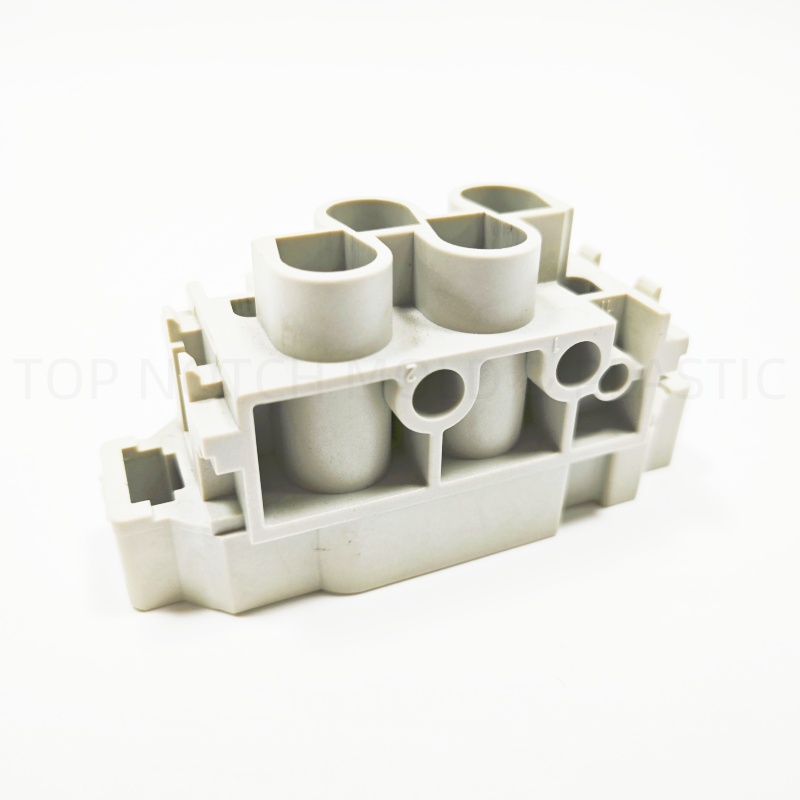
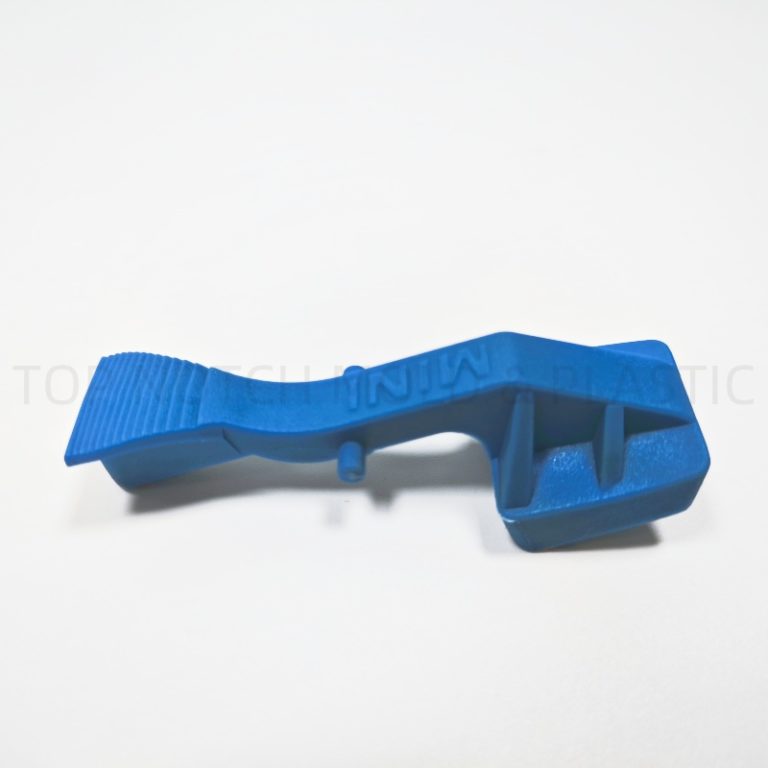
Plastic Parts for Industrial Products in Injection Mold
Mold Description
|
Имя
|
Plastic Injecition Mold |
| Mould Material | P20,NAK80,SKD11,S316,S50C,S45C,718H,718 ,1.2344, Per customer's requirement |
| Mould base | LKM, ХАСКО, DME or Per customer's requirement |
| Type of plastic mold | 3-plate mold,2-plate mold |
| Cavity | Single/Multi cavity ,1*1,1+1,1*2,1+1+1,и так далее |
| Gate Position | Fan gate,Sub gate,Pin Point gate,Hot Runner Valve Gate,Open Nozzel |
| Ejection system | Stripper plate,Lifter,Push Bar,Ejection Pin etc |
| Runner | Hot/cold type |
| Plastic Resin Material | АБС+ПК,ПНД, ПП, нейлон, Быстрый взгляд, ПВД, ПРЕСС, стирол, акриловый, Ацеталь, ПЭ, ПТФЭ, ОПЭ, and PES |
| Mould life | 300,000-500,000-1,000,000 shots |
| Lead time | 25-35 days after deposit received/and mold design is approved by customer |
| Specification | Follow the 3D final drawing |
| Packaging details |
Covering with film for anti rust and packed with wooden Case
|
Parts Production Details
| Product Material | ПРЕСС,AS,ПП,PPS,ПК,ПЭ,ПОМ,PMMA,PS,ПНД,TPE,TPU etc |
| Surface finish | Polishing finish,Texture Finish,Glossy Finish,Живопись,Slik print,Rubber Painting etc |
| MOQ | 500 PCS |
| Packaging details | Carton box or wooden Case upon product weight and customer's requirements. |
| Shipping | By sea ,by train ,or by air as customer requirement |
| Export Country | Janpan,Europe,USA,Mexico,Australia,Middle East,Korea,Asia etc |
| Typical Used For | Housings, containers, caps, fittings,including as below Power-tool housing, Disposable razors, Electrical Switches,Crates/Recycling boxesAutomotive dash boards,Television Cabinets,Drug Inhalation Units,Automotive bumpers,Wheelie bins ,Syringes,Telephone handsets ,Washing-up bowls,DVDs,Bottle Lids/closures,Battery Casings |
| Range of markets | consumer electronics,industrial products, , food processing, aviation, seals/gaskets, lighting, packaging, filter,healthcare, telecommunications, mechanical, water treatment, appliance, recreation,lawn and garden, educational, oil and gas, government, construction,plumbing, surveillance, pumps, marine, motors, gears, RFID tags, electronics,and fasteners. |
- Описание
Plastic Parts for Industrial Products in Injection Mold: Precision, Durability, and Efficiency
In the industrial sector, high-performance components are essential for machinery, equipment, tools, and assemblies. Plastic parts play a crucial role in ensuring operational efficiency, durability, and safety. From gears and housings to conveyor components, brackets, and enclosures, литье пластмасс под давлением provides a cost-effective, precise, and reliable method for producing industrial parts that meet strict quality standards.
Understanding Plastic Injection Mold for Industrial Parts
Plastic injection molding is a process in which molten thermoplastic material is injected into a mold cavity under high pressure. After cooling and solidifying, the part is ejected with precise dimensions, consistent quality, and a smooth surface finish. This process is ideal for producing industrial components with complex geometries, tight tolerances, and repeatable performance, which is critical for parts used in mechanical, electrical, and automation systems.
Common materials used for industrial plastic components include ПРЕСС, polycarbonate (ПК), polypropylene (ПП), polyethylene (ПЭ), polyamide (PA/Nylon), and glass-filled engineering plastics. These materials provide high mechanical strength, impact resistance, chemical resistance, and thermal stability, enabling parts to withstand harsh industrial environments. Transparent plastics can be used for inspection windows or visual indicators, while rigid or reinforced plastics provide structural integrity for load-bearing components.
Advanced mold technologies, such as multi-cavity molds, hot-runner systems, and overmolding, allow manufacturers to produce complex parts efficiently, reduce waste, and ensure consistent quality across high-volume production runs.
Applications of Injection-Molded Plastic Parts in Industrial Products
Plastic injection molding is widely used in various industrial applications due to its versatility and precision. Key applications include:
- Mechanical Components
- Gears, pulleys, spacers, and bearings molded from reinforced plastics reduce weight and noise while maintaining strength.
- Wear-resistant materials ensure long-term durability, even under high mechanical stress.
- Housings and Enclosures
- Industrial control panels, sensor housings, and electrical enclosures rely on molded plastics for insulation, protection, and durability.
- Molded parts can include snap-fit features, mounting brackets, and ventilation slots to streamline assembly and maintenance.
- Conveyor and Material Handling Components
- Conveyor belts, rollers, guides, and brackets benefit from injection-molded plastics that provide low friction, chemical resistance, and impact strength.
- Molded components reduce maintenance and improve the efficiency of material-handling systems.
- Automation and Robotics Parts
- Precision molded plastic components such as mounts, joints, and protective covers support automation systems and robotics applications.
- Overmolding allows integration of flexible seals or soft-touch surfaces on rigid parts for improved performance.
- Industrial Tooling and Accessories
- Handles, grips, knobs, brackets, and protective covers are molded to ergonomic and durable standards for worker safety and comfort.
- Custom molds ensure that parts fit precisely with industrial machinery and tools.
Advantages of Injection-Molded Plastic Parts in Industrial Applications
- Precision and Consistency
- Tight tolerances ensure reliable operation of mechanical systems and compatibility with other industrial components.
- Multi-cavity molds enable uniform production across high volumes.
- Durability and Chemical Resistance
- Industrial environments often expose parts to heat, chemicals, mechanical stress, and abrasion.
- Reinforced plastics and engineering-grade materials provide resistance to wear, corrosion, and deformation.
- Complex Design Capabilities
- Injection molding allows the production of complex shapes, integrated assembly features, and multi-material components.
- Snap-fit designs, clips, ribs, and overmolded elements reduce assembly time and improve functionality.
- Cost-Efficiency
- Automated molding processes and high-volume production reduce manufacturing costs per unit.
- Reduces the need for secondary machining, cutting, or finishing operations.
- Lightweight and Ergonomic
- Plastic parts reduce the weight of machinery and equipment, improving efficiency and ease of handling.
- Ergonomic designs enhance operator safety and usability.
Key Considerations in Mold Design for Industrial Parts
- Material Selection
- Material must meet mechanical, thermal, and chemical resistance requirements.
- Glass-filled or reinforced plastics are preferred for high-strength or load-bearing applications.
- Wall Thickness and Flow Optimization
- Uniform wall thickness prevents warping, sink marks, and dimensional inaccuracies.
- Proper gating ensures complete filling, particularly in intricate parts with ribs or bosses.
- Surface Finish
- Smooth surfaces minimize wear and friction, while textured finishes can improve grip or aesthetic appearance.
- Cooling and Cycle Efficiency
- Proper cooling channels ensure dimensional stability and reduce cycle times, improving productivity.
- Overmolding and Multi-Material Integration
- Flexible seals, soft-touch grips, or protective edges can be overmolded onto rigid plastic parts for added functionality.
Trends in Injection-Molded Industrial Plastic Parts
- High-Performance Engineering Plastics
- Increasing use of glass-filled, flame-retardant, and heat-resistant plastics for advanced machinery.
- Sustainable Manufacturing
- Growing adoption of recycled plastics and eco-friendly materials in industrial production.
- Integration with Automation
- Components are increasingly designed for robotics, smart sensors, and IoT-enabled industrial equipment.
- Customization and Modular Design
- Injection molding allows modular components for flexible and adaptable industrial systems.
Conclusion
Plastic injection molding is a cornerstone of modern industrial manufacturing, providing durable, precise, and cost-effective components for machinery, automation, tooling, and material-handling systems. By combining advanced materials, innovative mold design, and efficient production techniques, manufacturers can produce high-volume, high-quality industrial plastic parts that meet stringent performance and safety standards.
As industries continue to embrace automation, smart manufacturing, and sustainability, injection-molded plastics will remain an essential solution for producing reliable, functional, and versatile components for a wide range of industrial applications.
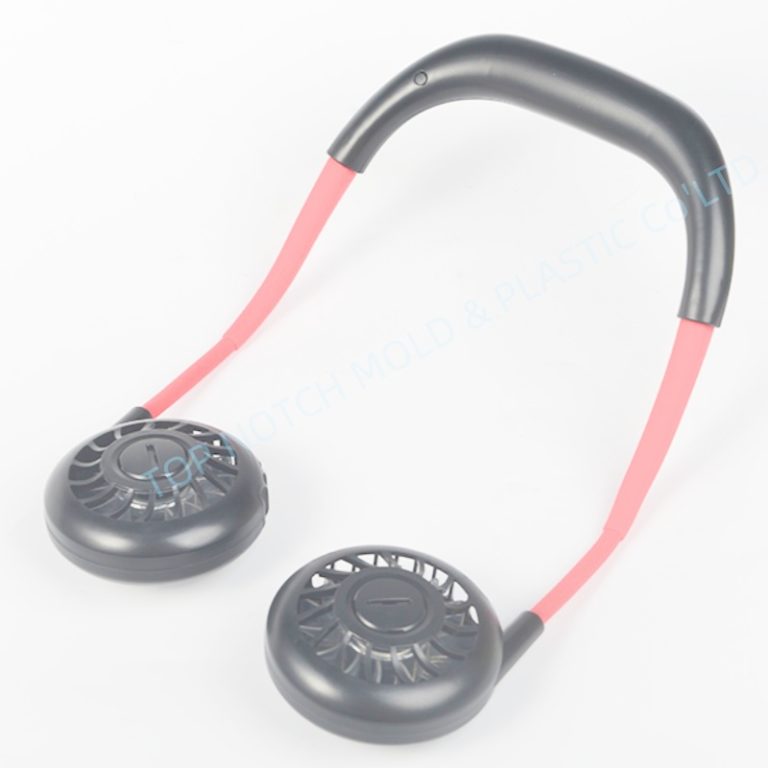
Фотографии пластиковых деталей, Промышленная продукция литье пластмасс под давлением, neckband headphones injection mold, neckband earphones plastic mold, neckband earbuds, neck bluetooth headset molds, plastic mold, plastic injection mold
ОТПРАВИТЬ ЗАПРОС
Сопутствующие товары
© 2025 www.tpi-mould.com. All rights reserved by Top Notch Mold & Tool Co'Ltd
Руководствовался Wpboss