
WhatsApp/Wechat:86-138-2878-1334


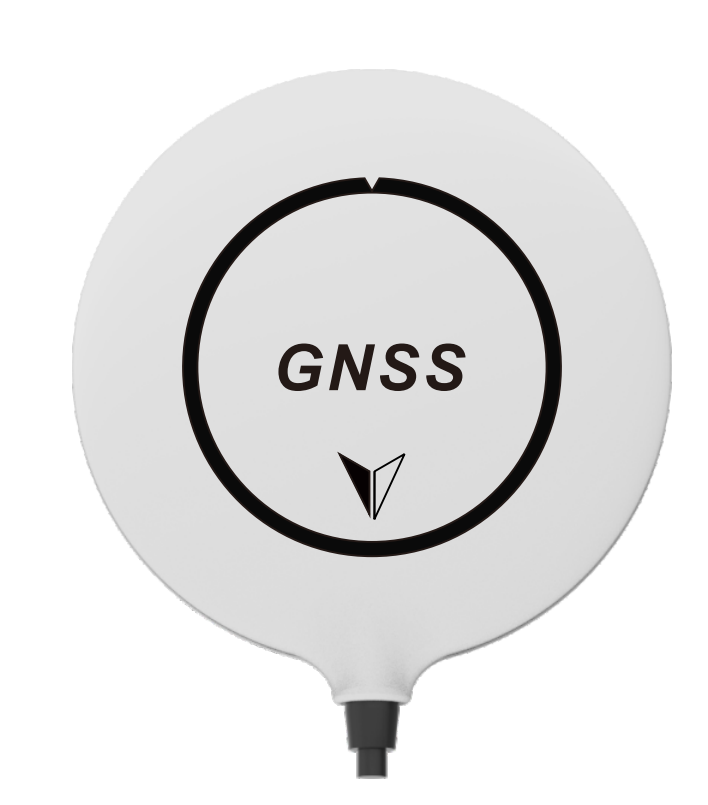
Silkscreen on Plastic Parts in Injection Molding
Silkscreen on Plastic Parts in Injection Molding: Branding, Качество, and Precision
In the modern manufacturing industry, plastic injection molding is one of the most widely used processes for producing high-volume, precise, and durable parts. From consumer electronics to automotive components, household appliances, and medical devices, injection-molded plastic parts are everywhere. Beyond functionality and durability, branding and product identification are increasingly important, and one of the most effective methods to achieve this is silkscreen printing, which allows logos, graphics, and text to be directly applied onto plastic parts.
This article explores the role of silkscreen logos in the injection molding industry, the process involved, materials, advantages, applications, and why it is an essential aspect of product manufacturing and brand visibility.
1. What is Silkscreen Logo on Plastic Parts?
A silkscreen logo is a printed graphic or text applied to a plastic part after it has been injection molded. It is done using silkscreen printing—also known as screen printing—a technique where ink is forced through a fine mesh stencil (screen) onto the surface of the plastic.
Silkscreen logos serve several purposes:
- Branding: Displaying company logos or product names directly on parts to reinforce brand identity.
- Instructions or Labels: Printing functional markings, numbers, or symbols for assembly, usage, or safety.
- Aesthetic Enhancement: Adding visual appeal to plastic parts through color, design, and contrast.
- Traceability: Including part numbers, serial numbers, or batch codes to track production or quality.
Unlike adhesive labels or stickers, silkscreen printing provides a permanent, durable, and high-quality mark that can withstand environmental exposure, wear, and cleaning.
2. The Silkscreen Printing Process for Injection-Molded Parts
Silkscreen printing involves several key steps:
2.1 Design Preparation
The logo or graphic is designed digitally, specifying colors, size, placement, and details. A stencil, or screen, is then created, with open areas corresponding to where ink should be applied.
2.2 Part Preparation
The injection-molded plastic parts must have smooth, clean surfaces free from dust, grease, or residues. This ensures proper adhesion of the ink and prevents smudging or defects.
2.3 Ink Selection
Different inks are available for various plastics and applications. For example:
- UV-cured inks: Durable and resistant to fading or abrasion.
- Solvent-based inks: Good adhesion for textured or curved surfaces.
- Epoxy-based inks: High durability and chemical resistance.
2.4 Печатание
The screen is placed over the part, and ink is pushed through the mesh using a squeegee. The ink passes through the open areas of the stencil and deposits on the plastic surface, forming the desired logo or text.
2.5 Curing or Drying
After printing, the ink must be cured or dried. Depending on the ink type, this may involve heat, UV light, or air drying to ensure the logo is permanent, scratch-resistant, and suitable for long-term use.
2.6 Quality Inspection
Printed parts are inspected for clarity, alignment, adhesion, and color accuracy. Defective parts are rejected or reworked to maintain quality standards.
3. Materials Used for Silkscreen Printing on Plastic Parts
The type of plastic affects the choice of ink and printing process. Common injection-molded plastics include:
- ПРЕСС (Acrylonitrile Butadiene Styrene): Durable, impact-resistant, and widely used in electronics and consumer products.
- ПК (Polycarbonate): Transparent and heat-resistant, used for displays and protective covers.
- ПП (Polypropylene) and PE (Polyethylene): Flexible and chemical-resistant, often used in household products or packaging.
- ПОМ (Acetal): High stiffness and low friction, used in mechanical components.
The ink and curing method must match the plastic’s chemical composition, surface energy, and texture to ensure long-lasting adhesion.
4. Advantages of Silkscreen Logos on Plastic Parts
- Durability: Unlike stickers, silkscreen logos are resistant to wear, scratches, chemicals, and UV exposure.
- Precision: High-resolution printing allows fine text, logos, and intricate designs.
- Customization: Multiple colors, finishes, and designs can be applied for branding or functional purposes.
- Efficiency for Mass Production: Automated silkscreen printing can be integrated with injection molding lines for high-volume production.
- Traceability and Compliance: Logos, serial numbers, or part codes ensure quality control, regulatory compliance, and product tracking.
- Cost-Effectiveness: For high-volume production, silkscreen printing is economical compared to other labeling methods.
5. Applications in Injection Molding Industry
Silkscreen printing is widely used across various industries:
- Электроника: Printing brand logos, buttons, and functional markings on phone cases, remotes, and housings.
- Медицинские приборы: Adding product names, measurement markings, or safety symbols on syringes, test kits, and housings.
- Automotive Components: Logos, part numbers, or assembly guides on dashboards, switches, and interior panels.
- Household Appliances: Branding and functional labels on kitchen tools, switches, or plastic housings.
- Industrial Equipment: Part identification, warnings, and instructions printed on enclosures and control panels.
6. Challenges and Considerations
While silkscreen logos are highly effective, certain factors must be considered:
- Surface Texture: Rough or textured surfaces may require special inks or pre-treatment for proper adhesion.
- Plastic Color: Contrast between ink and plastic is essential for visibility.
- Environmental Resistance: Exposure to heat, chemicals, or abrasion may require specialized inks or coatings.
- Alignment: Accurate placement of logos on complex geometries requires precise fixtures and automation.
7. Conclusion
Silkscreen logos on plastic parts play a vital role in the injection molding industry, combining functionality, branding, and aesthetic appeal. By providing durable, precise, and customizable markings, silkscreen printing ensures that parts are identifiable, traceable, and visually appealing.
Whether for consumer electronics, medical devices, automotive components, or household products, silkscreen printing enhances product value and supports quality assurance. Integrating silkscreen printing into injection molding operations allows manufacturers to meet high-volume demands, maintain consistent quality, and reinforce brand identity.
As industries continue to focus on branding, safety, and compliance, silkscreen logos on injection-molded plastic parts remain a cost-effective and reliable solution for delivering professional, high-quality products to the market.
1.Silkscreen Logo On plastic parts
2.laser logo and Text on plastic parts by Laser machines
Запрос- Описание
Silkscreen on Plastic Parts in Injection Molding: Branding, Качество, and Precision
In the modern manufacturing industry, plastic injection molding is one of the most widely used processes for producing high-volume, precise, and durable parts. From consumer electronics to automotive components, household appliances, and medical devices, injection-molded plastic parts are everywhere. Beyond functionality and durability, branding and product identification are increasingly important, and one of the most effective methods to achieve this is silkscreen printing, which allows logos, graphics, and text to be directly applied onto plastic parts.
This article explores the role of silkscreen logos in the injection molding industry, the process involved, materials, advantages, applications, and why it is an essential aspect of product manufacturing and brand visibility.
1. What is Silkscreen Logo on Plastic Parts?
A silkscreen logo is a printed graphic or text applied to a plastic part after it has been injection molded. It is done using silkscreen printing—also known as screen printing—a technique where ink is forced through a fine mesh stencil (screen) onto the surface of the plastic.
Silkscreen logos serve several purposes:
- Branding: Displaying company logos or product names directly on parts to reinforce brand identity.
- Instructions or Labels: Printing functional markings, numbers, or symbols for assembly, usage, or safety.
- Aesthetic Enhancement: Adding visual appeal to plastic parts through color, design, and contrast.
- Traceability: Including part numbers, serial numbers, or batch codes to track production or quality.
Unlike adhesive labels or stickers, silkscreen printing provides a permanent, durable, and high-quality mark that can withstand environmental exposure, wear, and cleaning.
2. The Silkscreen Printing Process for Injection-Molded Parts
Silkscreen printing involves several key steps:
2.1 Design Preparation
The logo or graphic is designed digitally, specifying colors, size, placement, and details. A stencil, or screen, is then created, with open areas corresponding to where ink should be applied.
2.2 Part Preparation
The injection-molded plastic parts must have smooth, clean surfaces free from dust, grease, or residues. This ensures proper adhesion of the ink and prevents smudging or defects.
2.3 Ink Selection
Different inks are available for various plastics and applications. For example:
- UV-cured inks: Durable and resistant to fading or abrasion.
- Solvent-based inks: Good adhesion for textured or curved surfaces.
- Epoxy-based inks: High durability and chemical resistance.
2.4 Печатание
The screen is placed over the part, and ink is pushed through the mesh using a squeegee. The ink passes through the open areas of the stencil and deposits on the plastic surface, forming the desired logo or text.
2.5 Curing or Drying
After printing, the ink must be cured or dried. Depending on the ink type, this may involve heat, UV light, or air drying to ensure the logo is permanent, scratch-resistant, and suitable for long-term use.
2.6 Quality Inspection
Printed parts are inspected for clarity, alignment, adhesion, and color accuracy. Defective parts are rejected or reworked to maintain quality standards.
3. Materials Used for Silkscreen Printing on Plastic Parts
The type of plastic affects the choice of ink and printing process. Common injection-molded plastics include:
- ПРЕСС (Acrylonitrile Butadiene Styrene): Durable, impact-resistant, and widely used in electronics and consumer products.
- ПК (Polycarbonate): Transparent and heat-resistant, used for displays and protective covers.
- ПП (Polypropylene) and PE (Polyethylene): Flexible and chemical-resistant, often used in household products or packaging.
- ПОМ (Acetal): High stiffness and low friction, used in mechanical components.
The ink and curing method must match the plastic’s chemical composition, surface energy, and texture to ensure long-lasting adhesion.
4. Advantages of Silkscreen Logos on Plastic Parts
- Durability: Unlike stickers, silkscreen logos are resistant to wear, scratches, chemicals, and UV exposure.
- Precision: High-resolution printing allows fine text, logos, and intricate designs.
- Customization: Multiple colors, finishes, and designs can be applied for branding or functional purposes.
- Efficiency for Mass Production: Automated silkscreen printing can be integrated with injection molding lines for high-volume production.
- Traceability and Compliance: Logos, serial numbers, or part codes ensure quality control, regulatory compliance, and product tracking.
- Cost-Effectiveness: For high-volume production, silkscreen printing is economical compared to other labeling methods.
5. Applications in Injection Molding Industry
Silkscreen printing is widely used across various industries:
- Электроника: Printing brand logos, buttons, and functional markings on phone cases, remotes, and housings.
- Медицинские приборы: Adding product names, measurement markings, or safety symbols on syringes, test kits, and housings.
- Automotive Components: Logos, part numbers, or assembly guides on dashboards, switches, and interior panels.
- Household Appliances: Branding and functional labels on kitchen tools, switches, or plastic housings.
- Industrial Equipment: Part identification, warnings, and instructions printed on enclosures and control panels.
6. Challenges and Considerations
While silkscreen logos are highly effective, certain factors must be considered:
- Surface Texture: Rough or textured surfaces may require special inks or pre-treatment for proper adhesion.
- Plastic Color: Contrast between ink and plastic is essential for visibility.
- Environmental Resistance: Exposure to heat, chemicals, or abrasion may require specialized inks or coatings.
- Alignment: Accurate placement of logos on complex geometries requires precise fixtures and automation.
7. Conclusion
Silkscreen logos on plastic parts play a vital role in the injection molding industry, combining functionality, branding, and aesthetic appeal. By providing durable, precise, and customizable markings, silkscreen printing ensures that parts are identifiable, traceable, and visually appealing.
Whether for consumer electronics, medical devices, automotive components, or household products, silkscreen printing enhances product value and supports quality assurance. Integrating silkscreen printing into injection molding operations allows manufacturers to meet high-volume demands, maintain consistent quality, and reinforce brand identity.
As industries continue to focus on branding, safety, and compliance, silkscreen logos on injection-molded plastic parts remain a cost-effective and reliable solution for delivering professional, high-quality products to the market.
1.Silkscreen Logo On plastic parts
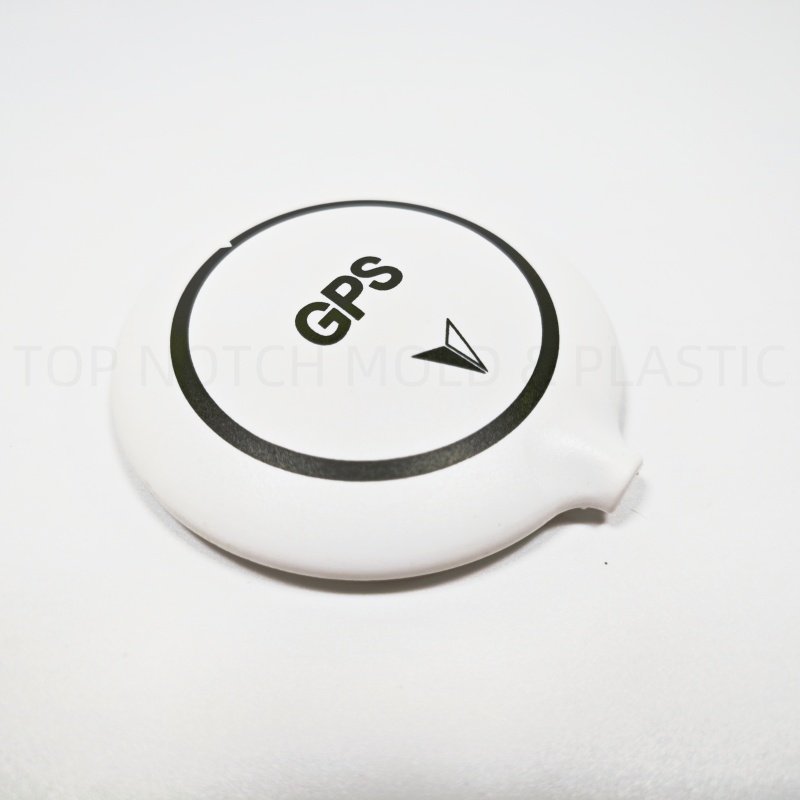
2.laser logo and Text on plastic parts by Laser machines
Шелкография
ОТПРАВИТЬ ЗАПРОС
Сопутствующие товары
© 2025 www.tpi-mould.com. All rights reserved by Top Notch Mold & Tool Co'Ltd
Руководствовался Wpboss