
WhatsApp/Wechat:86-138-2878-1334


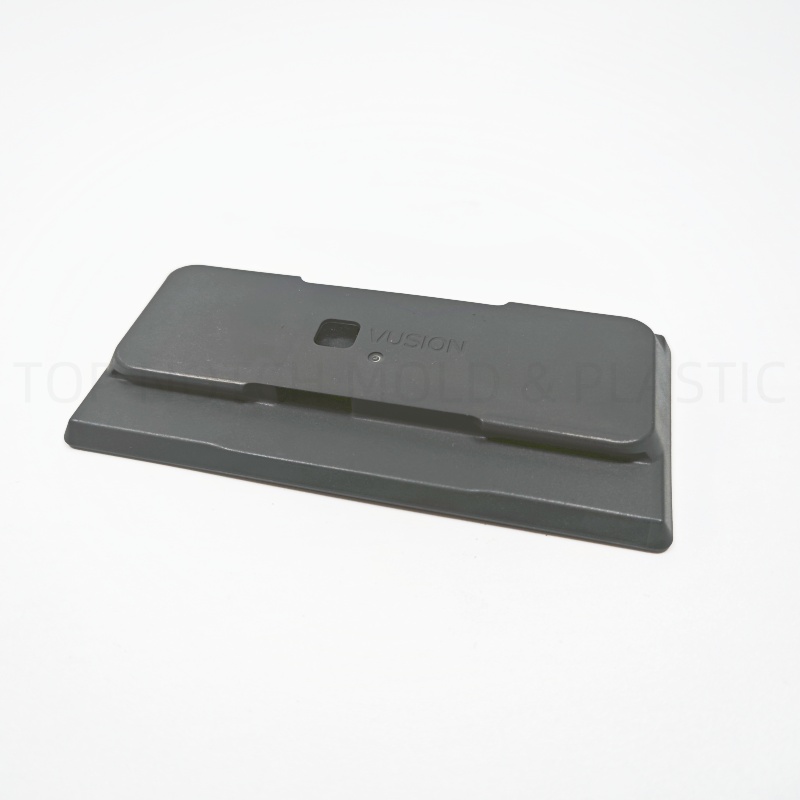
Market Shelves and Price Labeling in Injection Molding
Mold Description
|
Name
|
Plastic Injecition Mold |
| Mould Material | P20,NAK80,SKD11,S316,S50C,S45C,718H,718 ,1.2344, Per customer's requirement |
| Mould base | LKM, HASCO, DME or Per customer's requirement |
| Type of plastic mold | 3-plate mold,2-plate mold |
| Cavity | Single/Multi cavity ,1*1,1+1,1*2,1+1+1,etc |
| Gate Position | Fan gate,Sub gate,Pin Point gate,Hot Runner Valve Gate,Open Nozzel |
| Ejection system | Stripper plate,Lifter,Push Bar,Ejection Pin etc |
| Runner | Hot/cold type |
| Plastic Resin Material | ABS+PC,HDPE, PP, nylon, PEEK, LDPE, ABS, styrene, acrylic, acetal, PE, PTFE, PEI, and PES |
| Mould life | 300,000-500,000-1,000,000 shots |
| Lead time | 25-35 days after deposit received/and mold design is approved by customer |
| Specification | Follow the 3D final drawing |
| Packaging details |
Covering with film for anti rust and packed with wooden Case
|
Parts Production Details
| Product Material | ABS,AS,PP,PPS,PC,PE,POM,PMMA,PS,HDPE,TPE,TPU etc |
| Surface finish | Polishing finish,Texture Finish,Glossy Finish,Painting,Slik print,Rubber Painting etc |
| MOQ | 500 PCS |
| Packaging details | Carton box or wooden Case upon product weight and customer's requirements. |
| Shipping | By sea ,by train ,or by air as customer requirement |
| Export Country | Janpan,Europe,USA,Mexico,Australia,Middle East,Korea,Asia etc |
| Typical Used For | Housings, containers, caps, fittings,including as below Power-tool housing, Disposable razors, Electrical Switches,Crates/Recycling boxesAutomotive dash boards,Television Cabinets,Drug Inhalation Units,Automotive bumpers,Wheelie bins ,Syringes,Telephone handsets ,Washing-up bowls,DVDs,Bottle Lids/closures,Battery Casings |
| Range of markets | consumer electronics,industrial products, , food processing, aviation, seals/gaskets, lighting, packaging, filter,healthcare, telecommunications, mechanical, water treatment, appliance, recreation,lawn and garden, educational, oil and gas, government, construction,plumbing, surveillance, pumps, marine, motors, gears, RFID tags, electronics,and fasteners. |
- Description
Plastic Markers for Market Shelves and Price Labeling in Injection Molding: Efficiency, Durability, and Design Flexibility
Retail and supermarket environments rely heavily on clear, durable, and functional labeling systems to display product information, pricing, and promotions. Plastic markers and price tags are essential components that organize shelves, attract consumer attention, and streamline checkout operations. Injection molding has become the preferred method for producing these components due to its precision, efficiency, and ability to create high-quality, customizable designs.
Understanding Plastic Injection Molding for Market Shelf Markers
Plastic injection molding is a manufacturing process in which thermoplastic materials are heated until molten and injected under high pressure into a mold cavity. Once cooled, the plastic solidifies into the desired shape, producing components with consistent quality, precise dimensions, and smooth finishes.
Materials commonly used for shelf markers and price tags include polypropylene (PP), polyethylene (PE), polystyrene (PS), and acrylonitrile butadiene styrene (ABS). These materials offer durability, impact resistance, chemical stability, and lightweight characteristics, making them ideal for daily use in busy retail environments. Transparent or semi-transparent plastics can be used for price display windows, while colored plastics provide visual appeal and brand differentiation.
Advanced injection molding techniques, such as multi-cavity molds, hot-runner systems, and overmolding, allow the creation of intricate designs with integrated features, such as clips, holders, or adjustable label inserts, while maintaining high-volume production efficiency.
Applications of Injection-Molded Plastic Markers in Retail
Plastic injection molding is widely applied to produce a variety of components for retail shelving and price labeling systems. Key applications include:
- Shelf Edge Price Tags and Holders
- Molded plastic components securely hold printed price cards, tags, or labels along the shelf edge.
- Features like snap-fit clips or sliding mechanisms allow easy insertion and removal of price cards, improving efficiency during promotions or price updates.
- Signage Frames and Label Channels
- Plastic frames or channels can hold promotional signs, product information cards, or directional signage.
- Injection molding enables integration of features like hooks, slots, or adjustable positioning directly into the part.
- Product Dividers and Shelf Organizers
- Molded plastic dividers separate products for neat presentation and better organization.
- Transparent or colored materials improve visibility and brand recognition.
- Interactive Display Components
- Some shelf markers are designed to hold QR codes, barcodes, or digital price tags, which can be integrated into molded plastic components.
- Overmolding or multi-material molding allows combining rigid frames with flexible clips or soft-touch elements.
- Reusable and Modular Systems
- Plastic markers can be designed for repeated use and modular assembly, reducing waste and operational costs.
- Standardized molds allow retailers to adapt components across different shelf sizes and layouts.
Advantages of Injection-Molded Plastic Markers
- Durability and Stability
- Molded plastics withstand frequent handling, moisture, and cleaning, ensuring long-term usability.
- Resistant to cracking, fading, or deformation, even in high-traffic retail environments.
- Precision and Consistency
- Tight tolerances ensure components fit perfectly on shelves and securely hold labels or signage.
- Multi-cavity molds produce large volumes of identical components for consistent store presentation.
- Design Flexibility
- Injection molding allows intricate features such as clips, hooks, sliding channels, and adjustable inserts.
- Aesthetic options include colors, textures, and transparent panels for visibility and brand alignment.
- Cost-Efficiency
- High-volume production reduces cost per unit, making plastic markers an economical solution for retailers.
- Reduces labor and maintenance costs by minimizing the need for frequent replacement.
- Ease of Maintenance and Adaptability
- Smooth surfaces and durable materials make molded markers easy to clean and maintain.
- Modular and reusable designs allow retailers to quickly adjust pricing displays or shelf layouts.
Key Considerations in Mold Design for Shelf Markers
- Material Selection
- Materials must balance durability, flexibility, and lightweight characteristics.
- Transparent sections may be required for price display windows or barcode visibility.
- Wall Thickness and Strength
- Uniform wall thickness prevents warping, sink marks, or structural weaknesses, particularly in clip or sliding areas.
- Surface Finish and Ergonomics
- Smooth surfaces allow easy insertion of price cards and reduce dirt accumulation.
- Textured finishes can improve grip for manual handling.
- Cooling and Production Efficiency
- Proper cooling channel design ensures consistent dimensions, reduces cycle time, and minimizes defects.
- Overmolding and Multi-Material Options
- Flexible clips or soft-touch areas can be overmolded onto rigid frames for improved functionality and ease of use.
Trends in Injection-Molded Plastic Markers
- Eco-Friendly Materials
- Increasing use of recycled plastics and sustainable materials aligns with environmental initiatives.
- Smart Retail Integration
- Molded plastic components are increasingly designed to accommodate digital displays, barcodes, or NFC-enabled tags.
- Modular and Adaptive Designs
- Retailers are adopting standardized, reusable systems that allow quick adaptation to changing product displays.
- Customization and Branding
- Colored plastics, logos, and textures enable brands to enhance visibility and strengthen retail identity.
Conclusion
Plastic injection molding is a critical technology for producing high-quality, durable, and functional shelf markers and price display components in retail environments. From clip-on price tags and signage frames to product dividers and modular systems, molded plastics provide precision, durability, and design versatility necessary for efficient and visually appealing store presentation.
By leveraging advanced mold design, high-quality thermoplastics, and efficient production techniques, manufacturers can deliver cost-effective, reusable, and customizable components that enhance the retail experience for both store operators and consumers. As retail environments continue to evolve toward smarter, modular, and eco-friendly solutions, injection-molded plastic markers will remain an indispensable tool in merchandising and product presentation.
Plastic Parts Photos, Consumer Electronic plastic injection molding, neckband headphones injection mold, neckband earphones plastic mold, neckband earbuds, neck bluetooth headset molds, plastic mold, plastic injection mold
SEND INQUIRY
Related Products
© 2025 www.tpi-mould.com. All rights reserved by Top Notch Mold & Tool Co'Ltd
Powered by Wpboss