
WhatsApp/Wechat:86-138-2878-1334


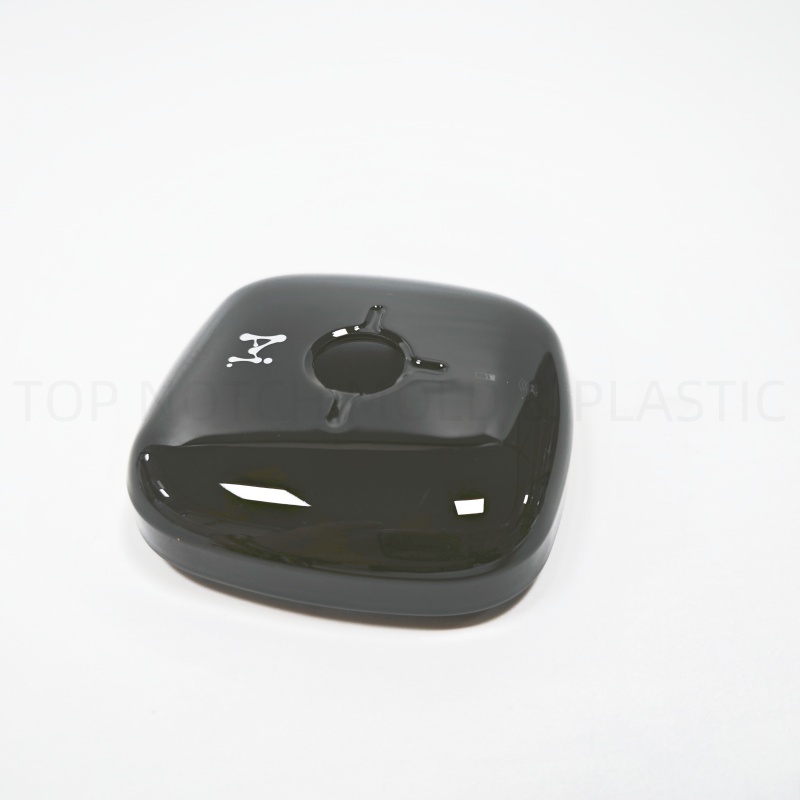
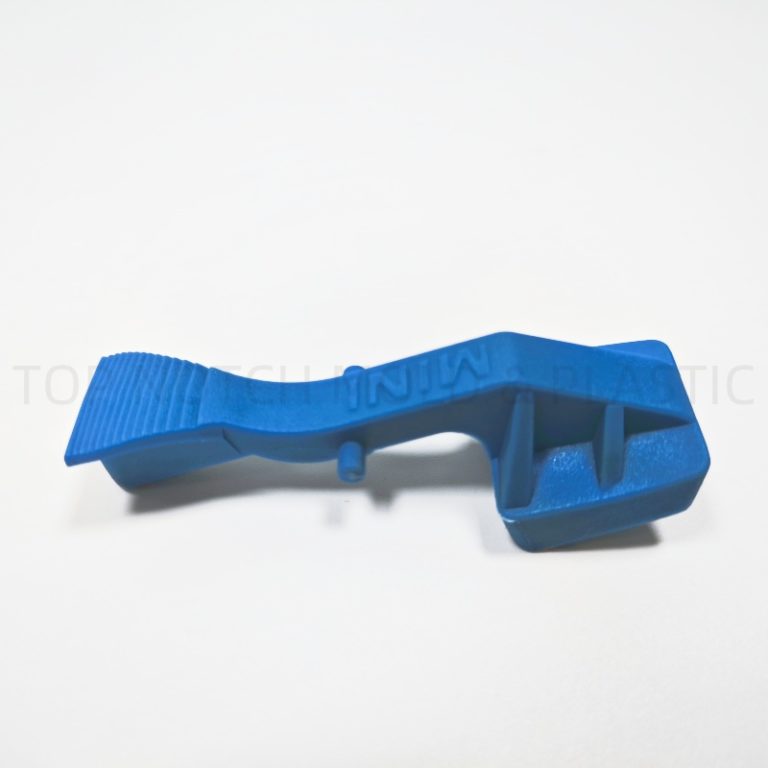
Plastic Components for Medical ECG Devices in Injection Molds
Beschreibung der Form
|
Name
|
Kunststoff-Injeziationsform |
| Material der Form | P20, NAK80, SKD11, S316, S50C,Nr. S45C,718H,718 ,1.2344, Per customer's requirement |
| Formbasis | LKM, HASCO, DME or Per customer's requirement |
| Art der Kunststoffform | 3-Plattenform,2-Plattenform |
| Hohlraum | Einzel-/Mehrfachkavität ,1*1,1+1,1*2,1+1+1,etc |
| Position des Tores | Lüfter-Klappe,Unter-Tor,Pin-Point-Tor,Heißkanal-Nadelverschluss,Öffnen Sie Nozzel |
| Auswurfsystem | Abstreifplatte,Lifter,Schiebestange,Auswurfstift usw. |
| Läufer | Heiß/kalter Typ |
| Kunststoff-Harz-Material | ABS+PC,HDPE, PP, Nylon, SPÄHEN, LDPE, BAUCHMUSKELN, Styrol, Acryl, Acetal, PE, PTFE, PEI, und SPE |
| Lebensdauer der Form | 300,000-500,000-1,000,000 Schüsse |
| Vorlaufzeit | 25-35 Tage nach Erhalt der Anzahlung / und Genehmigung des Formdesigns durch den Kunden |
| Spezifikation | Folgen Sie der 3D-Endzeichnung |
| Details zur Verpackung |
Abdeckung mit Folie für Rostschutz und verpackt mit Holzkiste
|
Details zur Teileproduktion
| Produktmaterial | BAUCHMUSKELN,WIE,PP,PPS,PC,PE,POM,PMMA,PS,HDPE,TPE,TPU usw. |
| Oberflächengüte | Polieren,Textur-Finish,Glänzendes Finish,Gemälde,Slik Druck,Gummilackierung usw. |
| Mindestbestellmenge | 500 PCS |
| Details zur Verpackung | Carton box or wooden Case upon product weight and customer's requirements. |
| Versand | Auf dem Seeweg ,mit dem Zug ,oder auf dem Luftweg nach Kundenwunsch |
| Exportland | Janpan,Europa,USA,Mexiko,Australien,Naher Osten,Korea,Asien usw. |
| Typisch für | Gehäuse, Container, Mützen, Zubehör,einschließlich wie folgt Gehäuse für Elektrowerkzeuge, Einwegrasierer, Elektrische Schalter,Kisten/RecyclingboxenArmaturenbretter für die Automobilindustrie,TV-Schränke,Einheiten zur Inhalation von Drogen,Stoßstangen für Kraftfahrzeuge,Mülltonnen auf Müll ,Spritzen,Telefonhörer ,Spülschalen,DVDs,Flaschendeckel/-verschlüsse,Batteriegehäuse |
| Bandbreite der Märkte | Unterhaltungselektronik,Industrielle Produkte, , Lebensmittelverarbeitung, Luftfahrt, Dichtungen/Dichtungen, Beleuchtung, Verpackung, Filter,Gesundheitswesen, Telekommunikation, mechanisch, Wasseraufbereitung, Gerät, Erholung,Rasen und Garten, erzieherisch, Öl und Gas, Regierung, Konstruktion,Klempnerei, Überwachung, Pumps, Marinesoldat, Motoren, Getriebe, RFID-Etiketten, Elektronik,und Befestigungselemente. |
- Beschreibung
Plastic Components for Medical ECG Devices in Injection Molds: Precision and Reliability in Healthcare
Electrocardiogram (ECG) devices are critical diagnostic tools used in healthcare to monitor and record the electrical activity of the heart. From hospital-grade machines to portable and wearable ECG monitors, the functionality, safety, and durability of these devices depend not only on sophisticated electronics but also on high-precision plastic components. Injection molding has become the preferred method for manufacturing these parts due to its ability to produce consistent, reliable, and intricate plastic components essential for medical applications.
Understanding Plastic Injection Molding for ECG Devices
Plastic injection molding is a manufacturing process in which molten thermoplastic material is injected into a mold cavity under high pressure. After cooling and solidifying, the part is ejected with precise dimensions and surface finish. This method allows manufacturers to produce complex components with tight tolerances, consistent quality, and smooth finishes—all critical for medical devices where patient safety and device reliability are paramount.
Common plastics used in ECG device components include BAUCHMUSKELN (Acrylonitrile Butadiene Styrene), polycarbonate (PC), polypropylene (PP), and medical-grade thermoplastic elastomers (TPE). These materials offer electrical insulation, impact resistance, heat stability, and biocompatibility, ensuring safety and long-term durability in medical environments. Transparent plastics may be used for display covers, while rigid plastics provide structural integrity for housings and protective cases.
Applications of Injection-Molded Plastic Components in ECG Devices
Injection molding is widely applied to produce the following components for ECG devices:
- Outer Housings
- The plastic casing protects delicate internal electronics from mechanical stress, moisture, and contamination.
- Molded housings can incorporate ergonomic grips, compact shapes, and mounting features for portability or desktop use.
- Fire-retardant materials ensure compliance with medical safety standards.
- Control Panels and Button Covers
- Buttons, knobs, and user interfaces are molded to precise dimensions to ensure tactile response and durability.
- Indicator windows and transparent overlays can be integrated directly into the housing for easy reading of ECG results.
- Electrode Holders and Leads Management Components
- Injection-molded parts can include clips, holders, and cable guides that organize electrodes and leads safely.
- Prevents tangling, improves device usability, and protects cables from mechanical damage.
- Battery Compartments and Protective Covers
- Molded battery compartments ensure secure fitting, ease of replacement, and safety during device operation.
- Protective covers can be designed with snap-fit or threaded mechanisms for easy access and reliability.
- Wearable ECG Device Components
- For portable and wearable ECG monitors, injection molding produces flexible housings, soft-touch surfaces, and precise clips or straps.
- Overmolding techniques allow integration of soft TPE grips with rigid PC or ABS frames for comfort and durability.
Advantages of Injection-Molded Plastic Components for ECG Devices
- High Precision and Reliability
- Tight tolerances ensure accurate alignment of components and electrode connections.
- Consistent quality across production batches enhances device reliability in medical environments.
- Durability and Safety
- Molded plastics protect sensitive electronics from impact, dust, moisture, and daily wear.
- Fire-retardant and medical-grade plastics ensure compliance with safety standards.
- Complex Design Capability
- Intricate shapes, integrated cable management, snap-fit assemblies, and ergonomic designs can be produced in a single molding process.
- Reduces assembly time and potential failure points.
- Cost-Efficiency for High-Volume Production
- Multi-cavity molds allow large-scale production with uniform quality.
- Minimizes scrap and reduces production time, lowering overall costs.
- Material Versatility and Customization
- Plastics can be chosen based on required chemical resistance, sterilization compatibility, or transparency.
- Colors, textures, and overmolded soft-touch areas enhance usability and device aesthetics.
Key Considerations in Mold Design for ECG Device Components
- Material Selection
- Materials must be biocompatible, flame-retardant, and resistant to cleaning chemicals.
- Transparent plastics are used for display windows or indicator panels.
- Wall Thickness and Structural Integrity
- Uniform wall thickness ensures dimensional stability and prevents warping or shrinkage.
- Critical for components housing delicate electronics.
- Surface Finish and Cleanability
- Smooth surfaces reduce dust and dirt accumulation.
- Textured areas can provide improved grip and ergonomics for handheld or wearable devices.
- Cooling and Cycle Optimization
- Well-designed cooling channels ensure consistent dimensions and minimize cycle times.
- Reduces internal stresses, maintaining device integrity and long-term performance.
- Overmolding and Multi-Material Options
- Soft-touch grips, ergonomic edges, or flexible clips can be overmolded on rigid components.
- Combines comfort, safety, and durability without additional assembly.
Trends in Injection-Molded ECG Components
- Wearable and Portable Devices
- Compact, lightweight housings for portable ECG monitors require precision micro-molding.
- Soft-touch, ergonomic overmolds improve user comfort and device adherence.
- Integration with Electronics and IoT
- Molded housings now accommodate advanced electronics, wireless modules, and smart sensors.
- Precise cavity design ensures proper alignment and protection of micro-components.
- Eco-Friendly Materials
- Use of recyclable and bio-based plastics is increasingly common for environmentally conscious manufacturing.
- Enhanced Regulatory Compliance
- Molded components are designed to meet medical safety standards including ISO 13485, IEC 60601, and FDA requirements.
Conclusion
Injection molding is a critical manufacturing process for producing plastic components in medical ECG devices. From housings and control panels to electrode holders and wearable device enclosures, molded plastics provide precision, durability, and design flexibility essential for medical applications.
With careful material selection, advanced mold engineering, and stringent quality control, manufacturers can produce high-volume, consistent, and safe components that protect electronics, enhance usability, and ensure reliability. As ECG technology evolves, including portable and wearable monitoring solutions, injection-molded plastics will continue to play a pivotal role in enabling innovative, durable, and user-friendly medical devices.
Kunststoffteile Fotos, Medizinprodukte Kunststoff-Spritzguss, Nackenbügel Kopfhörer Spritzguss, Nackenbügel Kopfhörer Kunststoffform, Nackenbügel-Ohrhörer, Hals Bluetooth Headset Formen, Kunststoff-Form, Kunststoff-Spritzgussform
ANFRAGE SENDEN
Verwandte Produkte
© 2025 www.tpi-mould.com. All rights reserved by Top Notch Mold & Tool Co'Ltd
Powered by Wpboss