
WhatsApp/Wechat:86-138-2878-1334


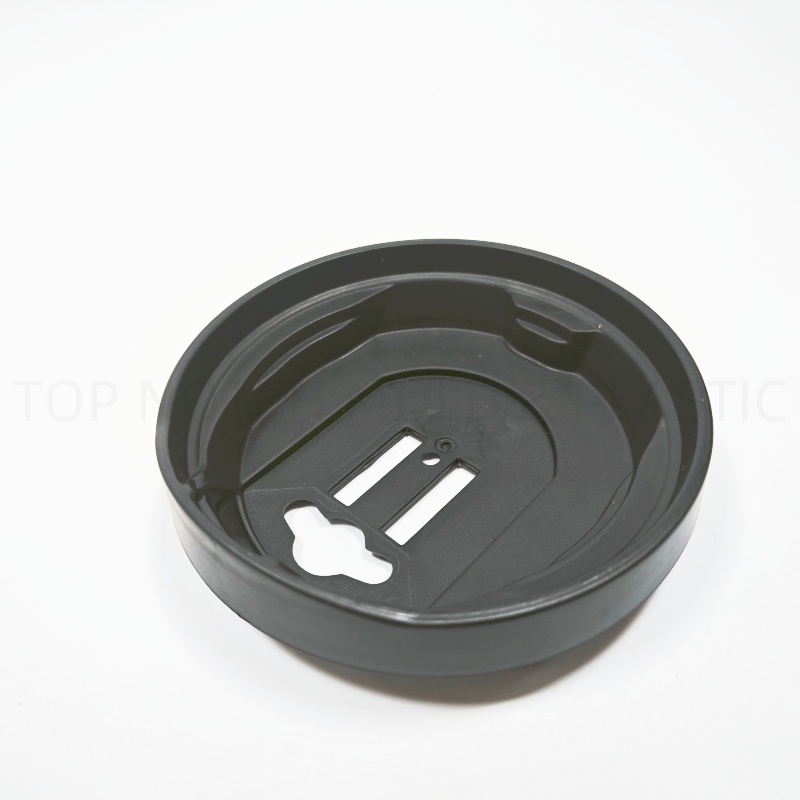
Plastic Drinking Water Lid Injection Mold
Beschreibung der Form
|
Name
|
Kunststoff-Injeziationsform |
| Material der Form | P20, NAK80, SKD11, S316, S50C,Nr. S45C,718H,718 ,1.2344, Per customer's requirement |
| Formbasis | LKM, HASCO, DME or Per customer's requirement |
| Art der Kunststoffform | 3-Plattenform,2-Plattenform |
| Hohlraum | Einzel-/Mehrfachkavität ,1*1,1+1,1*2,1+1+1,etc |
| Position des Tores | Lüfter-Klappe,Unter-Tor,Pin-Point-Tor,Heißkanal-Nadelverschluss,Öffnen Sie Nozzel |
| Auswurfsystem | Abstreifplatte,Lifter,Schiebestange,Auswurfstift usw. |
| Läufer | Heiß/kalter Typ |
| Kunststoff-Harz-Material | ABS+PC,HDPE, PP, Nylon, SPÄHEN, LDPE, BAUCHMUSKELN, Styrol, Acryl, Acetal, PE, PTFE, PEI, und SPE |
| Lebensdauer der Form | 300,000-500,000-1,000,000 Schüsse |
| Vorlaufzeit | 25-35 Tage nach Erhalt der Anzahlung / und Genehmigung des Formdesigns durch den Kunden |
| Spezifikation | Folgen Sie der 3D-Endzeichnung |
| Details zur Verpackung |
Abdeckung mit Folie für Rostschutz und verpackt mit Holzkiste
|
Details zur Teileproduktion
| Produktmaterial | BAUCHMUSKELN,WIE,PP,PPS,PC,PE,POM,PMMA,PS,HDPE,TPE,TPU usw. |
| Oberflächengüte | Polieren,Textur-Finish,Glänzendes Finish,Gemälde,Slik Druck,Gummilackierung usw. |
| Mindestbestellmenge | 500 PCS |
| Details zur Verpackung | Carton box or wooden Case upon product weight and customer's requirements. |
| Versand | Auf dem Seeweg ,mit dem Zug ,oder auf dem Luftweg nach Kundenwunsch |
| Exportland | Janpan,Europa,USA,Mexiko,Australien,Naher Osten,Korea,Asien usw. |
| Typisch für | Gehäuse, Container, Mützen, Zubehör,einschließlich wie folgt Gehäuse für Elektrowerkzeuge, Einwegrasierer, Elektrische Schalter,Kisten/RecyclingboxenArmaturenbretter für die Automobilindustrie,TV-Schränke,Einheiten zur Inhalation von Drogen,Stoßstangen für Kraftfahrzeuge,Mülltonnen auf Müll ,Spritzen,Telefonhörer ,Spülschalen,DVDs,Flaschendeckel/-verschlüsse,Batteriegehäuse |
| Bandbreite der Märkte | Unterhaltungselektronik,Industrielle Produkte, , Lebensmittelverarbeitung, Luftfahrt, Dichtungen/Dichtungen, Beleuchtung, Verpackung, Filter,Gesundheitswesen, Telekommunikation, mechanisch, Wasseraufbereitung, Gerät, Erholung,Rasen und Garten, erzieherisch, Öl und Gas, Regierung, Konstruktion,Klempnerei, Überwachung, Pumps, Marinesoldat, Motoren, Getriebe, RFID-Etiketten, Elektronik,und Befestigungselemente. |
- Beschreibung
Plastic Drinking Water Lid Injection Mold: Design, Materials, and Manufacturing
Plastic drinking water lids are essential components in beverage packaging, providing safety, convenience, and spill prevention. Plastic drinking water lid injection mold technology enables manufacturers to produce high-quality, durable, and consistent lids for bottles, cups, and reusable containers. Injection molding allows for precise design, high-volume production, and customizable features such as flip tops, screw threads, and integrated seals.
This article introduces plastic drinking water lid injection mold, discussing mold design, material selection, injection molding processes, finishing, assembly, quality assurance, and applications.
1. Introduction to Drinking Water Lid Injection Molding
Plastic injection molding is the most widely used manufacturing method for drinking water lids due to its efficiency, precision, and cost-effectiveness. Modern lids often require multiple functional features such as threads, flip tops, ergonomic grips, or integrated seals, all of which can be incorporated during molding.
The primary goals of plastic drinking water lid injection mold include:
- Dimensional accuracy: Ensuring proper fit with bottle necks or cup threads.
- Durability: Withstanding repeated opening, closing, and transportation.
- Safety and hygiene: Using food-grade materials that prevent contamination.
- Aesthetic appeal: Smooth finishes, consistent color, and ergonomic design.
Injection molding allows these features to be produced in high volumes with consistent quality.
2. Mold Design for Drinking Water Lids
Mold design is critical in producing durable, functional, and precise plastic drinking water lids.
2.1 Core Mold Elements
- Cavities and cores: Precisely machined to form threads, flip-top mechanisms, or integrated seals.
- Gate and runner systems: Optimized for even filling and to prevent air traps, sink marks, or voids.
- Auswurfsystem: Ejector pins or sleeves are carefully placed to avoid visible marks on cosmetic surfaces.
- Cooling channels: Maintain uniform cooling to prevent warping, shrinkage, or dimensional deviations.
2.2 Design Considerations
- Thread design: Precise screw threads ensure tight seals and leak-proof performance.
- Wall thickness: Uniform thickness improves strength and reduces warping.
- Functional features: Flip tops, straw openings, or snap-fit seals can be integrated.
- Ergonomics: Mold textures or smooth finishes improve user comfort and grip.
A well-designed mold ensures that drinking water lids are functional, durable, and visually appealing.
3. Material Selection for Drinking Water Lid Injection Mold
Material selection is essential in plastic drinking water lid injection mold because lids must be food-safe, durable, and resistant to repeated use.
3.1 Common Materials
- Polypropylene (PP): Lightweight, food-safe, and chemically resistant; ideal for bottle caps and reusable lids.
- Polyethylene (PE): Flexible and safe for food contact; often used for soft-touch or seal components.
- BAUCHMUSKELN (Acrylonitrile Butadiene Styrene): Strong and impact-resistant for snap-fit or flip-top mechanisms.
- TPE (Thermoplastic Elastomer): Soft, flexible material for gaskets or ergonomic grips.
3.2 Material Considerations
- Food-grade certification is mandatory for safe drinking water contact.
- UV resistance may be required for outdoor bottles.
- Durability ensures lids withstand repeated opening, closing, and cleaning.
Proper material selection ensures longevity, safety, and user comfort.
4. Injection Molding Process for Drinking Water Lids
The injection molding process for drinking water lids is highly controlled to produce precise and consistent parts.
4.1 Plastic Melting and Injection
Plastic granules are melted and injected into mold cavities under controlled pressure and temperature. Uniform flow prevents voids, sink marks, or defects, which is critical for functional threads and sealing features.
4.2 Cooling and Solidification
Uniform cooling ensures dimensional stability and prevents warping of thin-walled lids. Cooling channel design is essential to maintain consistent cycle times and part quality.
4.3 Part Ejection
Once solidified, ejector pins or sleeves remove lids from the mold without damaging threads, flip tops, or cosmetic surfaces.
4.4 Multikavitäten-Formen
Multi-cavity molds can produce several lids in a single cycle, increasing efficiency and reducing production costs while maintaining uniform quality.
5. Surface Finishing and Functional Features
Plastic drinking water lids often include finishing and functional enhancements:
- Texturing: Improves grip for easier opening and closing.
- Over-molding or soft-touch coatings: Applied to flip tops or ergonomic areas.
- Decorative or branding prints: Logos, measurement marks, or patterns applied through pad printing or laser marking.
- Seals and gaskets: Integrated or over-molded components prevent leakage.
Surface finishes improve both aesthetics and usability, enhancing user experience.
6. Assembly of Injection Molded Lids
Some drinking water lids require assembly after molding, particularly for multi-component or flip-top designs.
6.1 Mechanical Assembly
- Flip-top mechanisms, hinges, or straw openings may be snapped or fitted post-molding.
- Seals or gaskets may be inserted for enhanced leak protection.
6.2 Secondary Operations
- Decorative markings or color coding may be applied for branding or functionality.
- Over-molding or adhesive bonding may secure soft-touch components.
Proper assembly ensures leak-proof, durable, and ergonomic lids.
7. Quality Assurance in Drinking Water Lid Injection Mold
Quality control ensures that plastic drinking water lids meet functional, safety, and aesthetic standards.
7.1 Dimensional and Visual Inspection
- Check thread dimensions to ensure proper fit with bottles.
- Inspect surface for scratches, flash, sink marks, or deformation.
7.2 Functional Testing
- Test flip-top or screw-top mechanisms for repeated opening and closing cycles.
- Confirm sealing performance to prevent leaks.
7.3 Process Monitoring
- Monitor injection temperature, pressure, and cooling cycles to maintain consistent quality.
- Statistical process control (SPC) ensures uniformity across high-volume production.
8. Applications of Plastic Drinking Water Lid Injection Mold
Plastic drinking water lid injection mold technology is used in:
- Disposable water bottles: Screw-on or snap-fit lids for hygiene and convenience.
- Reusable bottles: Durable flip tops, integrated straws, or soft-touch grips.
- Sports bottles: Ergonomic, leak-proof designs with enhanced grip.
- Cups and containers: Lids with snap-fit seals or pour spouts for beverages.
Injection molding allows high-volume production of consistent, reliable, and user-friendly lids.
9. Advantages of Injection Molded Drinking Water Lids
- High precision: Ensures leak-proof fit and functional threads.
- High-volume production: Multi-cavity molds reduce cycle time and cost.
- Material versatility: Supports rigid, soft-touch, or over-molded components.
- Durability: Resistant to repeated opening, closing, and cleaning.
- Design flexibility: Supports custom shapes, textures, and ergonomic features.
10. Conclusion
Plastic drinking water lid injection mold technology is essential for producing high-quality, safe, and functional lids for bottles, cups, and containers. From mold design and material selection to injection molding, surface finishing, and assembly, each step ensures lids meet dimensional, functional, and aesthetic standards.
By leveraging advanced mold design, multi-cavity production, soft-touch over-molding, and rigorous quality control, manufacturers can produce durable, leak-proof, ergonomic, and visually appealing drinking water lids suitable for both disposable and reusable applications. Plastic drinking water lid injection molding remains a cornerstone in modern beverage packaging and consumer product manufacturing.
Kunststoffteile Fotos, Unterhaltungselektronik, Smart Home Produkte, Baby-/Mama-Produkte Kunststoff-Spritzguss, Nackenbügel Kopfhörer Spritzguss, Nackenbügel Kopfhörer Kunststoffform, Nackenbügel-Ohrhörer, Hals Bluetooth Headset Formen, Kunststoff-Form, Kunststoff-Spritzgussform
ANFRAGE SENDEN
Verwandte Produkte
© 2025 www.tpi-mould.com. All rights reserved by Top Notch Mold & Tool Co'Ltd
Powered by Wpboss