
WhatsApp/Wechat:86-138-2878-1334


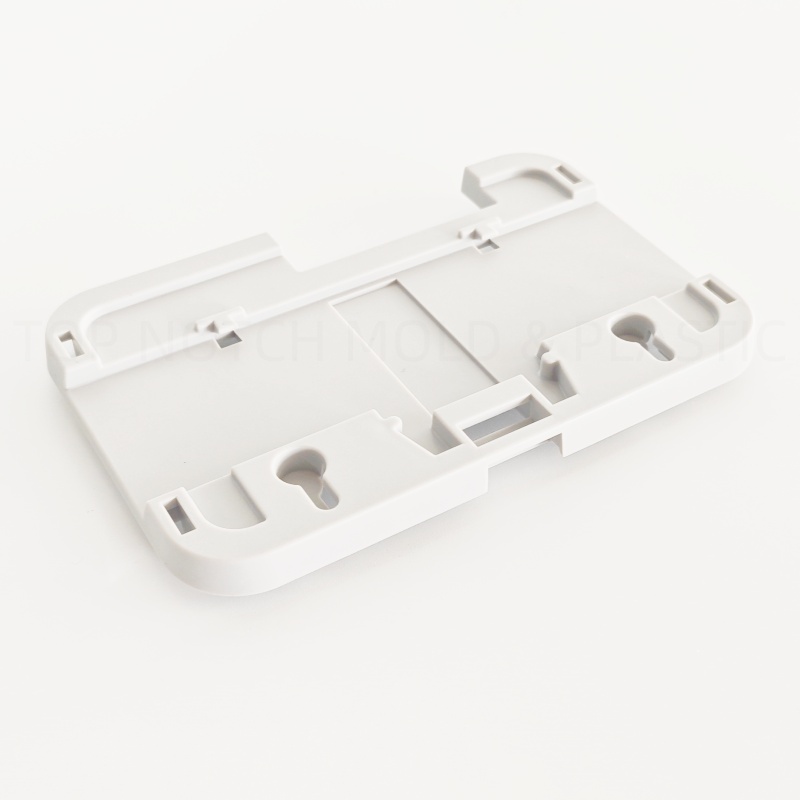
Plastic Detector Products in Injection Mold
Mold Description
|
Nombre
|
Plastic Injecition Mold |
| Mould Material | P20,NAK80,SKD11,S316,S50C,S45C,718H,718 ,1.2344, Per customer's requirement |
| Mould base | LKM, HASCO, DME or Per customer's requirement |
| Type of plastic mold | 3-plate mold,2-plate mold |
| Cavity | Single/Multi cavity ,1*1,1+1,1*2,1+1+1,etc |
| Gate Position | Fan gate,Sub gate,Pin Point gate,Hot Runner Valve Gate,Open Nozzel |
| Ejection system | Stripper plate,Lifter,Push Bar,Ejection Pin etc |
| Runner | Hot/cold type |
| Plastic Resin Material | ABS+PC,HDPE, PP, nylon, PEEK, LDPE, ABS, styrene, acrylic, acetal, PE, PTFE, PEI, and PES |
| Mould life | 300,000-500,000-1,000,000 shots |
| Lead time | 25-35 days after deposit received/and mold design is approved by customer |
| Specification | Follow the 3D final drawing |
| Packaging details |
Covering with film for anti rust and packed with wooden Case
|
Parts Production Details
| Product Material | ABS,AS,PP,PPS,PC,PE,POM,PMMA,PS,HDPE,TPE,TPU etc |
| Surface finish | Polishing finish,Texture Finish,Glossy Finish,Pintura,Slik print,Rubber Painting etc |
| MOQ | 500 PCS |
| Packaging details | Carton box or wooden Case upon product weight and customer's requirements. |
| Shipping | By sea ,by train ,or by air as customer requirement |
| Export Country | Janpan,Europe,USA,Mexico,Australia,Middle East,Korea,Asia etc |
| Typical Used For | Housings, containers, caps, fittings,including as below Power-tool housing, Disposable razors, Electrical Switches,Crates/Recycling boxesAutomotive dash boards,Television Cabinets,Drug Inhalation Units,Automotive bumpers,Wheelie bins ,Syringes,Telephone handsets ,Washing-up bowls,DVDs,Bottle Lids/closures,Battery Casings |
| Range of markets | consumer electronics,industrial products, , food processing, aviation, seals/gaskets, lighting, packaging, filter,healthcare, telecommunications, mechanical, water treatment, appliance, recreation,lawn and garden, educational, oil and gas, government, construction,plumbing, surveillance, pumps, marine, motors, gears, RFID tags, electronics,and fasteners. |
- Description
Plastic Detector Products in Injection Mold: Ensuring Safety Through Precision Manufacturing
Modern safety systems rely heavily on a variety of detectors, including gas detectors, air quality monitors, smoke detectors, and advanced water-leak smoke detectors. These devices play an essential role in protecting lives and property by providing early warnings for hazardous conditions. While the internal electronic components are critical to functionality, the plastic housings and components manufactured through injection molding are equally important for durability, precision, and user safety. Plastic injection molding allows manufacturers to produce consistent, high-quality parts that protect sensitive electronics, enable ergonomic designs, and support mass production.
Understanding Plastic Injection Molding for Detector Products
Plastic injection molding is a process in which molten thermoplastic material is injected into a precisely engineered mold cavity under high pressure. Once the material cools and solidifies, the mold is opened, and the finished component is ejected. This process enables the production of components with high precision, consistent dimensions, and smooth finishes, all of which are essential for detector products used in safety-critical applications.
Common plastics used for detector housings include ABS, polycarbonate (PC), polypropylene (PP), and high-impact medical or flame-retardant grades. These materials offer excellent durability, resistance to environmental factors, and electrical insulation. Transparent or semi-transparent plastics are often used for parts like display windows or indicator covers, while opaque plastics are preferred for structural components.
Applications of Injection-Molded Plastic Components in Detector Products
Injection molding is widely used to manufacture the plastic components of several types of detectors:
- Gas Detectors
- Detect flammable, toxic, or hazardous gases in industrial, commercial, or residential settings.
- Molded plastic housings provide a sturdy enclosure to protect sensitive gas sensors and electronic circuits.
- Components such as sensor holders, air channels, and control panel frames are precisely molded for consistent alignment and performance.
- Air Quality Detectors
- Monitor particulate matter, VOCs (volatile organic compounds), carbon dioxide, or other air pollutants.
- Transparent windows and display covers are molded for visibility and clarity.
- Molded vents and grilles allow airflow while shielding internal components from dust and debris.
- Smoke Detectors
- Essential in homes, offices, and industrial buildings to detect fire hazards.
- Molded housings provide fire-resistant protection, ensuring that sensitive detection components remain functional.
- Snap-fit designs, mounting brackets, and cover locks are integrated directly into the mold to simplify assembly and maintenance.
- Water-Leak Detecting Smoke Detectors
- Combine smoke detection with sensors for water leaks, providing dual safety functionality.
- Molded components include separate compartments for electronics, water sensors, and smoke chambers, requiring precise mold design for multiple functional areas.
- Overmolding or multi-material molding can create soft-touch areas, waterproof seals, and ergonomic features for easy handling and installation.
Advantages of Injection-Molded Plastic Detector Components
- High Precision and Reliability
- Injection molding ensures consistent dimensions and tight tolerances, which are critical for proper alignment of sensors and electrical components.
- Reduces assembly errors and enhances the reliability of safety devices.
- Durable and Impact-Resistant
- Molded plastics protect internal electronics from environmental hazards such as dust, moisture, heat, and mechanical shocks.
- Flame-retardant grades improve fire safety compliance for smoke and gas detectors.
- Design Flexibility
- Complex geometries, vents, mounting brackets, snap-fits, and aesthetic features can be integrated into a single molded part.
- Ergonomic designs and compact forms are achievable without secondary operations, reducing assembly time.
- Mass Production Efficiency
- Multi-cavity molds allow high-volume production of identical components with consistent quality.
- Automated injection molding reduces labor costs and shortens lead times, enabling fast deployment of safety devices.
- Cost-Effectiveness
- High repeatability and low scrap rates make injection molding a cost-efficient choice for both small and large-scale production.
- Reduces the need for secondary machining or assembly of complex parts.
Key Considerations in Mold Design for Detector Products
- Material Selection
- Flame-retardant, UV-resistant, or chemically resistant plastics are often required depending on the application environment.
- Transparent plastics may be used for display panels or indicator covers.
- Wall Thickness and Flow Optimization
- Uniform wall thickness prevents warping, sink marks, and dimensional inconsistencies.
- Optimized gating and runner systems ensure complete filling of the mold, particularly for intricate components such as sensor compartments.
- Surface Finish
- Smooth finishes protect against dust accumulation and improve aesthetic appeal.
- Textured areas or soft-touch overmolded surfaces enhance grip and ergonomics.
- Cooling and Cycle Efficiency
- Properly designed cooling channels maintain dimensional stability and minimize cycle times.
- Reduces internal stresses and warping, which is crucial for precision detector components.
- Multi-Material and Overmolding Options
- Overmolding soft materials onto rigid housings can create waterproof seals, ergonomic grips, or protective bumpers.
- Supports complex functional features while maintaining structural integrity.
Trends in Injection-Molded Detector Components
- Smart Detection Devices
- Increasing integration of electronics requires precise molded housings that accommodate microcontrollers, sensors, and wireless modules.
- Compact and Modular Designs
- Miniaturization of detectors for residential and industrial applications demands micro-precision molds.
- Sustainable Materials
- Growing use of recyclable or environmentally friendly plastics aligns with modern manufacturing and regulatory standards.
- Enhanced Safety Compliance
- Molded components are increasingly designed to meet fire, chemical, and electrical safety standards, enhancing device reliability.
Conclusion
Plastic injection molding plays a pivotal role in the production of detector products such as gas detectors, air quality monitors, smoke detectors, and water-leak smoke detectors. Precision-molded components protect sensitive electronics, enable ergonomic and functional designs, and ensure the reliability of safety-critical devices.
With careful material selection, advanced mold engineering, and strict quality control, manufacturers can deliver high-volume, consistent, and durable detector housings. As safety and monitoring technologies continue to advance, injection molding remains a cornerstone of manufacturing, providing reliable and cost-effective solutions for protecting lives and property.
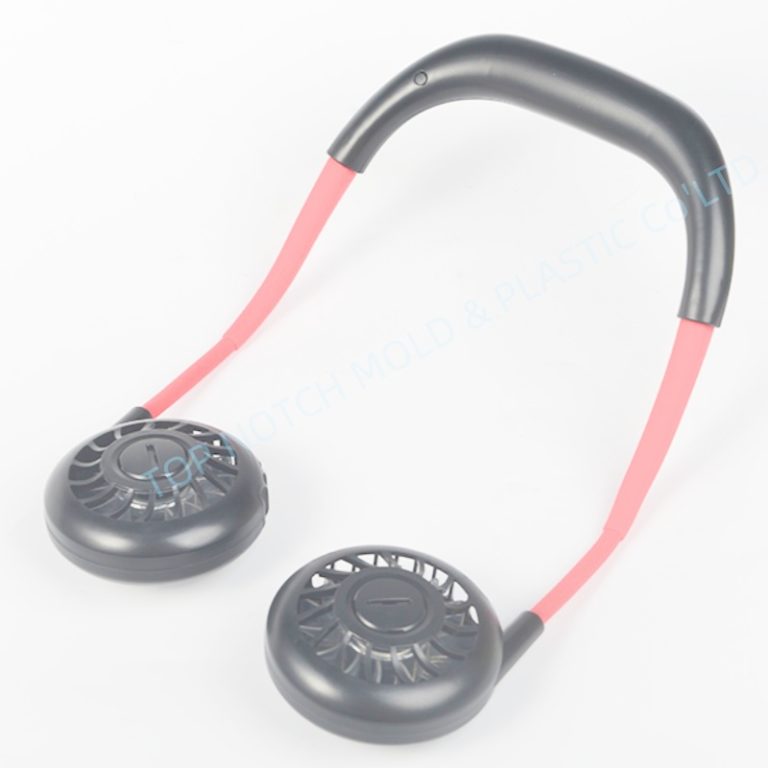
Fotos de piezas de plástico, Consumer Electronic plastic injection molding, neckband headphones injection mold, neckband earphones plastic mold, neckband earbuds, neck bluetooth headset molds, plastic mold, plastic injection mold
SEND INQUIRY
Related Products
© 2025 www.tpi-mould.com. All rights reserved by Top Notch Mold & Tool Co'Ltd
Funciona con Wpboss