
WhatsApp/Wechat:86-138-2878-1334


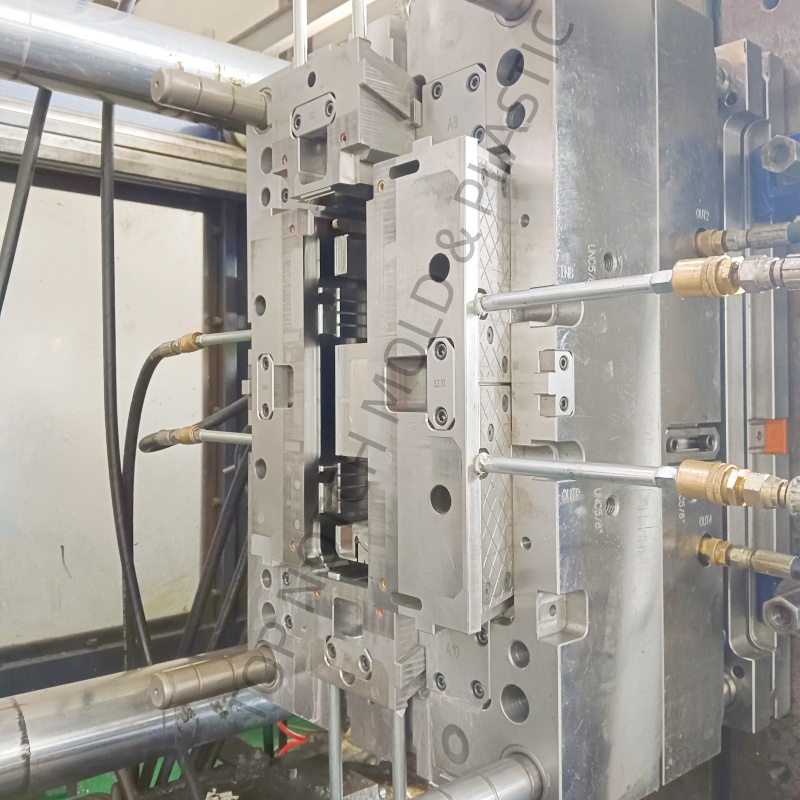
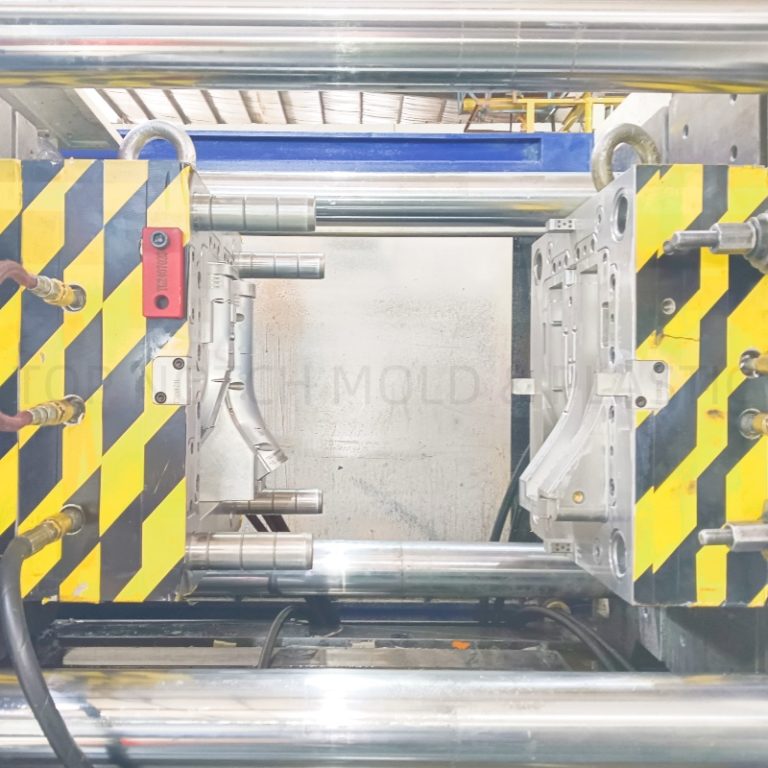
Automotive Interior Parts Injection Mold
Description du moule
|
Nom
|
Moule à induction plastique |
| Matériau du moule | P20, NAK80, SKD11, S316, S50C,S45C,718H,718 ,1.2344, Per customer's requirement |
| Base du moule | LKM, HASCO, DME or Per customer's requirement |
| Type de moule en plastique | 3-moule à plaque,2-moule à plaque |
| Cavité | Simple/Multi cavité ,1*1,1+1,1*2,1+1+1,etc |
| Position de la porte | Porte du ventilateur,Sous-porte,Porte à point d’épingle,Vanne à canal chaud,Ouvrez Nozzel |
| Système d’éjection | Plaque de décapage,Lifter,Barre de poussée,Goupille d’éjection, etc. |
| Coureur | Type chaud/froid |
| Matériau en résine plastique | ABS+PC,PEHD, PP, nylon, REGARDER, PEBD, ABS, styrène, acrylique, acétal, PE, PTFE, PEI, et PES |
| Durée de vie du moule | 300,000-500,000-1,000,000 Coups |
| Delai | 25-35 jours après la réception du dépôt et l’approbation de la conception du moule par le client |
| Spécification | Suivez le dessin final en 3D |
| Détails de l’emballage |
Revêtement avec un film antirouille et emballé avec une caisse en bois
|
Détails de la production des pièces
| Matériau du produit | ABS,COMME,PP,PPS,PC,PE,POM,Le PMMA,PS,PEHD,TPE,TPU, etc. |
| Finition de surface | Finition de polissage,Finition texturée,Finition brillante,Peinture,Imprimé Slik,Peinture en caoutchouc, etc. |
| MOQ | 500 PC |
| Détails de l’emballage | Carton box or wooden Case upon product weight and customer's requirements. |
| Livraison | Par voie maritime ,En train ,ou par voie aérienne selon les besoins du client |
| Pays d’exportation | Janpan,Europe,ÉTATS-UNIS,Mexique,Australie,Moyen-Orient,Corée,l’Asie, etc. |
| Typique utilisé pour | Boîtiers, Conteneurs, Casquettes, raccords,y compris comme ci-dessous Boîtier d’outil électrique, Rasoirs jetables, Interrupteurs électriques,Caisses/Boîtes de recyclageTableaux de bord automobiles,Meubles de télévision,Unités d’inhalation de drogues,Pare-chocs automobiles,Poubelles à roulettes ,Seringues,Combinés téléphoniques ,Bols à vaisselle,Les DVD,Couvercles/fermetures de bouteilles,Boîtiers de batterie |
| Gamme de marchés | Électronique grand public,Produits industriels, , Traitement des aliments, aviation, Joints/joints d’étanchéité, éclairage, emballage, filtre,Santé, télécommunication, mécanique, traitement de l’eau, appareil, récréation,pelouse et jardin, éducatif, Pétrole et gaz, gouvernement, construction,plomberie, surveillance, Pompes, marin, Moteurs, Engrenages, Étiquettes RFID, électronique,et fixations.couvercle de la batterie ,Conteneur de batterie,générateur de batterie,Banque d’alimentation par batterie,balance fan plastic injection mould for helicopter,plastic injection mold for Agriculture and farming helicopter ,plastic injection mold for smart home and cleaning products |
- Description
Automotive Interior Parts Injection Mold: Precision, Materials, and Applications
Injection molding is a cornerstone of modern automotive manufacturing, particularly in the production of high-quality interior components. Automotive interior parts injection mold technology enables manufacturers to create durable, aesthetically pleasing, and functional plastic components for dashboards, door panels, center consoles, and decorative trims. By combining precision mold design, advanced materials, and strict quality control, injection molding ensures that automotive interior parts meet both functional and visual requirements for comfort, safety, and design.
This article provides a comprehensive introduction to automotive interior parts injection mold, covering mold design, material selection, manufacturing process, surface finishing, quality assurance, and applications.
1. Introduction to Automotive Interior Injection Molding
The automotive industry relies heavily on injection molding to produce complex interior components efficiently and consistently. Components such as dashboards, armrests, cup holders, door trims, and instrument panels require precise molding to maintain fit, function, and aesthetic appeal.
The primary goals of automotive interior parts injection mold include:
- Dimensional precision: Ensuring parts fit accurately within the vehicle assembly.
- Durability: Withstanding mechanical stress, temperature variations, and UV exposure.
- Aesthetic quality: Providing smooth surfaces, color consistency, and decorative finishes.
- High-volume production: Supporting mass production while maintaining quality standards.
2. Mold Design for Automotive Interior Parts
The design of molds for automotive interiors is critical to achieving the required precision and finish.
2.1 Core Components
- Cavities and cores: Machined with high precision to form the detailed shapes of dashboards, panels, and trims.
- Runner and gate systems: Optimized to ensure uniform material flow and reduce defects such as sink marks or voids.
- Ejection mechanisms: Ejector pins, plates, or sleeves carefully positioned to avoid visible marks on cosmetic surfaces.
- Cooling channels: Ensure uniform solidification to prevent warping and maintain dimensional accuracy.
2.2 Design Considerations
- Wall thickness: Uniform wall thickness reduces warpage and ensures consistent appearance.
- Ribs and bosses: Provide structural reinforcement while maintaining light weight.
- Draft angles: Facilitate easy ejection without damaging the part.
- Texturing and surface finish: Decorative textures, such as leather-like finishes or matte surfaces, can be integrated directly into the mold.
3. Material Selection for Interior Injection Mold Parts
Choosing the right plastic material is crucial in automotive interior parts injection mold, balancing durability, aesthetics, and functional performance.
3.1 Common Automotive Plastics
- ABS (Acrylonitrile Butadiene Styrene): Durable, impact-resistant, and suitable for decorative trims.
- Polycarbonate (PC): Strong and transparent, ideal for instrument panels and display housings.
- Polypropylene (PP): Lightweight and chemically resistant, commonly used for non-structural panels.
- TPV/TPE (Thermoplastic Elastomers): Soft-touch materials for armrests, grips, and control knobs.
3.2 Additives and Finishes
- UV stabilizers: Protect parts from sunlight and fading.
- Flame retardants: Meet automotive safety regulations for interior components.
- Color masterbatches: Ensure uniform color and consistency across all parts.
Proper material selection ensures longevity, functionality, and a premium feel for interior surfaces.
4. Injection Molding Process
The automotive interior parts injection mold process follows standard injection molding steps, tailored to high-precision and cosmetic requirements.
4.1 Plastic Melting and Injection
Plastic pellets are melted and injected under high pressure into the mold. Optimized injection parameters prevent voids, sink marks, or flow lines, which are especially critical for visible surfaces.
4.2 Cooling and Solidification
Uniform cooling is essential to maintain dimensional stability and prevent warping of large interior panels. Cooling channel design and cycle time optimization play a significant role.
4.3 Ejection
Ejector pins or plates remove molded parts carefully to prevent surface blemishes or scratches. Cosmetic quality is particularly important for dashboard and door trim components.
4.4 Secondary Processes
Some automotive interior parts may undergo secondary operations, including:
- Surmoulage: Adding soft-touch or functional layers.
- Painting or coating: Decorative finishes, woodgrain textures, or metallic coatings.
- Assemblée: Joining multiple molded components or adding inserts.
5. Surface Finishing and Decoration
A key aspect of automotive interior parts injection mold is achieving high-quality surfaces. Techniques include:
- Texturing: Leather-like textures, matte finishes, or patterned designs integrated into the mold.
- Hot stamping: Applying metallic foils or decorative patterns for aesthetic enhancement.
- Pad printing or laser marking: Logos, icons, or functional markings for buttons and panels.
- Soft-touch over-molding: Adding TPE or TPV layers for ergonomic grips and control knobs.
These finishes enhance both the functionality and visual appeal of the interior components.
6. Quality Assurance in Automotive Interior Parts Injection Mold
Quality control ensures that interior components meet strict automotive standards for durability, aesthetics, and safety.
6.1 Dimensional Inspection
- Calipers, gauges, and coordinate measuring machines (CMM) verify dimensions and tolerances.
- Ensures proper fit within vehicle assemblies.
6.2 Visual and Cosmetic Checks
- Detect surface defects such as sink marks, flash, or uneven textures.
- Verify color consistency and decorative finishes.
6.3 Functional Testing
- Test snap-fits, assembly engagement, and mechanical strength.
- Evaluate wear resistance and durability under environmental conditions such as temperature, humidity, and UV exposure.
6.4 Process Control
- Monitor injection parameters like temperature, pressure, and cooling time.
- Use statistical process control (SPC) to detect and correct deviations.
7. Applications of Automotive Interior Injection Mold Parts
Automotive interior parts injection mold technology is applied in various vehicle components:
- Dashboards and instrument panels: High-precision molded panels with integrated textures and displays.
- Door trims and armrests: Durable and ergonomic surfaces with soft-touch elements.
- Center consoles and cup holders: Complex geometries requiring precision molding.
- Control knobs and buttons: Over-molded for ergonomic grip and tactile feedback.
- Decorative trims: Woodgrain, metallic, or leather-like finishes integrated directly into molded parts.
These components contribute to both functionality and aesthetics, creating a comfortable and premium interior environment.
8. Advantages of Automotive Interior Injection Mold Technology
- High precision: Maintains tight tolerances for fit and function.
- Efficiency: Multi-cavity molds enable high-volume production with consistent quality.
- Material versatility: Enables combination of rigid and soft-touch materials for ergonomic and functional designs.
- Cost-effective: Reduces secondary assembly and finishing operations.
- Enhanced aesthetics: Mold-integrated textures, colors, and over-molded surfaces create premium looks and feel.
9. Conclusion
Automotive interior parts injection mold technology is essential for producing high-quality, durable, and visually appealing vehicle components. From mold design and material selection to precise injection molding, surface finishing, and rigorous quality control, each step ensures that interior parts meet both functional and aesthetic standards.
By leveraging advanced mold design, multi-material injection, over-molding, and decorative finishing techniques, manufacturers can produce dashboards, door trims, consoles, knobs, and decorative panels that enhance comfort, ergonomics, and style. Automotive interior parts injection mold remains a cornerstone of modern vehicle manufacturing, combining efficiency, precision, and premium aesthetics in every component.
Pièces automobiles injection mould, Moulage par injection plastique, injection molding solutions, plastic production, contract manufacturing, moule en plastique, moule d’injection plastique, plastic injection mold for Agriculture and farming helicopter
ENVOYER UNE DEMANDE
Produits connexes
© 2025 www.tpi-mould.com. All rights reserved by Top Notch Mold & Tool Co'Ltd
Alimenté par Wpboss