
WhatsApp/Wechat:86-138-2878-1334


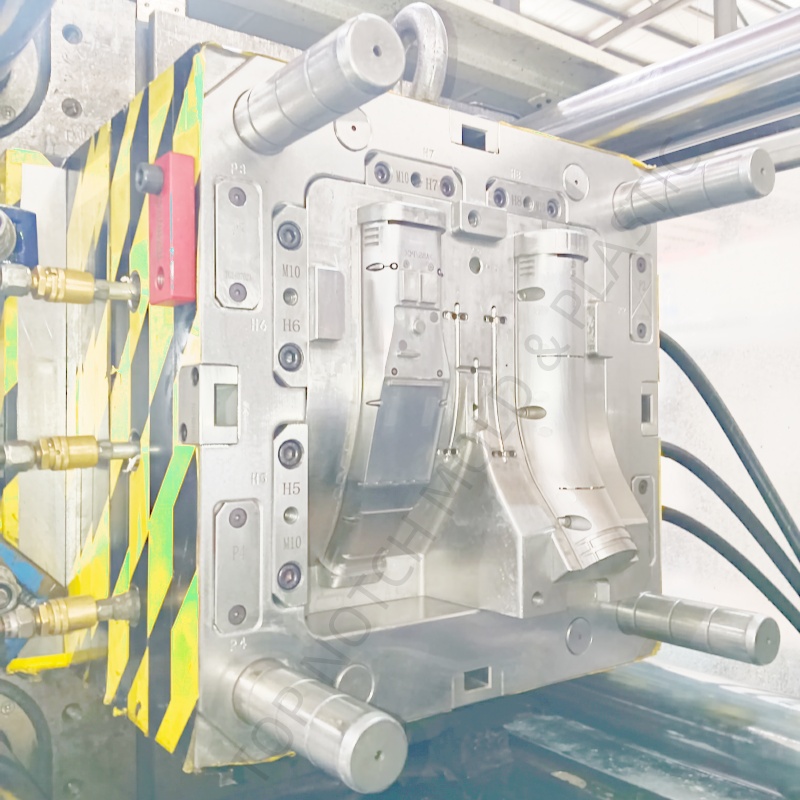
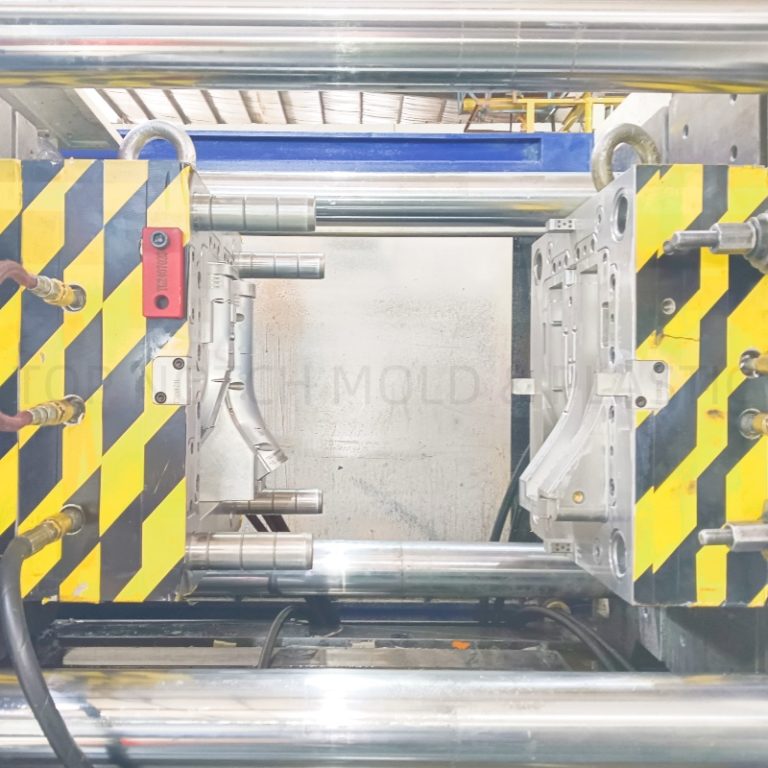
Automotive Parts Injection Molds
Description du moule
|
Nom
|
Moule à induction plastique |
| Matériau du moule | P20, NAK80, SKD11, S316, S50C,S45C,718H,718 ,1.2344, Per customer's requirement |
| Base du moule | LKM, HASCO, DME or Per customer's requirement |
| Type de moule en plastique | 3-moule à plaque,2-moule à plaque |
| Cavité | Simple/Multi cavité ,1*1,1+1,1*2,1+1+1,etc |
| Position de la porte | Porte du ventilateur,Sous-porte,Porte à point d’épingle,Vanne à canal chaud,Ouvrez Nozzel |
| Système d’éjection | Plaque de décapage,Lifter,Barre de poussée,Goupille d’éjection, etc. |
| Coureur | Type chaud/froid |
| Matériau en résine plastique | ABS+PC,PEHD, PP, nylon, REGARDER, PEBD, ABS, styrène, acrylique, acétal, PE, PTFE, PEI, et PES |
| Durée de vie du moule | 300,000-500,000-1,000,000 Coups |
| Delai | 25-35 jours après la réception du dépôt et l’approbation de la conception du moule par le client |
| Spécification | Suivez le dessin final en 3D |
| Détails de l’emballage |
Revêtement avec un film antirouille et emballé avec une caisse en bois
|
Détails de la production des pièces
| Matériau du produit | ABS,COMME,PP,PPS,PC,PE,POM,Le PMMA,PS,PEHD,TPE,TPU, etc. |
| Finition de surface | Finition de polissage,Finition texturée,Finition brillante,Peinture,Imprimé Slik,Peinture en caoutchouc, etc. |
| MOQ | 500 PC |
| Détails de l’emballage | Carton box or wooden Case upon product weight and customer's requirements. |
| Livraison | Par voie maritime ,En train ,ou par voie aérienne selon les besoins du client |
| Pays d’exportation | Janpan,Europe,ÉTATS-UNIS,Mexique,Australie,Moyen-Orient,Corée,l’Asie, etc. |
| Typique utilisé pour | Boîtiers, Conteneurs, Casquettes, raccords,y compris comme ci-dessous Boîtier d’outil électrique, Rasoirs jetables, Interrupteurs électriques,Caisses/Boîtes de recyclageTableaux de bord automobiles,Meubles de télévision,Unités d’inhalation de drogues,Pare-chocs automobiles,Poubelles à roulettes ,Seringues,Combinés téléphoniques ,Bols à vaisselle,Les DVD,Couvercles/fermetures de bouteilles,Boîtiers de batterie |
| Gamme de marchés | Électronique grand public,Produits industriels, , Traitement des aliments, aviation, Joints/joints d’étanchéité, éclairage, emballage, filtre,Santé, télécommunication, mécanique, traitement de l’eau, appareil, récréation,pelouse et jardin, éducatif, Pétrole et gaz, gouvernement, construction,plomberie, surveillance, Pompes, marin, Moteurs, Engrenages, Étiquettes RFID, électronique,et fixations.couvercle de la batterie ,Conteneur de batterie,générateur de batterie,Banque d’alimentation par batterie, |
- Description
Automotive Parts Injection Molds: Precision Manufacturing for Modern Vehicles
The automotive industry is one of the most demanding sectors for manufacturing, requiring components that are highly durable, precise, and capable of withstanding harsh operating conditions. Many automotive parts, ranging from interior panels and dashboards to engine components and connectors, are produced using injection molding technology. Automotive parts injection molds are specialized tools designed to create these high-quality plastic components efficiently and consistently. This article explores what automotive parts injection molds are, their components, materials, applications, and why they are essential for modern vehicle manufacturing.
1. What is an Automotive Parts Injection Mold?
An automotive parts injection mold is a precision tool used to manufacture plastic components for vehicles through the injection molding process. In this process, molten plastic is injected into a mold cavity under high pressure, then cooled and solidified to form the desired shape.
These molds are highly specialized due to the unique requirements of automotive components, which include:
- Durability: Parts must endure temperature fluctuations, vibrations, and mechanical stress.
- High precision: Components must fit perfectly within assemblies, maintaining tight tolerances.
- Complex geometries: Modern automotive parts often have undercuts, snap-fits, and intricate designs that require advanced mold mechanisms.
- High-volume production: Automotive manufacturers require thousands or millions of parts, demanding molds that can withstand extensive use.
Automotive injection molds are therefore designed not only to shape parts but also to maintain consistent quality over long production runs.
2. Components of Automotive Parts Injection Molds
Automotive injection molds consist of several critical components that work together to produce precise parts:
2.1 Cavity and Core
The cavity and core are the primary elements that define the shape of the automotive part. The cavity forms the exterior, while the core creates the interior structure. Both are designed with extremely tight tolerances to ensure proper fit, especially for components like dashboards, panels, or under-the-hood parts.
2.2 Slides and Lifters
Many automotive components have features that cannot be formed by a simple two-plate mold. Slides and lifters allow the mold to create side holes, undercuts, or other complex geometries. These mechanisms move in precise synchrony during mold opening and closing, allowing parts to be ejected without damage.
2.3 Inserts and Sub-Inserts
Inserts enable flexibility in mold design, allowing manufacturers to produce multiple variations of a component using the same base mold. Sub-inserts allow even smaller features to be created and replaced individually if they wear out, reducing maintenance costs.
2.4 Ejection System
Automotive parts often have thin walls or delicate sections. The ejection system, including pins, plates, and lifters, ensures parts are removed from the mold without deformation, scratches, or defects.
2.5 Cooling Channels
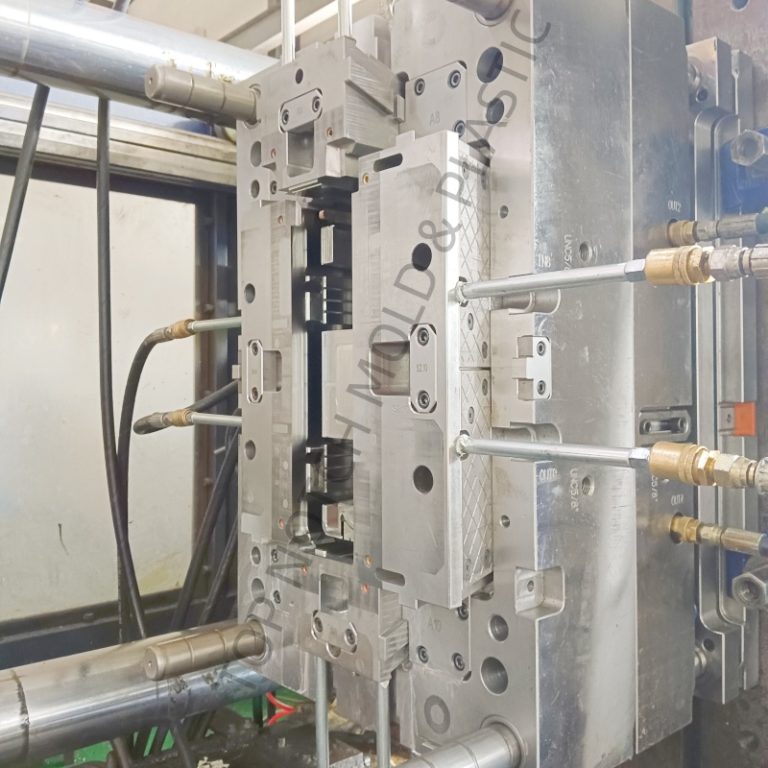
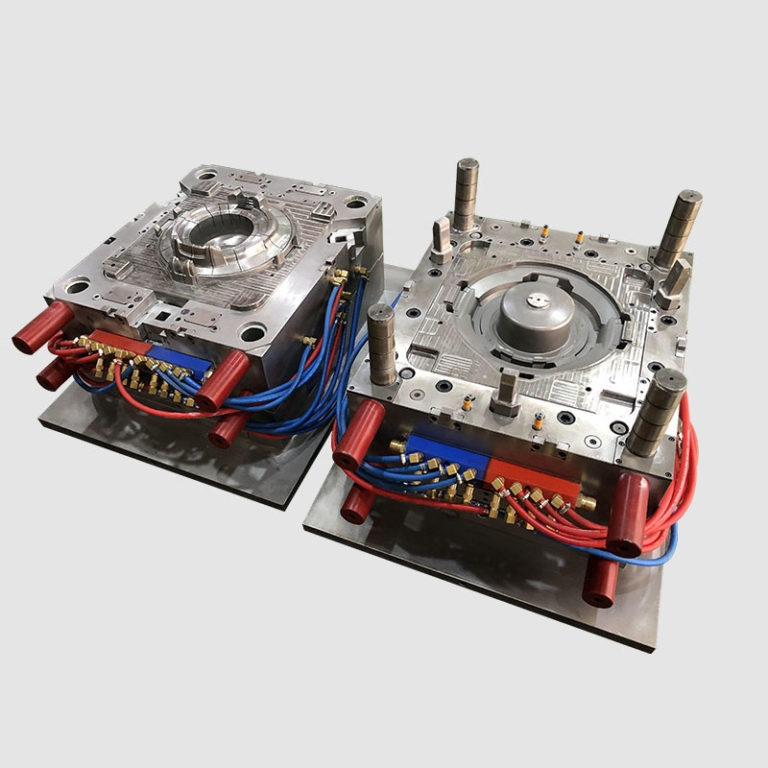
Consistent cooling is critical to minimize warpage and shrinkage. Cooling channels are strategically integrated into the mold to maintain uniform temperature and reduce cycle time, ensuring high-quality production.
3. Materials Used in Automotive Parts Injection Molds
The materials used for molds and automotive parts are selected for durability, wear resistance, and precision:
Mold Materials:
- S136H: Stainless steel with excellent corrosion resistance and polishability, ideal for cosmetic parts like dashboards and panels.
- SKD61 / H13: Hot-work steels that withstand high temperatures and repeated cycles.
- DC53 / SKD11: Cold-work steels used in slides, Poussoirs, and core pins for wear resistance.
- SUS440C / SKH51: High-strength steels for ejection systems and moving parts.
Plastic Materials for Automotive Parts:
- ABS (Acrylonitrile Butadiene Styrene): Durable, impact-resistant, and suitable for interior panels and housings.
- PP (Polypropylene): Lightweight, flexible, and resistant to fatigue, used in clips, covers, and trim.
- POM (Acetal): High stiffness and low friction, ideal for mechanical parts like gears and bushings.
- PC (Polycarbonate): Transparent and impact-resistant, used for lighting covers or dashboard elements.
- PA (Nylon / Polyamide): Excellent mechanical strength and heat resistance, used in engine compartments and connectors.
4. Features of Automotive Parts Injection Molds
Automotive injection molds have unique characteristics compared to general-purpose molds:
- High Precision: Tight tolerances are critical for parts that fit within assemblies or interface with other components.
- Durable Construction: Molds are designed to withstand hundreds of thousands or even millions of cycles.
- Complex Mechanisms: Slides, Poussoirs, and ejectors allow the formation of intricate features such as snap-fits, vents, and multi-level surfaces.
- Moules multi-cavités: To meet high-volume production demands, molds often produce multiple parts per cycle, increasing efficiency without compromising quality.
- Advanced Cooling Systems: Integrated channels prevent warping, reduce shrinkage, and shorten cycle times, essential for high-volume manufacturing.
5. Applications in the Automotive Industry
Automotive parts injection molds are used to manufacture a wide range of components, including:
- Interior Components: Dashboard panels, door trims, center consoles, armrests, and cup holders.
- Exterior Components: Grilles, mirrors, and bumper covers.
- Engine and Mechanical Parts: Clips, fasteners, connectors, housings, and small brackets.
- Electrical Components: Switch covers, cable holders, and sensor housings.
These parts must meet stringent safety, durability, and aesthetic requirements while maintaining precision and consistency in high-volume production.
6. Advantages of Using Injection Molds for Automotive Parts
Injection molding provides several benefits for automotive manufacturing:
- High Precision: Ensures tight tolerances for perfect assembly and functionality.
- Consistency: Every part produced meets quality standards, reducing defects.
- Complex Geometries: Slides, Poussoirs, and inserts allow for intricate designs.
- Cost-Effectiveness: High initial mold investment is offset by low per-part costs in mass production.
- Durability: Molded parts can meet mechanical, thermal, and chemical performance requirements.
- Scalability: Multi-cavity molds enable large-scale production to meet market demand efficiently.
7. Conclusion
Automotive parts injection molds are a critical technology for modern vehicle manufacturing. They enable the production of high-precision, durable, and aesthetically appealing plastic components that meet stringent functional and safety standards. By combining advanced mold design, high-quality steel components such as S136H, SKD61, and DC53, and suitable plastics like ABS, PP, PC, POM, and PA, manufacturers can produce complex automotive parts efficiently and reliably.
With the increasing demand for lightweight, durable, and innovative automotive components, injection molding remains an indispensable process in the automotive industry. Well-designed molds not only improve production efficiency and consistency but also contribute to vehicle safety, reliability, and overall quality, making them a cornerstone of automotive manufacturing.
Pièces automobiles injection mould, Moulage par injection plastique, injection molding solutions, plastic production, contract manufacturing, moule en plastique, moule d’injection plastique
ENVOYER UNE DEMANDE
Produits connexes
© 2025 www.tpi-mould.com. All rights reserved by Top Notch Mold & Tool Co'Ltd
Alimenté par Wpboss