
WhatsApp/Wechat:86-138-2878-1334


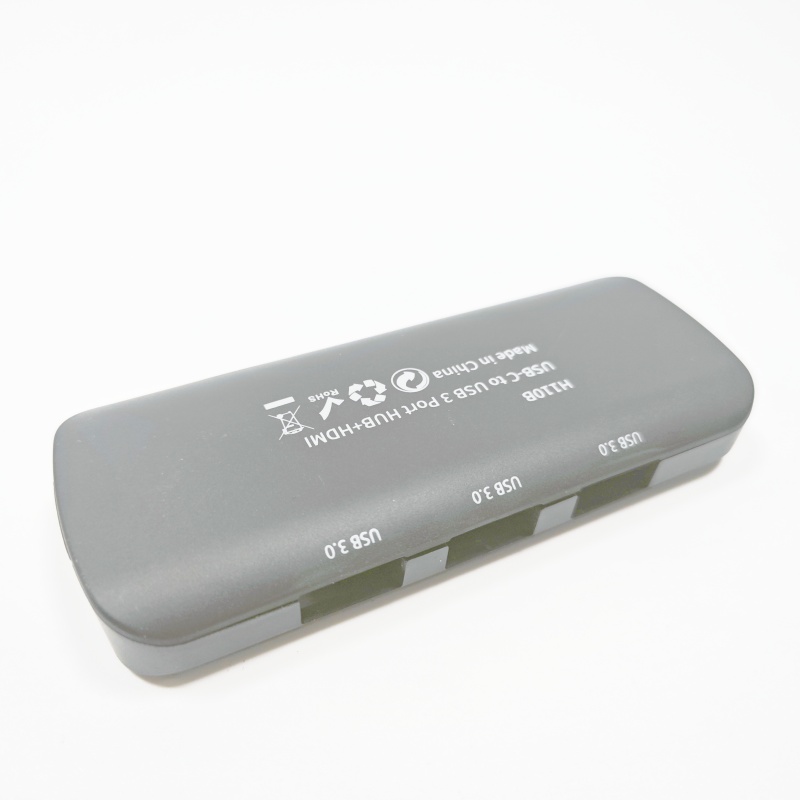
Plastic Chargers, Connectors, and Adapters in Injection Mold
Description du moule
|
Nom
|
Moule à induction plastique |
| Matériau du moule | P20, NAK80, SKD11, S316, S50C,S45C,718H,718 ,1.2344, Per customer's requirement |
| Base du moule | LKM, HASCO, DME or Per customer's requirement |
| Type de moule en plastique | 3-moule à plaque,2-moule à plaque |
| Cavité | Simple/Multi cavité ,1*1,1+1,1*2,1+1+1,etc |
| Position de la porte | Porte du ventilateur,Sous-porte,Porte à point d’épingle,Vanne à canal chaud,Ouvrez Nozzel |
| Système d’éjection | Plaque de décapage,Lifter,Barre de poussée,Goupille d’éjection, etc. |
| Coureur | Type chaud/froid |
| Matériau en résine plastique | ABS+PC,PEHD, PP, nylon, REGARDER, PEBD, ABS, styrène, acrylique, acétal, PE, PTFE, PEI, et PES |
| Durée de vie du moule | 300,000-500,000-1,000,000 Coups |
| Delai | 25-35 jours après la réception du dépôt et l’approbation de la conception du moule par le client |
| Spécification | Suivez le dessin final en 3D |
| Détails de l’emballage |
Revêtement avec un film antirouille et emballé avec une caisse en bois
|
Détails de la production des pièces
| Matériau du produit | ABS,COMME,PP,PPS,PC,PE,POM,Le PMMA,PS,PEHD,TPE,TPU, etc. |
| Finition de surface | Finition de polissage,Finition texturée,Finition brillante,Peinture,Imprimé Slik,Peinture en caoutchouc, etc. |
| MOQ | 500 PC |
| Détails de l’emballage | Carton box or wooden Case upon product weight and customer's requirements. |
| Livraison | Par voie maritime ,En train ,ou par voie aérienne selon les besoins du client |
| Pays d’exportation | Janpan,Europe,ÉTATS-UNIS,Mexique,Australie,Moyen-Orient,Corée,l’Asie, etc. |
| Typique utilisé pour | Boîtiers, Conteneurs, Casquettes, raccords,y compris comme ci-dessous Boîtier d’outil électrique, Rasoirs jetables, Interrupteurs électriques,Caisses/Boîtes de recyclageTableaux de bord automobiles,Meubles de télévision,Unités d’inhalation de drogues,Pare-chocs automobiles,Poubelles à roulettes ,Seringues,Combinés téléphoniques ,Bols à vaisselle,Les DVD,Couvercles/fermetures de bouteilles,Boîtiers de batterie |
| Gamme de marchés | Électronique grand public,Produits industriels, , Traitement des aliments, aviation, Joints/joints d’étanchéité, éclairage, emballage, filtre,Santé, télécommunication, mécanique, traitement de l’eau, appareil, récréation,pelouse et jardin, éducatif, Pétrole et gaz, gouvernement, construction,plomberie, surveillance, Pompes, marin, Moteurs, Engrenages, Étiquettes RFID, électronique,et fixations. |
- Description
Plastic Chargers, Connectors, and Adapters in Injection Mold: Precision Manufacturing for Modern Electronics
In today’s technology-driven world, electronic devices rely heavily on chargers, connectors, and adapters to provide power and data connectivity. These components are essential for consumer electronics, télécommunication, computing devices, and industrial equipment. While internal electronic circuits are crucial for functionality, the plastic housings and components produced through injection molding are equally critical. Injection molding allows manufacturers to produce high-precision, durable, and aesthetically appealing parts for chargers, connectors, and adapters, ensuring both performance and user safety.
Understanding Plastic Injection Molding for Chargers, Connectors, and Adapters
Plastic injection molding is a manufacturing process where molten thermoplastic material is injected into a precisely engineered mold cavity, cooled, and solidified to form the desired shape. The process enables the creation of complex geometries, tight tolerances, and smooth finishes—features that are essential for electronic components that must endure frequent handling, mechanical stress, and thermal loads.
Common plastics used in electronic accessories include ABS (Acrylonitrile Butadiene Styrene), PC (Polycarbonate), PP (Polypropylene), and flame-retardant blends. These materials provide excellent mechanical strength, heat resistance, impact resistance, electrical insulation, and durability. Transparent plastics can be used for indicator covers or LED windows, while opaque plastics are commonly used for structural housings.
Injection molding allows for efficient mass production, making it ideal for chargers, connectors, and adapters, which often require thousands or millions of units. Multi-cavity molds, automated ejection systems, and precision tooling ensure high-volume production while maintaining consistent quality.
Applications of Injection-Molded Plastic Components in Chargers, Connectors, and Adapters
Injection molding is used to manufacture a wide range of components for electronic accessories:
- Charger Housings
- Chargers for smartphones, laptops, tablets, and other devices require durable and safe housings to protect internal circuits.
- Molded components include outer shells, cable entry points, ventilation grids, and internal mounting brackets.
- Flame-retardant plastics ensure compliance with safety standards and reduce fire risks.
- Electrical Connectors
- Molded connectors include USB, HDMI, RJ45, DC power plugs, and modular plugs used in consumer and industrial electronics.
- Injection molding allows precise housing dimensions to ensure a secure fit and reliable electrical contact.
- Features such as strain reliefs, cable guides, and protective covers can be integrated into the molded part.
- Adapters and Power Converters
- Wall adapters, AC-DC converters, and multi-port chargers rely on molded housings to protect electronics and provide insulation.
- Molded parts often include snap-fit assemblies, screw bosses, ventilation features, and ergonomic shapes for easy handling.
- Cable Management Components
- Clips, guides, and strain relief components molded from durable plastics ensure cable longevity and prevent mechanical damage.
- Injection molding allows precise dimensions for secure attachment to chargers or adapters.
Advantages of Injection-Molded Plastic Components for Electronic Accessories
- High Precision and Consistency
- Tight tolerances ensure proper fit and function of connectors, plugs, and adapters.
- Multi-cavity molds produce consistent parts across high-volume production runs.
- Durability and Safety
- Molded plastics protect internal electronics from impact, moisture, and dust.
- Flame-retardant and heat-resistant materials reduce fire hazards, particularly in high-power chargers.
- Design Flexibility
- Complex geometries, ergonomic features, snap-fits, cable guides, ventilation grids, and textured surfaces can be integrated into a single molded component.
- Supports both functional and aesthetic requirements, including branding, logos, and color accents.
- Cost-Effective High-Volume Production
- Automated injection molding reduces labor costs, scrap rates, and production times.
- Multi-cavity molds allow simultaneous production of multiple components, optimizing efficiency.
- Integration of Multi-Material Features
- Overmolding soft-touch grips, rubberized strain reliefs, or color accents onto rigid housings enhances usability and durability.
- Enables ergonomic designs without compromising structural integrity.
Key Considerations in Mold Design for Chargers, Connectors, and Adapters
- Material Selection
- Materials must provide flame retardancy, electrical insulation, thermal stability, and mechanical strength.
- Transparent or translucent plastics may be required for LED indicators or displays.
- Wall Thickness and Flow Control
- Uniform wall thickness prevents warping, shrinkage, or stress accumulation.
- Proper gating and runner design ensures complete filling of small features like cable guides and snap-fit sections.
- Surface Finish
- Smooth or textured finishes improve aesthetics, grip, and brand recognition.
- Polished surfaces for transparent components enhance LED visibility and user experience.
- Cooling and Cycle Time Optimization
- Efficient cooling ensures dimensional stability and reduces production time.
- Critical for high-volume components with intricate geometries.
- Multi-Material and Overmolding Options
- Soft-touch areas, ergonomic grips, and protective covers can be overmolded onto rigid housings.
- Improves safety, comfort, and durability.
Trends in Injection-Molded Electronic Accessories
- Compact and Modular Designs
- Increasing demand for slim, lightweight chargers and adapters requires precision micro-molding.
- Modular designs allow multiple functionalities in a single device, such as multi-port chargers.
- Sustainability and Recyclable Materials
- Use of recycled or eco-friendly plastics reduces environmental impact while maintaining performance.
- Smart Integration
- Molded housings accommodate advanced electronics, sensors, or wireless modules in compact designs.
- Enhanced Safety Compliance
- Components meet international standards for electrical safety, fire resistance, and mechanical strength, ensuring reliability.
Conclusion
Injection molding is an indispensable process for manufacturing high-quality plastic components in chargers, connectors, and adapters. It allows for precise, durable, and aesthetically appealing parts that protect electronics, support ergonomic designs, and ensure reliable performance.
Through careful material selection, advanced mold engineering, and strict quality control, manufacturers can produce high-volume, consistent, and safe electronic accessories. As technology continues to evolve and consumer demand for efficient, safe, and stylish charging and connectivity solutions grows, injection-molded plastic components will remain a cornerstone of the electronics accessory industry, combining functionality, safety, and design flexibility.
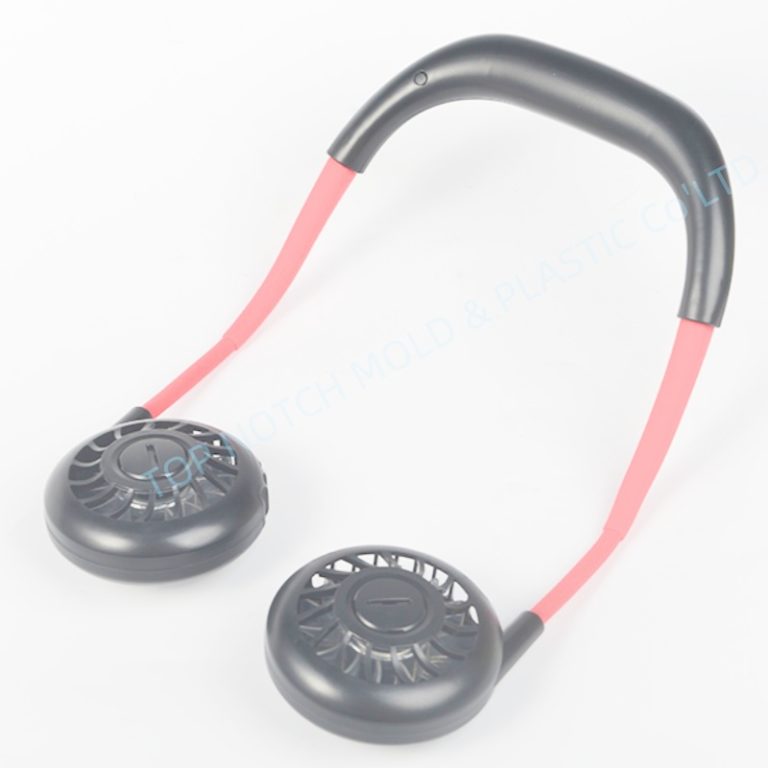
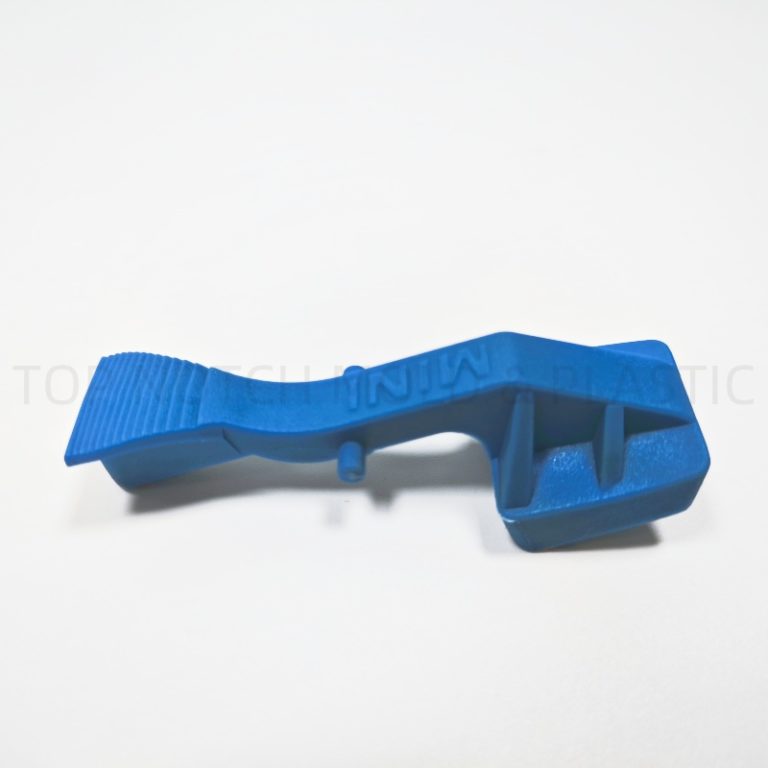
Photos de pièces en plastique, Électronique grand public Moulage par injection plastique, Moule d’injection d’écouteurs tour de cou, tour de cou écouteurs moule en plastique, Écouteurs tour de cou, moules de casque Bluetooth pour le cou, moule en plastique, moule d’injection plastique
ENVOYER UNE DEMANDE
Produits connexes
© 2025 www.tpi-mould.com. All rights reserved by Top Notch Mold & Tool Co'Ltd
Alimenté par Wpboss