
WhatsApp/Wechat:86-138-2878-1334


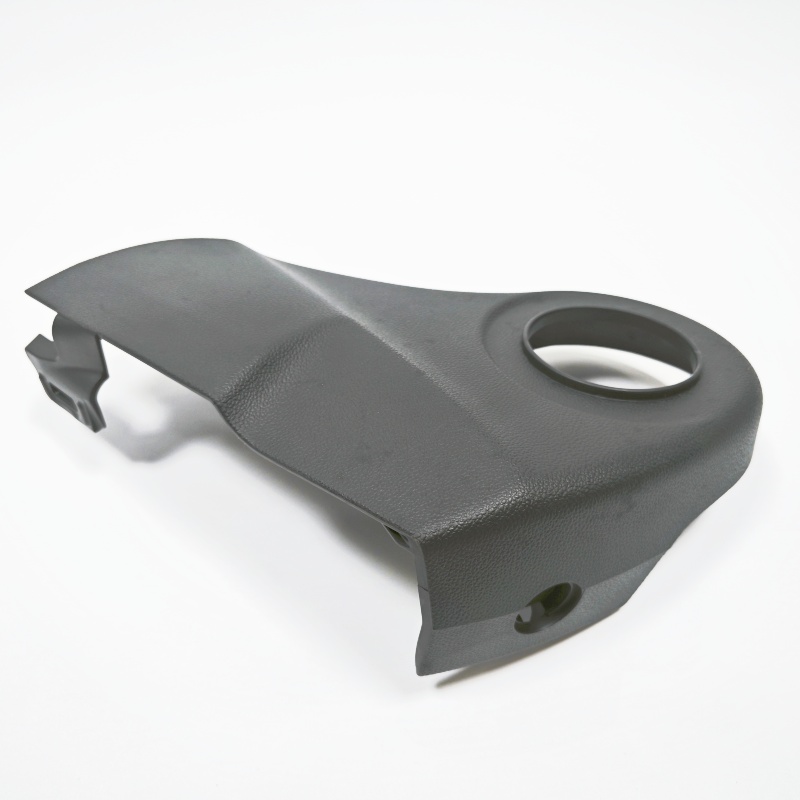
Precision Plastic Automotive Injection Mold-1
Mold Description
|
Name
|
Plastic Injecition Mold |
| Mould Material | P20,NAK80,SKD11,S316,S50C,S45C,718H,718 ,1.2344, Per customer's requirement |
| Mould base | LKM, HASCO, DME or Per customer's requirement |
| Type of plastic mold | 3-plate mold,2-plate mold |
| Cavity | Single/Multi cavity ,1*1,1+1,1*2,1+1+1,etc |
| Gate Position | Fan gate,Sub gate,Pin Point gate,Hot Runner Valve Gate,Open Nozzel |
| Ejection system | Stripper plate,Lifter,Push Bar,Ejection Pin etc |
| Runner | Hot/cold type |
| Plastic Resin Material | ABS+PC,HDPE, PP, nylon, PEEK, LDPE, ABS, styrene, acrylic, acetal, PE, PTFE, PEI, and PES |
| Mould life | 300,000-500,000-1,000,000 shots |
| Lead time | 25-35 days after deposit received/and mold design is approved by customer |
| Specification | Follow the 3D final drawing |
| Packaging details |
Covering with film for anti rust and packed with wooden Case
|
Parts Production Details
| Product Material | ABS,AS,PP,PPS,PC,PE,POM,PMMA,PS,HDPE,TPE,TPU etc |
| Surface finish | Polishing finish,Texture Finish,Glossy Finish,Painting,Slik print,Rubber Painting etc |
| MOQ | 500 PCS |
| Packaging details | Carton box or wooden Case upon product weight and customer's requirements. |
| Shipping | By sea ,by train ,or by air as customer requirement |
| Export Country | Janpan,Europe,USA,Mexico,Australia,Middle East,Korea,Asia etc |
| Typical Used For | Housings, containers, caps, fittings,including as below Power-tool housing, Disposable razors, Electrical Switches,Crates/Recycling boxesAutomotive dash boards,Television Cabinets,Drug Inhalation Units,Automotive bumpers,Wheelie bins ,Syringes,Telephone handsets ,Washing-up bowls,DVDs,Bottle Lids/closures,Battery Casings |
| Range of markets | consumer electronics,industrial products, , food processing, aviation, seals/gaskets, lighting, packaging, filter,healthcare, telecommunications, mechanical, water treatment, appliance, recreation,lawn and garden, educational, oil and gas, government, construction,plumbing, surveillance, pumps, marine, motors, gears, RFID tags, electronics,and fasteners. |
- Description
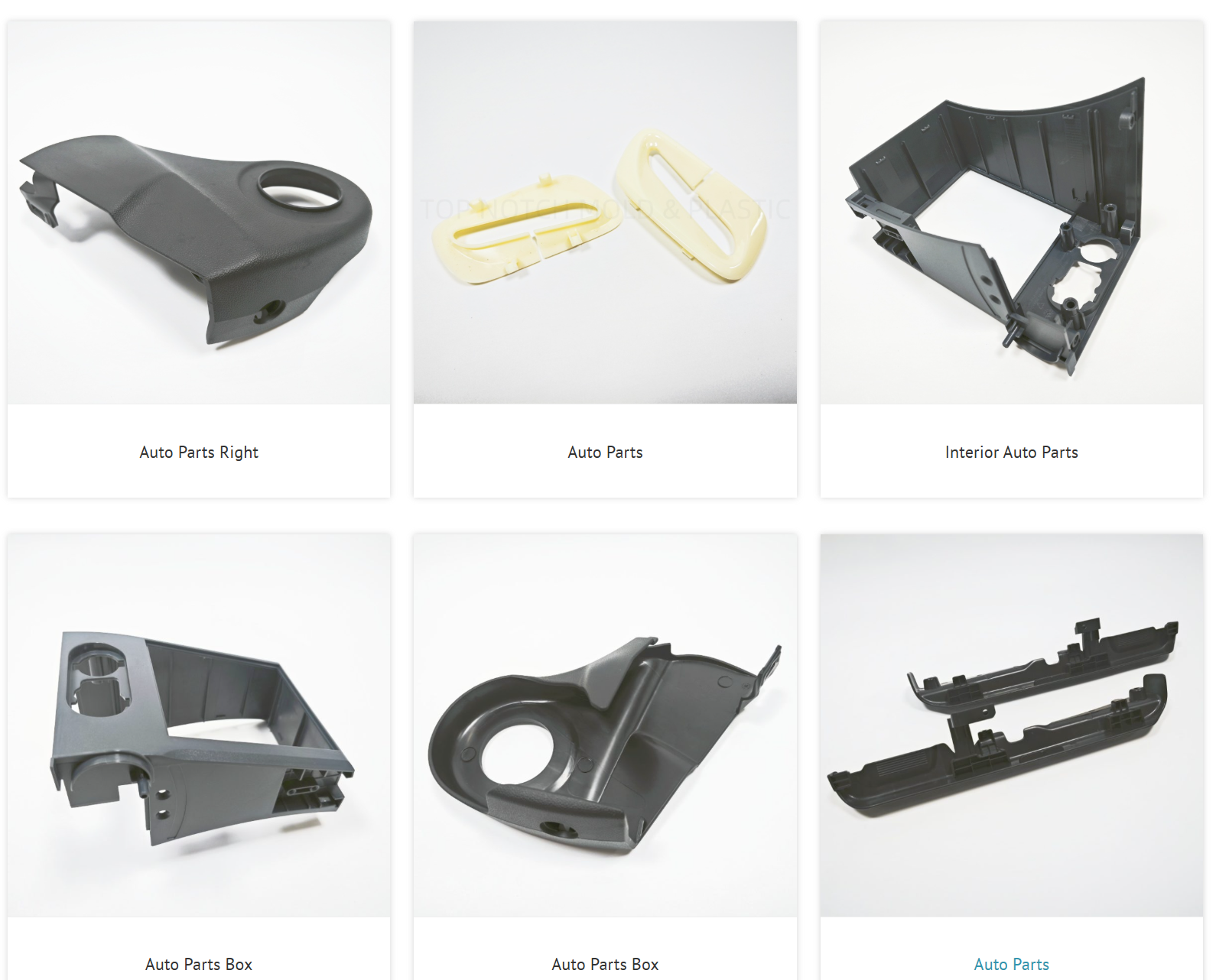
Plastic Automotive Injection Mold: Precision, Efficiency, and Innovation in Modern Automotive Manufacturing
The automotive industry is one of the most demanding sectors for injection molding, requiring high-quality, durable, and precisely engineered plastic components. Plastic injection molding has become an essential process in automotive manufacturing due to its ability to produce complex parts at high volumes with excellent consistency and efficiency. Central to this process is injection mold making, which determines the quality, accuracy, and durability of the finished components.
1. Overview of Plastic Injection Molding in Automotive Applications
Automotive components range from simple interior trims to intricate functional parts, such as air vents, dashboards, bumpers, and engine components. Plastic injection molding allows manufacturers to produce these components efficiently using thermoplastic materials, including ABS, polypropylene (PP), polycarbonate (PC), and glass-filled polymers.
The injection molding process involves melting thermoplastic material and injecting it under high pressure into a mold. Once cooled, the molded part is ejected, and the cycle repeats. This process enables industrial injection molding facilities to deliver large quantities of consistent, high-quality automotive parts while maintaining tight tolerances required for fit, function, and safety.
2. The Role of Injection Mold Making
The success of plastic automotive injection molding depends heavily on injection mold making. The mold, also referred to as a die, is the blueprint for the part. High-quality molds are designed to withstand hundreds of thousands to millions of cycles, ensuring consistent plastic part molding over time.
Key stages in mold manufacturing include:
- Mold design and production: Engineers design the mold based on CAD models of the automotive part. This step ensures correct thermoplastic injection molding flow, proper cooling, and precise dimensional accuracy.
- Tool fabrication: Using CNC machining, EDM (electrical discharge machining), and high-precision surface finishing, molds are created to exact specifications.
- Assembly and testing: Mold components, including cavities, cores, runners, gates, and ejection systems, are assembled and tested in trial runs to verify part quality before mass production.
High-precision injection molding molds are particularly critical for automotive applications, where even slight deviations can affect assembly or vehicle performance.
3. Key Advantages of Plastic Injection Molding in Automotive Manufacturing
The automotive industry relies on industrial injection molding and plastic injection molding for several reasons:
- Complex Geometry: Injection molding allows manufacturers to produce parts with intricate shapes, undercuts, and thin walls that are difficult to achieve with other methods.
- High Volume Production: Once a mold is ready, plastic part molding can be repeated at high speed, making it ideal for mass production of automotive components.
- Material Versatility: Thermoplastic injection molding supports a wide range of materials, including reinforced polymers for improved strength, durability, and heat resistance.
- Cost-Effectiveness: For high-volume production, the cost per part is low, making injection molding economically viable for both interior and exterior automotive components.
- Consistency and Precision: High-precision injection molding ensures dimensional stability and surface finish, crucial for aesthetic and functional automotive parts.
4. Plastic Injection Mold Design Considerations for Automotive Parts
Automotive molds must meet stringent requirements, as defective parts can affect vehicle performance and safety. Key considerations in mold design and production include:
- Flow Analysis: Optimizing the molten thermoplastic flow to avoid defects like sink marks, warping, or voids.
- Cooling System Design: Efficient cooling channels reduce cycle time and ensure uniform part quality.
- Ejection System: Smooth ejection mechanisms prevent deformation or scratching of delicate parts.
- Durability and Maintenance: Automotive molds must withstand millions of injection cycles, requiring hardened steel molds, precise machining, and routine maintenance.
- Surface Finishing: Achieving the required aesthetic finish for visible interior parts, such as dashboards or trim panels.
Thermoplastic injection molding is particularly suitable for automotive applications because it allows quick cycle times, part flexibility, and compatibility with surface treatments such as painting or chrome plating.
5. The Industrial Injection Molding Process in Automotive Manufacturing
The injection molding process in automotive manufacturing typically follows these steps:
- Material Preparation: Thermoplastic pellets are dried and fed into the injection molding machine.
- Melting and Injection: Material is heated to a molten state and injected under high pressure into the mold cavities.
- Cooling: The mold’s cooling channels reduce part temperature, solidifying the plastic.
- Ejection: Finished parts are removed using ejector pins, slides, or air blasts.
- Post-Processing: Parts may undergo trimming, painting, or assembly as required.
This workflow ensures high-volume production with consistent quality, making it ideal for automotive manufacturers producing thousands of identical parts for assembly lines.
6. Conclusion
Plastic automotive injection molds are indispensable in modern vehicle manufacturing. The combination of plastic injection molding, thermoplastic injection molding, and high-precision injection molding ensures that automotive components are produced efficiently, consistently, and cost-effectively.
From industrial injection molding facilities to mold makers and tool makers, every step of mold design and production plays a critical role in delivering high-quality plastic parts. By integrating advanced injection mold making techniques, precise plastic part molding, and optimized injection molding processes, automotive manufacturers can meet rigorous quality standards, reduce production costs, and maintain fast delivery schedules.
In an industry where safety, durability, and aesthetics are paramount, plastic injection molding remains the most reliable and versatile method for producing automotive components, solidifying its position as a cornerstone of modern vehicle production.
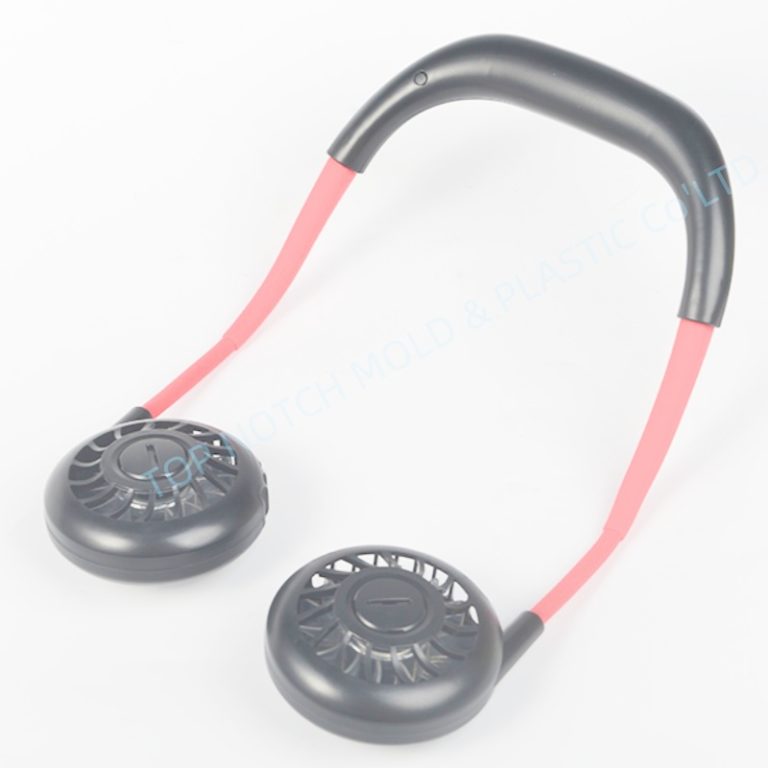
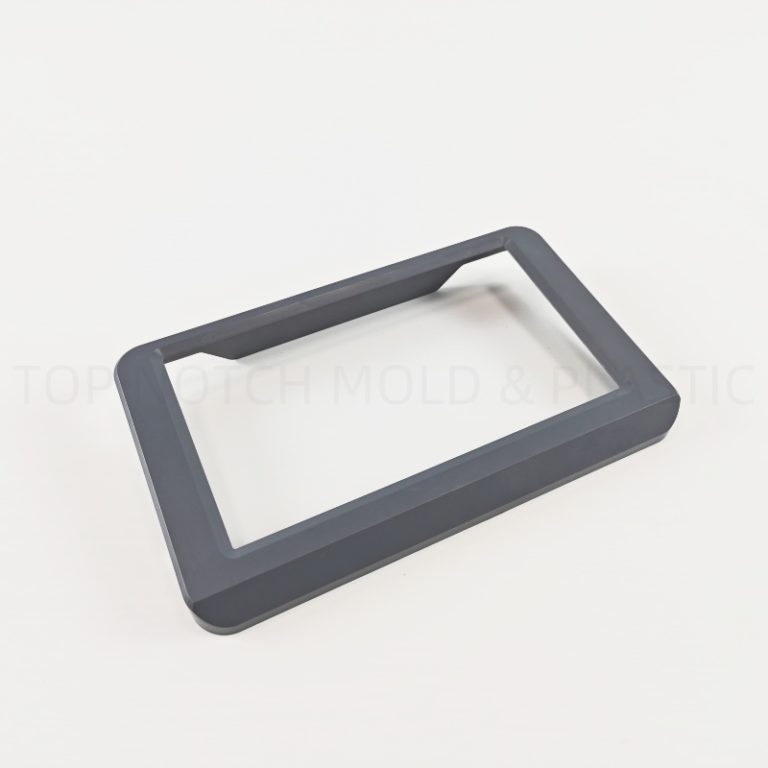
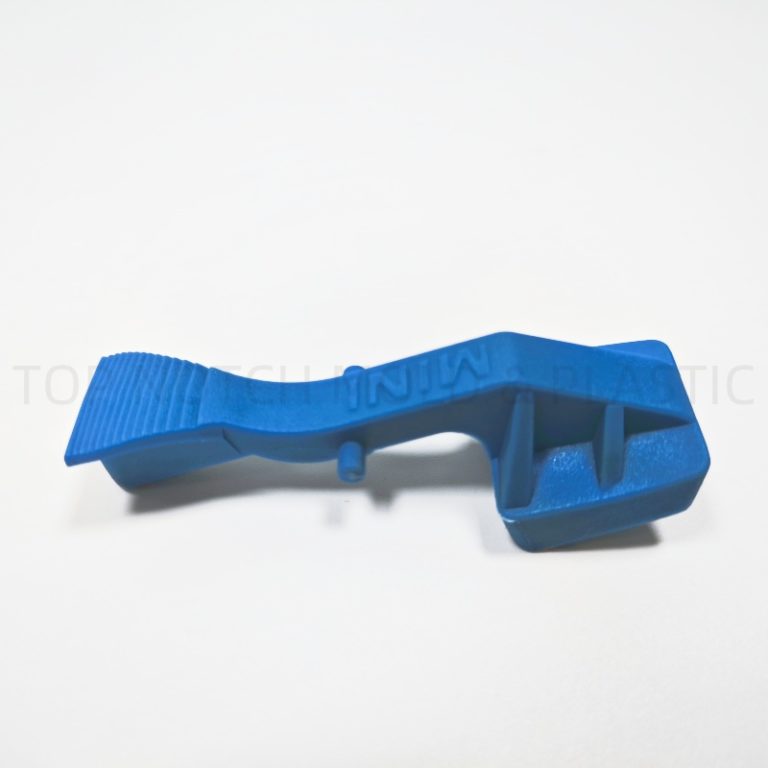
Plastic Parts Photos, Automotive Parts plastic injection molding, neckband headphones injection mold, neckband earphones plastic mold, neckband earbuds, neck bluetooth headset molds, plastic mold, plastic injection mold
SEND INQUIRY
Related Products
© 2025 www.tpi-mould.com. All rights reserved by Top Notch Mold & Tool Co'Ltd
Powered by Wpboss