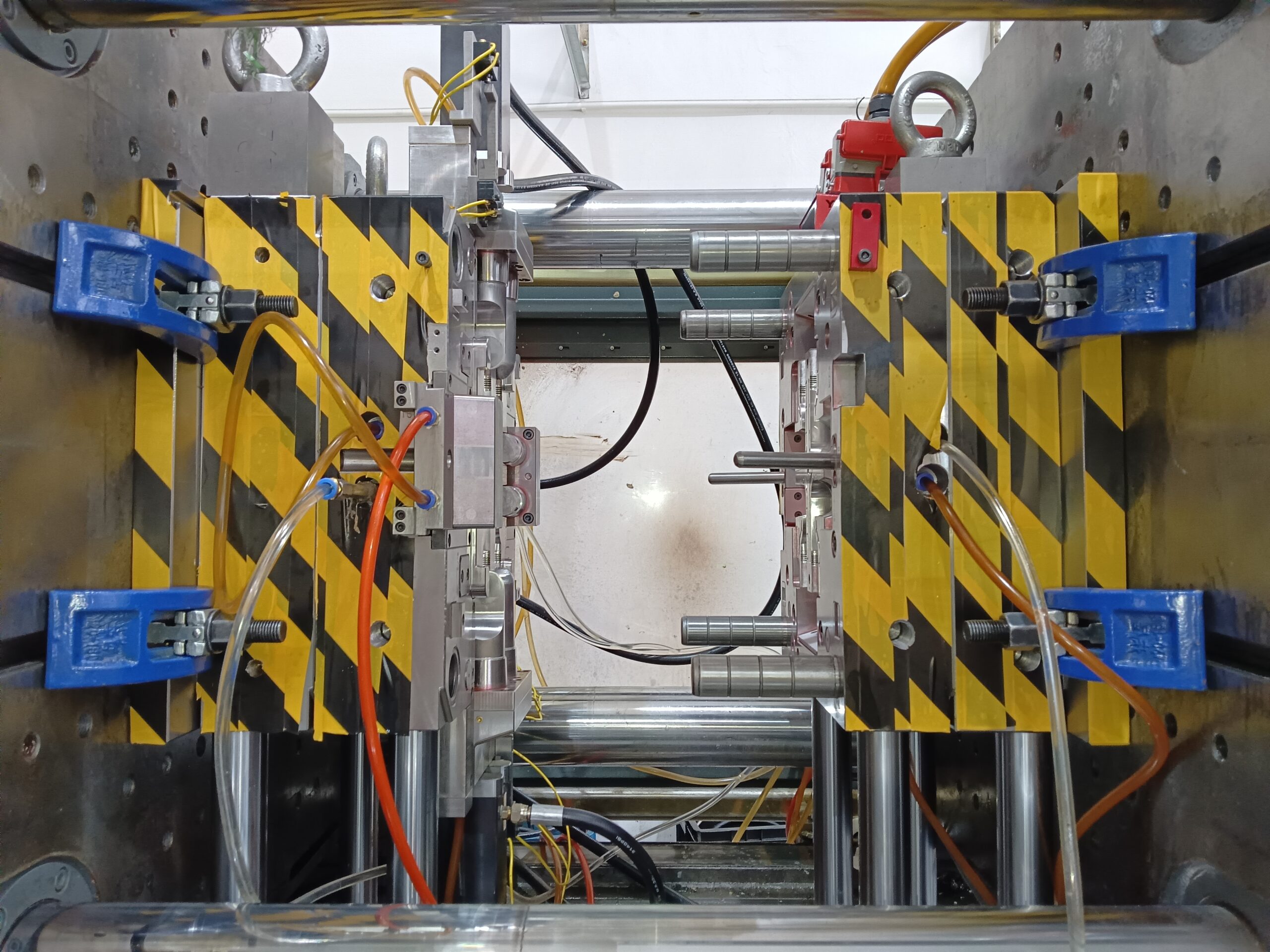
Introduction to Injection Molding and Its Applications
Top Notch Plastic Injection Molding is one of the most widely used manufacturing processes for producing high-quality, precise, and repeatable plastic parts in large quantities. It is a versatile technique that allows manufacturers to create complex shapes with excellent dimensional accuracy and surface finish, making it essential across a wide range of industries.
At its core, injection molding involves melting thermoplastic or thermosetting polymers and injecting them into a precisely designed mold under high pressure. The mold, typically made of steel or aluminum, defines the shape of the final product. Once the molten material fills the mold cavity and cools, the part solidifies and is ejected. This process can be repeated thousands or even millions of times, making it highly efficient for both low-volume prototyping and high-volume production.
The Injection Molding Process
The injection molding process can be broken down into several key stages:
- Material Preparation: Plastic pellets or granules are fed into the machine’s hopper, where they are conveyed to a heated barrel.
- Melting and Injection: Inside the barrel, the plastic is heated to its melting point, creating a viscous liquid. A screw mechanism then pushes the molten material into the mold cavity under high pressure.
- Cooling and Solidification: Once inside the mold, the material quickly cools and solidifies, taking the exact shape of the mold cavity.
- Ejection: After solidification, the mold opens, and the finished part is ejected. The mold then closes again for the next cycle.
Modern injection molding machines are equipped with advanced control systems to ensure precise temperature control, injection speed, and pressure, resulting in consistent, high-quality products.
Materials Used in Injection Molding
Injection molding supports a wide variety of materials, including:
- Thermoplastics: Common examples are polyethylene (ПЭ), polypropylene (ПП), acrylonitrile butadiene styrene (ПРЕСС), polycarbonate (ПК), and polyamide (PA or Nylon). Thermoplastics are favored for their recyclability, flexibility, and ease of processing.
- Thermosets: These materials, like epoxy or phenolic resins, harden permanently after heating and are typically used for electrical components.
- Elastomers: Materials like silicone and thermoplastic elastomers (TPE) are used for soft-touch applications and flexible parts.
The choice of material depends on the required mechanical properties, thermal resistance, chemical resistance, and surface finish of the final product.
Applications of Injection Molding
Injection molding is used in nearly every industry because of its versatility, speed, and precision. Key applications include:
- Automotive Industry: Automotive components such as dashboards, bumpers, interior trims, and engine parts are commonly produced using injection molding. The process allows for lightweight, durable, and high-strength components that meet stringent safety standards.
- Электроника: Devices such as smartphones, laptops, remote controls, and household electronics often rely on injection-molded plastic housings. The process ensures precise dimensions, excellent surface finish, and the ability to integrate multiple functions into a single part.
- Медицинские приборы: Injection molding is crucial for producing medical equipment such as syringes, surgical instruments, diagnostic devices, and casings for electronic medical tools. The process allows for strict quality control, sterile production, and high repeatability.
- Home Appliances: Everyday appliances like washing machines, refrigerators, and kitchen tools use injection-molded parts for handles, panels, and internal components. The technique offers cost efficiency and consistent performance.
- Packaging Industry: Injection molding is used to produce caps, closures, containers, and custom packaging solutions. The process enables mass production of uniform parts with minimal waste.
- Baby and Consumer Products: Toys, bottles, sippy cups, and other consumer goods benefit from injection molding due to its safety, precision, and ability to produce colorful, durable products.
- Telecommunication and Networking: Components such as connectors, housings, and cable management systems are manufactured using injection molding, ensuring durability and precise fit for complex assemblies.
- Industrial and Mechanical Components: Gears, housings, and enclosures used in machinery, equipment, and industrial automation are commonly injection-molded to meet high strength and precision requirements.
Advantages of Injection Molding
The main benefits of injection molding include:
- High production efficiency and speed
- Excellent consistency and precision in dimensions
- Ability to produce complex geometries and detailed features
- Wide range of material options
- Minimal post-production finishing
- Scalability from prototypes to high-volume production
Conclusion
Injection molding is a cornerstone of modern manufacturing, providing unmatched efficiency, accuracy, and versatility. From automotive components to medical devices, electronics, consumer goods, и упаковка, its applications are vast and diverse. With advances in machinery, automation, and material science, injection molding continues to evolve, offering manufacturers a reliable and cost-effective solution for producing high-quality plastic parts on a global scale.