
WhatsApp/Wechat:86-138-2878-1334


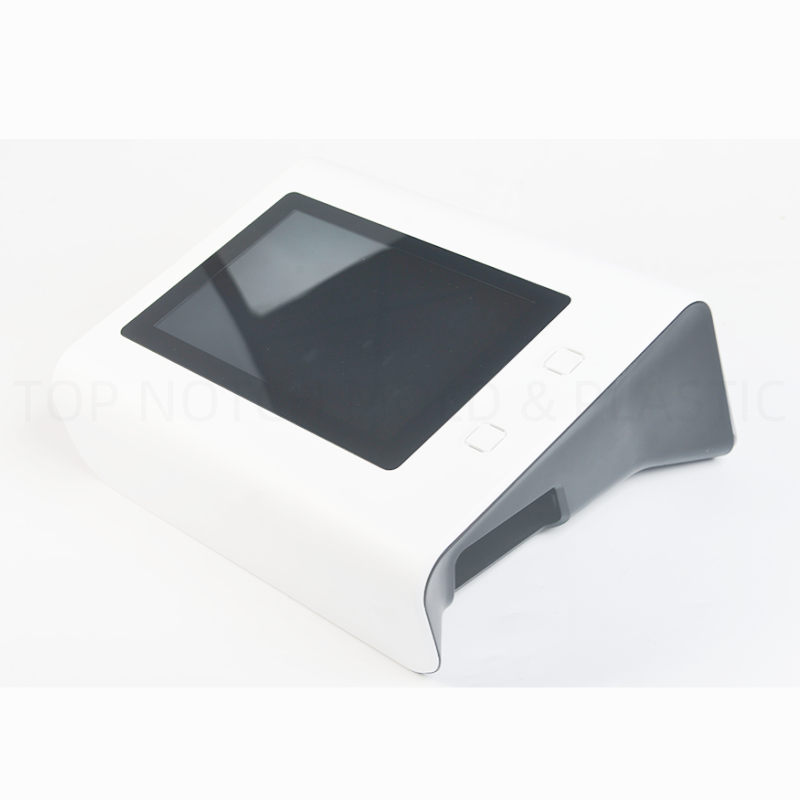
Medical Device Injection Mold
Description du moule
|
Nom
|
Moule à induction plastique |
| Matériau du moule | P20, NAK80, SKD11, S316, S50C,S45C,718H,718 ,1.2344, Per customer's requirement |
| Base du moule | LKM, HASCO, DME or Per customer's requirement |
| Type de moule en plastique | 3-moule à plaque,2-moule à plaque |
| Cavité | Simple/Multi cavité ,1*1,1+1,1*2,1+1+1,etc |
| Position de la porte | Porte du ventilateur,Sous-porte,Porte à point d’épingle,Vanne à canal chaud,Ouvrez Nozzel |
| Système d’éjection | Plaque de décapage,Lifter,Barre de poussée,Goupille d’éjection, etc. |
| Coureur | Type chaud/froid |
| Matériau en résine plastique | ABS+PC,PEHD, PP, nylon, REGARDER, PEBD, ABS, styrène, acrylique, acétal, PE, PTFE, PEI, et PES |
| Durée de vie du moule | 300,000-500,000-1,000,000 Coups |
| Delai | 25-35 jours après la réception du dépôt et l’approbation de la conception du moule par le client |
| Spécification | Suivez le dessin final en 3D |
| Détails de l’emballage |
Revêtement avec un film antirouille et emballé avec une caisse en bois
|
Détails de la production des pièces
| Matériau du produit | ABS,COMME,PP,PPS,PC,PE,POM,Le PMMA,PS,PEHD,TPE,TPU, etc. |
| Finition de surface | Finition de polissage,Finition texturée,Finition brillante,Peinture,Imprimé Slik,Peinture en caoutchouc, etc. |
| MOQ | 500 PC |
| Détails de l’emballage | Carton box or wooden Case upon product weight and customer's requirements. |
| Livraison | Par voie maritime ,En train ,ou par voie aérienne selon les besoins du client |
| Pays d’exportation | Janpan,Europe,ÉTATS-UNIS,Mexique,Australie,Moyen-Orient,Corée,l’Asie, etc. |
| Typique utilisé pour | Boîtiers, Conteneurs, Casquettes, raccords,y compris comme ci-dessous Boîtier d’outil électrique, Rasoirs jetables, Interrupteurs électriques,Caisses/Boîtes de recyclageTableaux de bord automobiles,Meubles de télévision,Unités d’inhalation de drogues,Pare-chocs automobiles,Poubelles à roulettes ,Seringues,Combinés téléphoniques ,Bols à vaisselle,Les DVD,Couvercles/fermetures de bouteilles,Boîtiers de batterie |
| Gamme de marchés | Électronique grand public,Produits industriels, , Traitement des aliments, aviation, Joints/joints d’étanchéité, éclairage, emballage, filtre,Santé, télécommunication, mécanique, traitement de l’eau, appareil, récréation,pelouse et jardin, éducatif, Pétrole et gaz, gouvernement, construction,plomberie, surveillance, Pompes, marin, Moteurs, Engrenages, Étiquettes RFID, électronique,et fixations. |
- Description
Medical Device Injection Mold: Precision Manufacturing for Healthcare Innovation
Medical devices are at the forefront of healthcare innovation, ranging from simple components such as syringes and vials to complex diagnostic equipment, surgical instruments, and implantable devices. These products demand the highest standards of precision, reliability, and safety, which makes Moulage par injection plastique a critical manufacturing process in the medical device industry.
Injection molding allows manufacturers to produce complex and precise plastic components in high volumes while maintaining strict compliance with regulatory standards. From disposable items to reusable medical instruments, molded plastic parts play a crucial role in ensuring patient safety and healthcare efficiency.
Understanding Injection Molding for Medical Devices
Plastic injection molding is a process in which thermoplastic materials are melted and injected into a precision-engineered mold cavity. Once cooled and solidified, the molded part is ejected with exact dimensions and surface quality.
Medical device manufacturing requires high-performance plastics such as polypropylene (PP), polyethylene (PE), polycarbonate (PC), ABS, polyetheretherketone (REGARDER), and medical-grade TPE. These materials are chosen for their biocompatibility, chemical resistance, sterilization compatibility, and mechanical strength.
The injection molding process must adhere to stringent quality control, ensuring that each part meets dimensional tolerances and regulatory requirements such as ISO 13485, FDA compliance, and GMP standards. This makes medical device injection molds highly specialized, with precision features, tight tolerances, and sophisticated mold designs.
Applications of Injection Molded Medical Devices
Injection molding is widely used in the production of both disposable and reusable medical devices. Key applications include:
- Syringes and Needle Housings
- High-precision molding ensures smooth sliding mechanisms and leak-proof performance.
- Materials must withstand sterilization and maintain integrity during use.
- Diagnostic Components
- Parts for test kits, sample vials, pipettes, and laboratory tools are molded to exacting standards.
- Molded components allow for accurate sample handling and measurement.
- Surgical Instruments and Accessories
- Boîtiers, handles, and disposable guides are often molded from medical-grade plastics for strength and sterilization compatibility.
- Ergonomic designs and smooth surfaces reduce the risk of contamination.
- Medical Device Housings
- Casings for monitors, Pompes, or diagnostic equipment require precision molding to house electronics securely.
- Tight tolerances ensure proper assembly and functionality.
- Implantable Device Components
- Certain biocompatible polymers are molded for components such as catheters, guides, and tubing connectors.
- Mold design ensures smooth surfaces and defect-free parts for patient safety.
Advantages of Injection Molding in Medical Device Manufacturing
- High Precision and Repeatability
- Injection molds can produce complex geometries with tight tolerances consistently, essential for medical applications.
- Ensures that components fit together accurately and perform reliably.
- Scalable Production
- High-volume production is possible without compromising quality, making injection molding ideal for disposable medical devices.
- Reduces manufacturing costs while maintaining strict quality standards.
- Material Versatility
- A wide range of medical-grade plastics can be used depending on chemical, thermal, and sterilization requirements.
- Overmolding or multi-material injection molding enables ergonomic features or integrated seals.
- Cleanroom Compatibility
- Molded components can be produced in controlled environments to minimize contamination.
- Mold designs often include smooth surfaces and easy-to-clean geometries for post-processing.
- Integrated Features
- Snap-fits, threads, channels, and complex internal geometries can be molded directly, reducing the need for secondary assembly.
- Supports functionality and reduces potential failure points.
Design Considerations for Medical Device Injection Molds
Producing injection molds for medical devices involves careful planning and design to meet regulatory, functional, and operational requirements:
- Regulatory Compliance
- Molded components must meet FDA, ISO, and GMP standards.
- Material selection, surface finish, and dimensional accuracy are critical.
- Wall Thickness and Flow Optimization
- Uniform wall thickness reduces warping, shrinkage, and internal stress.
- Proper gating and flow channels ensure complete filling without defects.
- Surface Finish
- Polished or textured finishes prevent contamination and enhance usability.
- Smooth surfaces are especially important for components that contact bodily fluids.
- Cooling and Cycle Time Management
- Efficient cooling channels maintain dimensional accuracy and reduce cycle times.
- Helps ensure high-volume production while minimizing defects.
- Overmolding and Multi-Material Molds
- Overmolding soft-touch TPE on rigid ABS or PC components enhances ergonomics for handles, grips, or seals.
- Supports complex, integrated medical device designs.
- Sterilization Compatibility
- Molded parts must withstand sterilization methods such as autoclaving, gamma radiation, or chemical sterilants.
- Material choice and mold design prevent deformation, discoloration, or degradation.
Trends in Medical Device Injection Molding
- Miniaturization
- As medical devices become smaller and more portable, injection molds are designed for micro-precision components.
- Sustainable Manufacturing
- Use of recyclable or medical-grade bio-based plastics reduces environmental impact.
- Advanced Mold Technologies
- Hot-runner systems, multi-cavity molds, and automated ejection improve efficiency and consistency.
- Smart Device Integration
- Molds accommodate housings for electronics, sensors, or wearable devices, combining precision plastics with functional integration.
Conclusion
Injection molding is indispensable in the production of medical devices, offering unmatched precision, repeatability, and design flexibility. From disposable syringes and diagnostic components to surgical instruments and equipment housings, injection-molded plastic parts ensure safety, durability, and regulatory compliance.
With careful material selection, advanced mold design, and stringent quality control, manufacturers can produce high-volume, reliable medical components that meet the exacting demands of healthcare. As technology advances and the medical industry continues to innovate, injection molding will remain a cornerstone of medical device manufacturing, providing essential solutions that enhance patient care and healthcare efficiency.
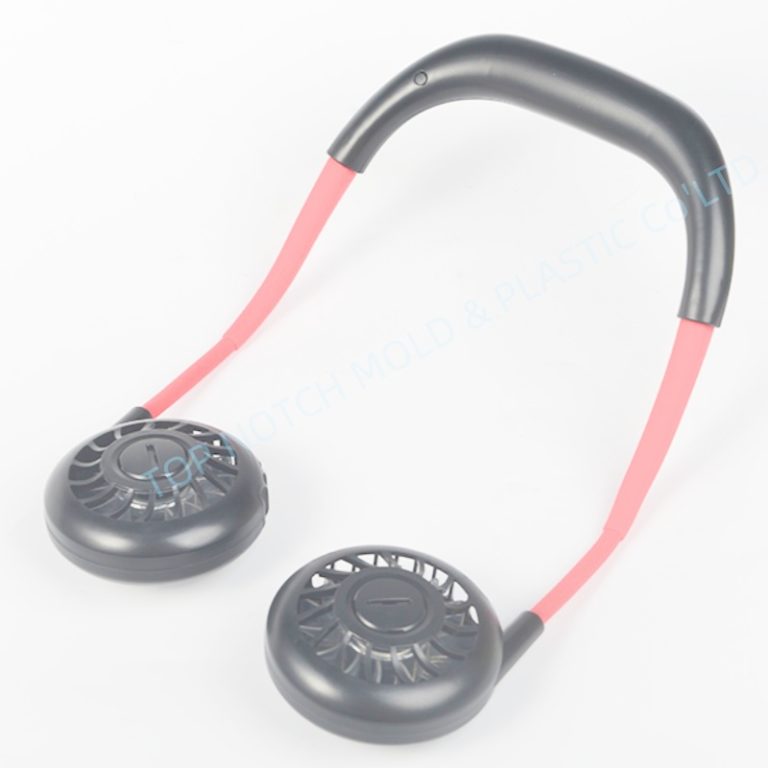
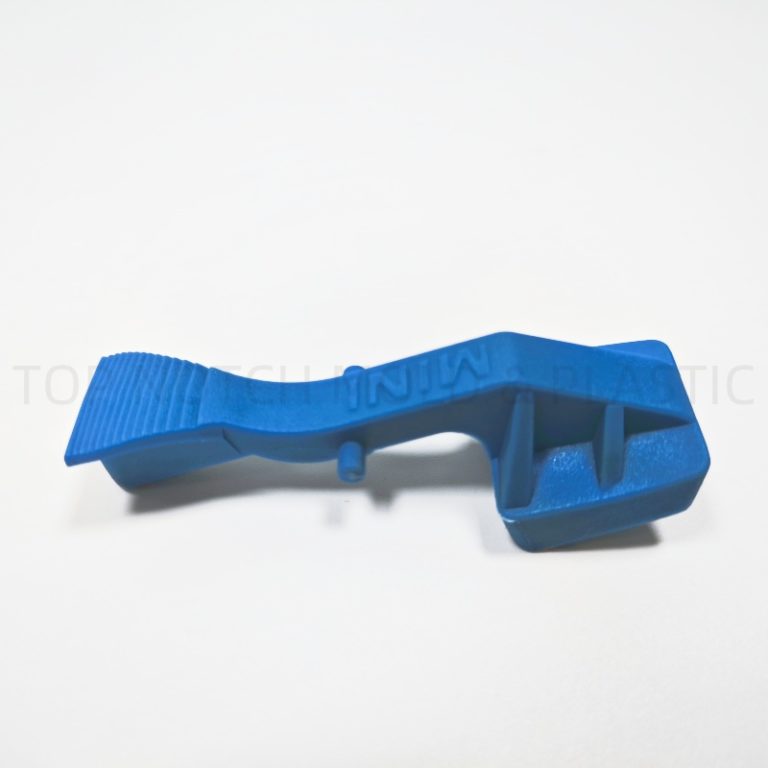
Photos de pièces en plastique, Dispositifs médicaux Moulage par injection plastique, Moule d’injection d’écouteurs tour de cou, tour de cou écouteurs moule en plastique, Écouteurs tour de cou, moules de casque Bluetooth pour le cou, moule en plastique, moule d’injection plastique
ENVOYER UNE DEMANDE
Produits connexes
© 2025 www.tpi-mould.com. All rights reserved by Top Notch Mold & Tool Co'Ltd
Alimenté par Wpboss