
WhatsApp/Wechat:86-138-2878-1334


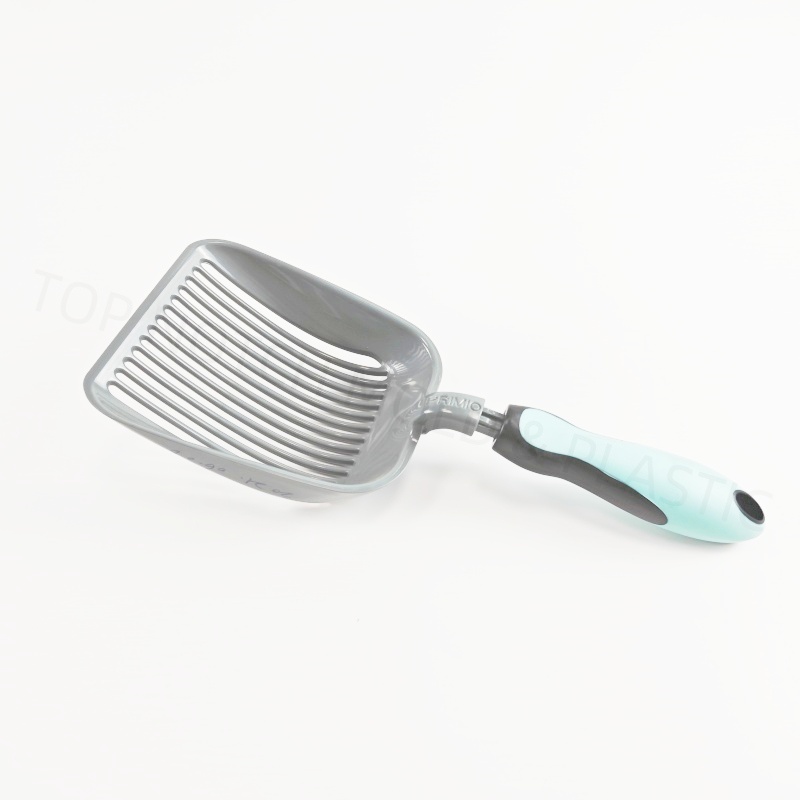
Plastic Animal Pet Products in Injection Mold
Description du moule
|
Nom
|
Moule à induction plastique |
| Matériau du moule | P20, NAK80, SKD11, S316, S50C,S45C,718H,718 ,1.2344, Per customer's requirement |
| Base du moule | LKM, HASCO, DME or Per customer's requirement |
| Type de moule en plastique | 3-moule à plaque,2-moule à plaque |
| Cavité | Simple/Multi cavité ,1*1,1+1,1*2,1+1+1,etc |
| Position de la porte | Porte du ventilateur,Sous-porte,Porte à point d’épingle,Vanne à canal chaud,Ouvrez Nozzel |
| Système d’éjection | Plaque de décapage,Lifter,Barre de poussée,Goupille d’éjection, etc. |
| Coureur | Type chaud/froid |
| Matériau en résine plastique | ABS+PC,PEHD, PP, nylon, REGARDER, PEBD, ABS, styrène, acrylique, acétal, PE, PTFE, PEI, et PES |
| Durée de vie du moule | 300,000-500,000-1,000,000 Coups |
| Delai | 25-35 jours après la réception du dépôt et l’approbation de la conception du moule par le client |
| Spécification | Suivez le dessin final en 3D |
| Détails de l’emballage |
Revêtement avec un film antirouille et emballé avec une caisse en bois
|
Détails de la production des pièces
| Matériau du produit | ABS,COMME,PP,PPS,PC,PE,POM,Le PMMA,PS,PEHD,TPE,TPU, etc. |
| Finition de surface | Finition de polissage,Finition texturée,Finition brillante,Peinture,Imprimé Slik,Peinture en caoutchouc, etc. |
| MOQ | 500 PC |
| Détails de l’emballage | Carton box or wooden Case upon product weight and customer's requirements. |
| Livraison | Par voie maritime ,En train ,ou par voie aérienne selon les besoins du client |
| Pays d’exportation | Janpan,Europe,ÉTATS-UNIS,Mexique,Australie,Moyen-Orient,Corée,l’Asie, etc. |
| Typique utilisé pour | Boîtiers, Conteneurs, Casquettes, raccords,y compris comme ci-dessous Boîtier d’outil électrique, Rasoirs jetables, Interrupteurs électriques,Caisses/Boîtes de recyclageTableaux de bord automobiles,Meubles de télévision,Unités d’inhalation de drogues,Pare-chocs automobiles,Poubelles à roulettes ,Seringues,Combinés téléphoniques ,Bols à vaisselle,Les DVD,Couvercles/fermetures de bouteilles,Boîtiers de batterie |
| Gamme de marchés | Électronique grand public,Produits industriels, , Traitement des aliments, aviation, Joints/joints d’étanchéité, éclairage, emballage, filtre,Santé, télécommunication, mécanique, traitement de l’eau, appareil, récréation,pelouse et jardin, éducatif, Pétrole et gaz, gouvernement, construction,plomberie, surveillance, Pompes, marin, Moteurs, Engrenages, Étiquettes RFID, électronique,et fixations. |
- Description
Plastic Animal Pet Products in Injection Mold: Precision and Innovation for Modern Pet Care
The pet industry has seen remarkable growth in recent years, with pet owners increasingly seeking high-quality, durable, and innovative products for their animals. From feeders and toys to grooming tools and accessories, plastic components have become a central part of pet products. Among the manufacturing techniques used, Moulage par injection plastique has emerged as a versatile and cost-effective method for producing high-precision, consistent, and aesthetically appealing animal pet products.
Understanding Plastic Injection Molding for Pet Products
Plastic injection molding is a process in which molten thermoplastic material is injected into a pre-designed mold cavity, cooled, and solidified to form precise and repeatable parts. This manufacturing method allows the creation of complex shapes, intricate designs, and durable components suitable for the unique requirements of pet products.
The process begins with material selection, where thermoplastics are chosen based on strength, durability, safety, and environmental considerations. Common materials for pet products include polypropylene (PP), polyethylene (PE), ABS (Acrylonitrile Butadiene Styrene), and TPE (Thermoplastic Elastomer). These materials are non-toxic, lightweight, impact-resistant, and easy to clean, making them ideal for items that pets interact with frequently.
Once materials are selected, molds are designed using CAD and CAE software to ensure precise dimensions, optimal flow, and consistent production quality. Modern injection molds often feature multi-cavity designs, cooling channels, and ejection mechanisms tailored to specific pet product geometries.
Applications of Plastic Injection Molding in Pet Products
Plastic injection molding is widely used in the production of animal pet products, offering the flexibility to create both functional and decorative components. Key applications include:
- Pet Feeders and Water Bowls
- Molded in durable plastics, these items are lightweight, easy to clean, and resistant to chewing or scratching.
- Injection molding allows for smooth surfaces, integrated measurement markings, or anti-slip features.
- Pet Toys
- Chew toys, interactive toys, and floating toys can be manufactured with intricate designs and vibrant colors.
- Soft-touch plastics like TPE are commonly overmolded to provide safe, flexible chewing surfaces for pets.
- Pet Carriers and Accessories
- Plastic components such as handles, latches, and frames for carriers, crates, and bedding are injection molded for strength and durability.
- Ergonomic design and precise fit ensure safe transport for pets.
- Grooming Tools and Hygiene Products
- Brushes, combs, nail clippers, and scoops can be produced with durable plastic handles and housings.
- Molded designs allow for comfortable grips and integrated storage features.
- Pet Furniture Components
- Parts for plastic pet houses, scratching posts, and climbing structures benefit from precise molding to ensure stability and durability.
- Multi-material molding allows soft-touch or decorative surfaces alongside rigid structural elements.
Advantages of Injection Molded Plastic Pet Products
- Durability and Safety
- Molded plastics are resistant to impact, wear, and environmental factors such as moisture and UV exposure.
- Non-toxic materials ensure pet safety, a crucial consideration in all pet products.
- Complex and Precise Designs
- Injection molding allows for the creation of intricate shapes, textures, and ergonomic features that enhance functionality and user experience.
- From textured chew surfaces to multi-part assemblies, molded designs reduce the need for secondary operations.
- High-Volume Production
- Once molds are fabricated, hundreds or thousands of identical components can be produced efficiently.
- This scalability makes injection molding cost-effective for mass production while maintaining high quality.
- Customizable Aesthetics
- Molded plastics can be colored, textured, or printed to match branding or appeal to consumers.
- Multi-material and overmolding techniques allow soft-touch grips or flexible elements to be integrated seamlessly.
- Reduced Waste and Sustainability
- Optimized mold design reduces material waste during production.
- Many manufacturers now incorporate recycled plastics or environmentally friendly resins, supporting sustainable product development.
Key Considerations in Mold Design for Pet Products
Designing molds for pet products requires careful consideration of functionality, durability, and safety:
- Wall Thickness and Structural Integrity
- Uniform wall thickness prevents warping, cracking, or weak points, especially for chewable items or structural components.
- Surface Finish
- Smooth surfaces prevent dirt buildup and are easier to clean, while textured areas enhance grip or pet interaction.
- Cooling and Cycle Time
- Efficient cooling channels ensure consistent part dimensions and minimize production time, maintaining high-volume efficiency.
- Overmolding and Multi-Material Design
- Soft plastics can be overmolded on rigid cores to create ergonomic grips, safe chewing surfaces, or visually appealing accents.
- Safety Compliance
- Materials must meet regulations for pet safety, including non-toxicity, durability, and chemical resistance.
Trends in Plastic Injection Molded Pet Products
The pet product industry continues to evolve with new design and manufacturing trends:
- Interactive and Smart Toys
- Incorporating electronics or sensors into molded components for interactive play.
- Eco-Friendly Materials
- Growing demand for recycled plastics, biodegradable polymers, and reduced environmental impact in production.
- Ergonomic and Functional Designs
- Focus on user comfort, ease of cleaning, and pet interaction.
- Color and Aesthetic Innovation
- Vibrant, multi-colored products are possible through co-injection molding or overmolding techniques.
Conclusion
Plastic injection molding has become an essential technique for producing high-quality, safe, and durable animal pet products. From feeders and toys to carriers and grooming tools, molded plastic components offer precision, consistency, and flexibility that meet the evolving needs of pets and their owners.
Through advanced mold design, careful material selection, and efficient production processes, manufacturers can create innovative products that combine functionality, aesthetics, and durability. As the pet industry continues to expand, injection-molded plastic products will remain a cornerstone of modern pet care, delivering high-quality solutions for pets worldwide while ensuring safety, comfort, and long-lasting performance.
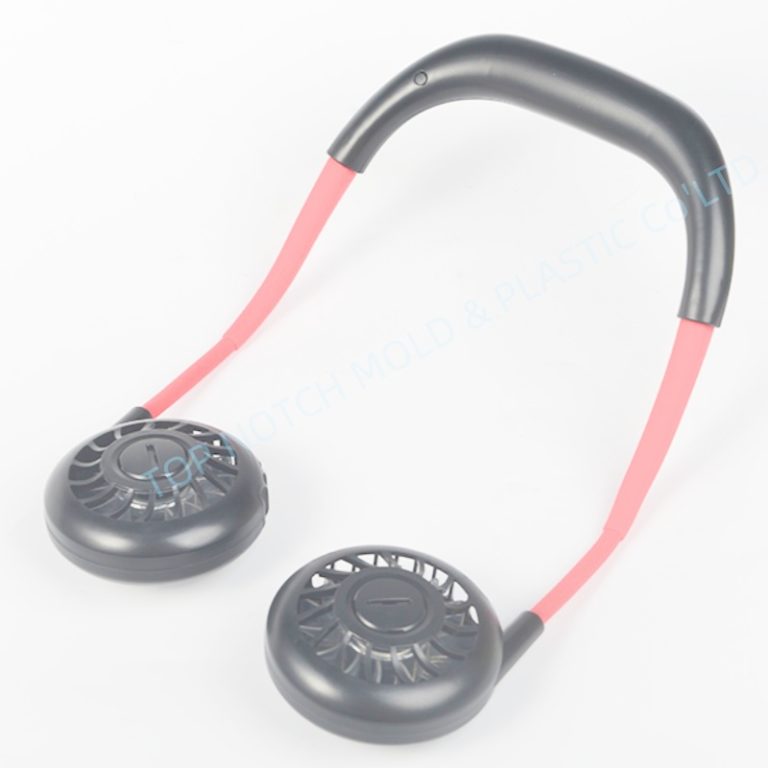
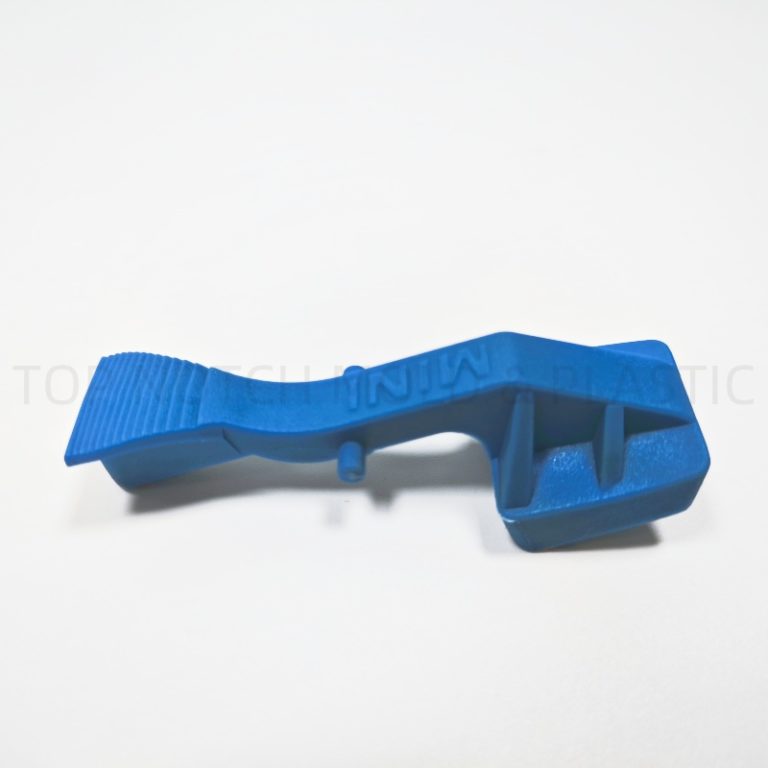
Photos de pièces en plastique, Produits pour animaux de compagnie Moulage par injection plastique, Moule d’injection d’écouteurs tour de cou, tour de cou écouteurs moule en plastique, Écouteurs tour de cou, moules de casque Bluetooth pour le cou, moule en plastique, moule d’injection plastique
ENVOYER UNE DEMANDE
Produits connexes
© 2025 www.tpi-mould.com. All rights reserved by Top Notch Mold & Tool Co'Ltd
Alimenté par Wpboss