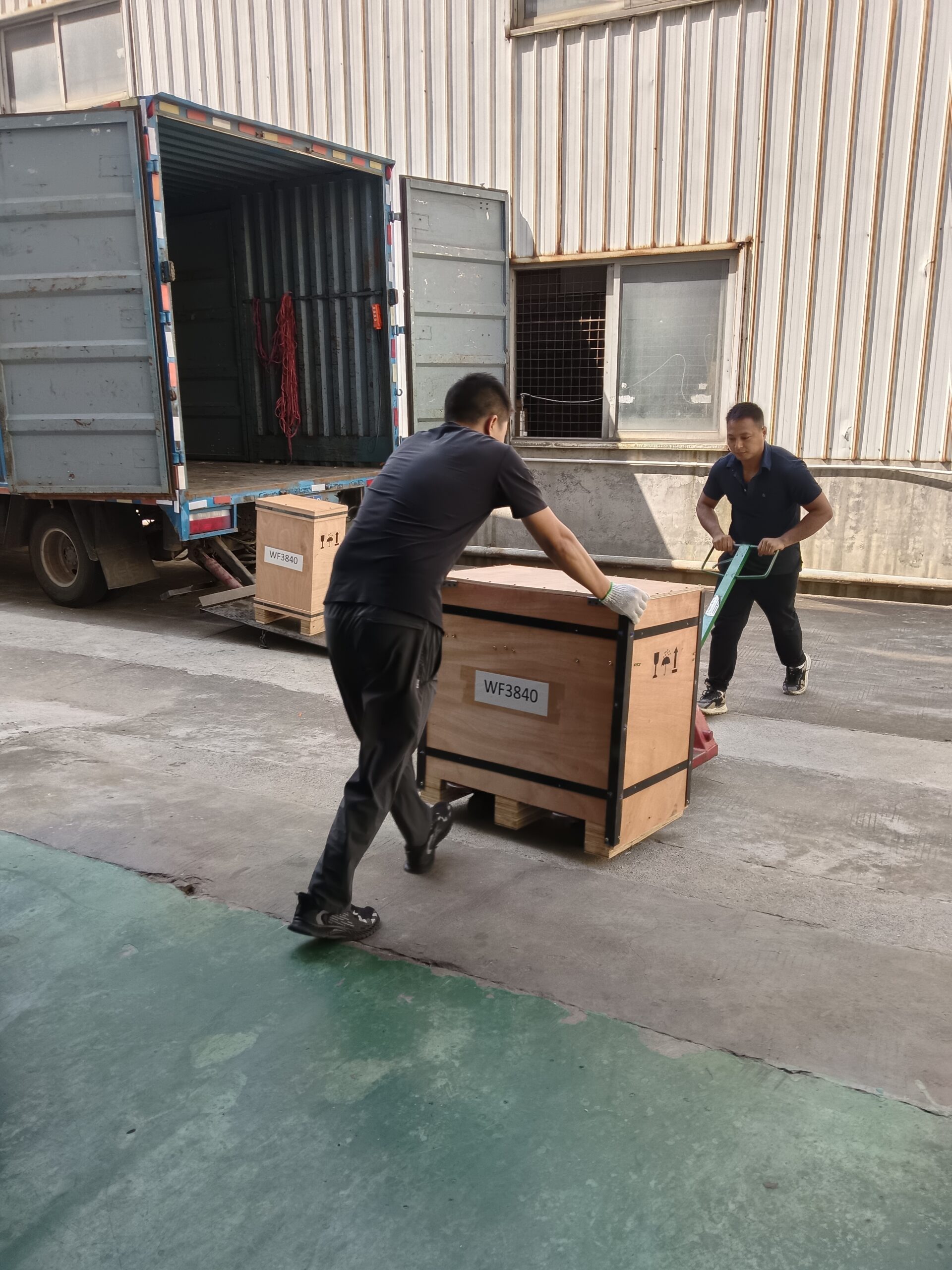
Plastic Injection Mold Delivery: Ensuring Timely and Accurate Delivery in Plastic Manufacturing
Injection molding is one of the most widely used manufacturing processes for producing high-quality plastic parts efficiently. However, the delivery of injection molds is a critical stage that can significantly impact project timelines, costs, and overall customer satisfaction. Whether you are producing a single prototype mold or a multi-cavity high-volume production mold, understanding the delivery process, its challenges, and best practices is essential for both mold manufacturers and their clients.
Injection mold delivery refers to the process of manufacturing, quality checking, and transporting an injection mold from the mold manufacturer to the customer or production site. This includes all steps from finalizing mold design, fabrication, assembly, testing, and shipping. The goal is to ensure that the mold reaches the client on time, fully functional, and ready for production.
Delivery is more than just shipping a mold—it is an assurance that the mold meets the design specifications, functional requirements, and safety standards agreed upon in the contract. For complex molds, such as multi-cavity molds or molds with hot runner systems, careful handling and precise timing are especially important.
2. Steps in Injection Mold Delivery
a. Design and Approval
The delivery process begins with the final design approval. This involves reviewing:
- 3D CAD models
- Material selection
- Tolerances and critical dimensions
- Mold type (single-cavity, mit mehreren Kavitäten, family mold)
- Runner and gate design
- Cooling system layout
Clients often approve prototype mold samples or 3D printed models before full-scale mold fabrication begins. Any delay in design approval can directly affect the delivery schedule.
b. Mold Fabrication
Once approved, the mold enters the manufacturing stage, which may include:
- CNC machining of mold components
- EDM (Electrical Discharge Machining) for precision cavities
- Polishing, coating, or surface treatment
- Assembly of mold components, including ejector systems, slides, and lifters
Mold fabrication timelines vary depending on mold complexity. A simple single-cavity mold might take 2-4 weeks, while a complex multi-cavity or family mold can take 6-12 weeks or more.
c. Mold Testing (Trial Runs)
Before delivery, molds are typically trialed in an injection molding machine to ensure:
- Proper plastic flow and cavity filling
- Correct part dimensions and tolerances
- Functionality of ejector pins and slides
- Cooling efficiency and cycle time optimization
Trial runs allow manufacturers to identify and correct potential issues before shipping. Any adjustments made at this stage are crucial to prevent costly delays in production.
d. Quality Inspection
A thorough quality inspection ensures the mold meets customer specifications and international standards. Key checks include:
- Dimensional accuracy using calipers, CMM (Coordinate Measuring Machines), or laser scanning
- Surface finish and polish
- Alignment of cores and cavities
- Proper function of the runner, gates, and ejection system
Inspection reports are often shared with the client as part of the delivery documentation.
e. Verpackung
Injection molds are heavy and often delicate, requiring careful packaging to prevent damage during transport. Standard practices include:
- Wrapping molds in protective film to prevent corrosion
- Using wooden crates or pallets for safe transport
- Adding shock-absorbing materials to minimize impact
- Clearly labeling weight, handling instructions, and fragile areas
Proper packaging ensures the mold arrives ready for installation without risk of damage.
f. Shipping and Logistics
The final step is transportation, which may involve:
- Domestic delivery by truck
- International shipping by sea or air
- Coordination with customs for import/export documentation
- Insurance coverage for high-value molds
Timely delivery depends on choosing reliable logistics partners and planning for potential delays, such as customs clearance or port congestion.
3. Challenges in Injection Mold Delivery
Despite careful planning, several challenges can arise:
- Complex Mold Designs – Multi-cavity molds or molds with intricate features require extra care and longer testing.
- Delays in Approval – Late design approvals or change requests can postpone the delivery schedule.
- Quality Issues – Defects discovered after trial runs can lead to rework and extended timelines.
- Logistics Risks – Mold damage, shipping delays, or customs issues can affect delivery.
- Communication Gaps – Misunderstandings between the manufacturer and client can lead to incorrect specifications or missed deadlines.
4. Best Practices for Successful Mold Delivery
To ensure smooth and timely delivery, manufacturers and clients should follow these best practices:
- Clear Design Documentation: Provide detailed CAD drawings, material specifications, and tolerances.
- Trial Runs and Sampling: Conduct pre-delivery tests to identify defects early.
- Regular Updates: Maintain open communication with clients regarding production status.
- Professional Packaging: Use corrosion-resistant materials, cushioning, and secure crating.
- Reliable Logistics: Partner with experienced carriers and provide insurance coverage.
- Documentation: Include inspection reports, maintenance instructions, and warranty details.
By following these practices, the risk of mold damage, delays, or production issues can be minimized.
5. Importance of Timely Mold Delivery
The timely delivery of an injection mold is critical to the overall manufacturing schedule. Any delay in receiving the mold can:
- Postpone product launches
- Increase production costs
- Disrupt supply chains
- Impact customer satisfaction
For industries like automotive, medical devices, and consumer electronics, where production schedules are tightly planned, ensuring on-time mold delivery is essential for business success.
Conclusion
Injection mold delivery is a complex process that goes far beyond shipping a heavy piece of equipment. It involves careful design approval, precise manufacturing, trial testing, quality inspection, secure packaging, and reliable logistics. A successful delivery ensures that the mold arrives on time, fully functional, and ready for production, directly influencing product quality, production efficiency, and customer satisfaction.
Manufacturers who prioritize meticulous planning, quality control, and communication can reduce risks, minimize delays, and strengthen client relationships, making injection mold delivery a vital part of the plastic manufacturing process.